Verified
My ankle swelling reduced during the first few weeks. I still needed blood tests, and the increased urination was inconvenient when I took it late in the day.
18 Oct 2026

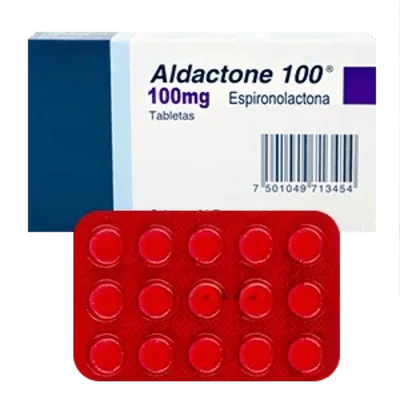
Aldactone is an oral spironolactone medicine for adults with fluid retention, high blood pressure, heart failure, or selected hormone-related conditions. It helps the kidneys remove excess sodium and water while conserving potassium by blocking aldosterone.
Aldactone contains spironolactone, a potassium-sparing diuretic and aldosterone antagonist. It is prescribed for adults with fluid retention, hypertension, heart failure, primary hyperaldosteronism, and selected hormone-related conditions. By blocking aldosterone, spironolactone helps the kidneys remove sodium and water while reducing potassium loss.
Aldactone is an oral tablet containing spironolactone. The dose is stated on the pack — follow the leaflet. Spironolactone belongs to two related groups: potassium-sparing diuretics and aldosterone antagonists.
Aldosterone is a hormone produced by the adrenal glands. It signals the kidneys to retain sodium and water while excreting potassium. Spironolactone blocks aldosterone receptors, so the kidneys excrete more sodium and water and retain more potassium [1].
Potassium retention can benefit people who lose potassium with other diuretics. It can also create a serious risk when kidney function is reduced or when other potassium-raising medicines are used.
The prescribed strength depends on the condition being treated, kidney function, age, potassium level, blood pressure, and concurrent medicines. The dose is stated on the pack — follow the leaflet. A strength suitable for one indication may be unsuitable for another.
The mechanism follows a clear sequence:
The effect is not limited to urine volume. Blood pressure, body weight, swelling, kidney function, and serum potassium all influence whether treatment is working safely.
The dose selected by a clinician depends on the indication, age, kidney function, serum potassium, blood pressure, and other medicines. The dose is stated on the pack — follow the leaflet.
If a dose is missed, take it when remembered unless the next dose is due soon. In that situation, skip the missed dose and resume the regular schedule. Taking two doses together can increase dizziness, dehydration, and potassium-related risk.
Blood tests commonly include serum potassium and creatinine. Creatinine helps estimate kidney function. The timing of testing depends on the patient’s condition, dose changes, kidney health, and interacting medicines. Results should be interpreted alongside blood pressure, fluid status, and symptoms. Unexpected changes should prompt contact with the prescribing clinician.
Spironolactone is an aldosterone antagonist that blocks aldosterone receptors in the kidneys. This reduces sodium reabsorption and potassium secretion, causing water to follow sodium into the urine while potassium is retained. Its anti-androgenic effects reduce the action of androgens on certain tissues.
Aldactone may be prescribed for edema, hypertension, heart failure, congestive heart failure, and primary hyperaldosteronism. The correct indication matters because the dose, treatment duration, and monitoring plan vary between conditions.
| Condition | Treatment purpose | Clinical monitoring |
|---|---|---|
| Edema or heart failure | Reduce excess fluid and swelling | Weight, breathlessness, kidney function, potassium |
| Hypertension | Support blood-pressure control | Blood pressure, kidney function, potassium |
| Primary hyperaldosteronism | Block excess aldosterone effects | Hormone assessment, potassium, kidney function |
Edema means abnormal fluid accumulation in tissues. It may occur with heart failure, liver disease, kidney disease, or excess aldosterone. Aldactone can reduce fluid retention, but it does not correct every cause of edema.
Worsening breathlessness, sudden weight gain, rapidly increasing ankle swelling, chest discomfort, or fainting needs prompt medical assessment. A reduction in urination is not automatically a sign of treatment failure, and increased urination alone does not prove that the underlying condition is controlled.
Spironolactone can help lower blood pressure when aldosterone contributes to sodium retention. It may be used alone in selected situations or alongside other antihypertensive treatment. Blood-pressure response and potassium levels require follow-up.
Some patients feel no immediate change even when blood pressure is improving. Home readings can help a clinician assess the response, but treatment changes should be based on a pattern of readings rather than one isolated measurement.
Primary hyperaldosteronism, also called Conn’s syndrome, occurs when the adrenal glands produce too much aldosterone. The result may include hypertension and low potassium, though laboratory findings vary.
Diagnosis may involve hormone testing, imaging, and specialist assessment. Treatment depends on whether the cause is related to one adrenal gland, both glands, or another medical factor. Spironolactone blocks aldosterone effects but does not replace the diagnostic investigation.
Spironolactone also has anti-androgenic effects. Clinicians may prescribe it for selected patients with acne, hirsutism, or symptoms associated with polycystic ovary syndrome (PCOS). These uses may be outside the approved indication in some jurisdictions, so the treatment plan must be individualised.
Spironolactone can reduce the effect of androgens on certain tissues. Improvement in acne or unwanted facial hair is gradual and may take several weeks or months. Urine output is not a useful measure of whether a dermatological regimen is helping.
PCOS can involve irregular periods, acne, excess facial hair, insulin resistance, and other hormonal features. Spironolactone addresses some androgen-related symptoms but does not treat every feature of PCOS.
Spironolactone and eplerenone are aldosterone antagonists. Both can reduce aldosterone-mediated sodium retention and require attention to potassium and kidney function.
| Medicine | Pharmacological profile | Common selection factors |
|---|---|---|
| Spironolactone | Aldosterone blockade with anti-androgenic activity | Fluid disorders, heart failure, hyperaldosteronism, selected hormonal conditions |
| Eplerenone | More selective aldosterone receptor blockade | Heart failure or hypertension when fewer hormonal effects are preferred |
Eplerenone may cause fewer anti-androgenic effects, such as breast tenderness or menstrual changes, because it is more selective. Spironolactone may be selected when its broader hormonal action is clinically useful.
Neither medicine is suitable for every patient. Kidney function, potassium, treatment indication, previous adverse effects, local prescribing guidance, and other medicines influence the choice. Switching between them requires a planned medical review.
It should not be used without medical assessment in people with:
ACE inhibitors and ARBs can increase potassium when combined with spironolactone. Ciclosporin can also raise potassium and affect kidney function. Potassium tablets and potassium-containing salt substitutes are easy to overlook during medication reviews.
Aldactone may not be right for you if you have unstable kidney function, high potassium, reduced urine production, Addison’s disease, or a serious allergy to spironolactone. Tell your clinician if you take ACE inhibitors, ARBs, ciclosporin, potassium tablets, or potassium-based salt substitutes, because these combinations can be unsafe. Pregnancy and breastfeeding also need individual medical advice, particularly when spironolactone is used for acne, hirsutism, or PCOS.
Spironolactone is useful for fluid and aldosterone-related conditions, yet potassium retention creates a distinct safety concern. Common unwanted effects include increased urination, dizziness, stomach upset, nausea, breast tenderness, menstrual changes, fatigue, and headache.
Side effects can be more noticeable after starting treatment or increasing the dose. Persistent vomiting, diarrhoea, poor fluid intake, or heavy sweating can increase the risk of dehydration and kidney stress.
Increased urination is expected from a diuretic, but severe dizziness or faintness may indicate excessive fluid loss or low blood pressure. Breast tenderness and menstrual changes relate to spironolactone’s hormonal activity.
A mild stomach upset may improve when the tablet is taken with food, if this fits the prescribed instructions. Do not change the dose to manage side effects without a clinician-led review.
Hyperkalaemia means an abnormally high potassium level in the blood. It may cause muscle weakness, unusual heaviness in the limbs, palpitations, tingling, confusion, or fainting. Severe symptoms require urgent medical attention.
Kidney function deterioration can reduce potassium elimination. The risk rises with dehydration, kidney disease, potassium supplements, potassium-containing salt substitutes, ACE inhibitors, angiotensin II receptor antagonists, and ciclosporin.
A potassium-sparing diuretic does not prevent every electrolyte problem. Sodium, fluid balance, kidney function, and potassium can change together.
Spironolactone has anti-androgenic activity and requires careful consideration during pregnancy. Treatment for acne, hirsutism, or PCOS should include a clear pregnancy-prevention plan when clinically appropriate.
Breastfeeding decisions depend on the indication, dose, infant factors, and local product information. Hormonal side effects can be more troublesome when spironolactone is combined with other medicines that affect reproductive hormones.
In clinical practice, doctors assess more than urine volume. A patient may urinate more without achieving adequate blood-pressure control, while another may experience a useful reduction in fluid congestion without dramatic changes in daily urine output.
A clinician usually reviews:
A useful prescribing principle is to start with the indication and risk profile, then select the dose and monitoring schedule. Aldactone should not be judged by one day of symptoms.
Aldactone contains spironolactone and is used for conditions involving fluid retention, hypertension, heart failure, and excess aldosterone. It may also be prescribed for selected hormone-related conditions, including acne, hirsutism, or PCOS. FDA prescribing information available in 2023 describes spironolactone’s diuretic and aldosterone-blocking uses.
Aldactone can raise potassium because spironolactone reduces potassium excretion in the kidneys. The risk is greater with kidney impairment, dehydration, ACE inhibitors, ARBs, ciclosporin, potassium supplements, and potassium-based salt substitutes. WHO medication-safety guidance published in 2021 supports medication review and laboratory monitoring when potassium-affecting medicines are combined.
Spironolactone’s anti-androgenic activity may help selected patients with acne, hirsutism, or PCOS-related symptoms. Improvement often takes weeks or months, and menstrual changes or breast tenderness may occur. The European Medicines Agency information current before 2026 supports careful consideration of pregnancy and hormonal safety when anti-androgenic treatment is used.
Take the missed tablet when remembered unless the next scheduled dose is close. Skip it when the next dose is due soon, then continue the regular schedule; do not take two doses together. NICE guidance on medicines for heart failure, published in 2018, emphasises planned dosing and monitoring when mineralocorticoid receptor antagonists are used.
Serum potassium and creatinine are commonly monitored because spironolactone affects potassium handling and kidney-related fluid regulation. Blood pressure, body weight, swelling, and symptoms also help assess the response. A 1999 clinical trial published in the New England Journal of Medicine demonstrated the importance of monitoring mineralocorticoid receptor antagonist treatment in heart failure.
The combination can be prescribed in selected patients, but ACE inhibitors and ARBs may increase the risk of high potassium or worsening kidney function when used with spironolactone. The regimen requires clinician-led review and blood-test monitoring. FDA prescribing information from 2023 advises reviewing concomitant medicines, supplements, and potassium-containing products.
Both medicines block aldosterone receptors, yet eplerenone is more selective and may cause fewer anti-androgenic effects. Spironolactone may be preferred when its broader hormonal activity is useful or when the indication supports it. Kidney function, potassium, heart-failure status, prior side effects, and local prescribing guidance determine the suitable option. NICE guidance published in 2018 discusses mineralocorticoid receptor antagonist treatment and monitoring in heart failure.
Your order will be securely packed and shipped within 24 hours. This is exactly what your package will look like (images of an actual item sent). It has the size and look of a regular private letter (24x11x0.7 cm) and its contents cannot be seen.
My ankle swelling reduced during the first few weeks. I still needed blood tests, and the increased urination was inconvenient when I took it late in the day.
The medicine was added for heart failure. My weight became steadier, but I felt light-headed after the dose was increased. The treatment plan was adjusted after a blood-pressure review.
I used spironolactone for hormonal acne. My skin improved slowly rather than immediately. Breast tenderness and irregular periods were the main drawbacks.
The tablets were easy to take in the morning. I missed one dose and took it at bedtime, which caused a poor night’s sleep, so I returned to the usual schedule.