Verified
My knee stiffness eased enough for me to walk after work. I still needed exercises, and the tablets did not remove every painful day.
24 Oct 2026

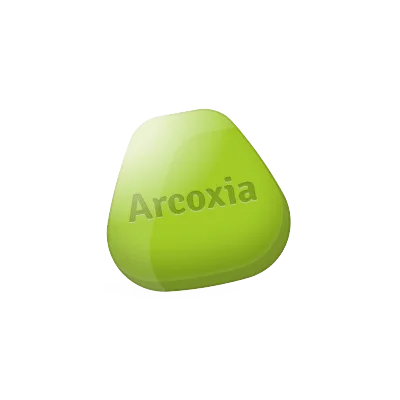
Arcoxia is a prescription anti-inflammatory medicine for adults with painful joint and musculoskeletal conditions. It can help reduce inflammation and pain by selectively blocking COX-2 enzymes.
Arcoxia is a prescription anti-inflammatory tablet for adults with painful joint and musculoskeletal conditions. It is used for osteoarthritis, rheumatoid arthritis, and acute gout. Its active ingredient, etoricoxib, selectively blocks COX-2 enzymes involved in inflammation and pain.
Arcoxia contains the active ingredient etoricoxib. It is a prescription anti-inflammatory tablet for adults. Etoricoxib selectively blocks COX-2 enzymes involved in inflammation and pain. The prescribed strength depends on the condition and clinical assessment; exact composition and tablet details are stated on the pack.
The prescribed dose depends on the condition, symptom severity, age, kidney and liver function, cardiovascular risk, and duration of treatment. The appropriate strength is selected by the prescriber; osteoarthritis, rheumatoid arthritis, ankylosing spondylitis, acute gout, and dental pain do not all use the same regimen.
Arcoxia tablets should be swallowed whole. Crushing or chewing can make administration less predictable and is unnecessary for this dosage form. A patient who cannot swallow tablets should obtain a suitable alternative rather than altering the tablet independently.
Treatment duration matters. A short course for acute gout or dental pain is different from ongoing treatment for chronic arthritis. Repeated self-treatment can conceal worsening disease and increases exposure to NSAID-related complications.
Arcoxia contains etoricoxib, a selective cyclooxygenase-2 inhibitor. Etoricoxib reduces the production of prostaglandins, chemical messengers that contribute to pain, swelling, warmth, and restricted joint movement.
COX-2 becomes more active during inflammation. By reducing COX-2 activity, etoricoxib can lessen inflammatory pain without inhibiting COX-1 to the same degree as many traditional non-steroidal anti-inflammatory drugs. COX-1 supports several normal functions, including protection of the stomach lining and platelet activity. Selective COX-2 inhibition does not remove gastrointestinal or cardiovascular risk, so the lowest suitable dose is generally used for the shortest clinically appropriate period. [1]
The main pharmacological effects of etoricoxib include:
Arcoxia does not remove uric acid crystals from a joint. During gout, it suppresses the inflammatory response caused by those crystals while the flare is active. Long-term urate-lowering treatment addresses a different part of gout management.
Arcoxia is prescribed for adults with inflammatory or degenerative musculoskeletal conditions. Its licensed uses include osteoarthritis, rheumatoid arthritis, ankylosing spondylitis, acute gouty arthritis, and short-term pain after certain dental procedures, depending on the applicable product information and clinical assessment.
Osteoarthritis develops through structural changes in cartilage, bone, and surrounding tissues. Pain often increases with movement, while stiffness may be more noticeable after rest. Arcoxia can reduce the inflammatory component of osteoarthritis symptoms, although it does not rebuild damaged cartilage.
Rheumatoid arthritis is an autoimmune inflammatory disease. The immune system attacks joint tissues, which can cause prolonged morning stiffness, swelling, fatigue, and progressive joint damage. Arcoxia may relieve pain and inflammation, but it does not replace disease-modifying antirheumatic treatment prescribed to control the underlying immune process.
| Condition | Typical clinical pattern | Role of Arcoxia |
|---|---|---|
| Osteoarthritis | Activity-related joint pain and stiffness | Symptom relief during painful periods |
| Rheumatoid arthritis | Persistent inflammatory swelling and morning stiffness | Relief of pain and inflammation alongside disease-modifying treatment |
| Acute gout | Sudden severe pain, swelling, redness, and heat in one or more joints | Short-term reduction of flare-related inflammation |
A doctor may assess blood pressure, kidney function, gastrointestinal history, cardiovascular risk, and other medicines before choosing etoricoxib. The same assessment applies when treatment is being considered for an acute gout attack.
Gout attacks often develop rapidly, with intense pain and swelling. The big toe is common, though the ankle, knee, midfoot, or other joints can also be affected. Treatment works best when started promptly after symptoms begin.
Arcoxia may be prescribed for the short course selected by the clinician. Acute gout treatment should not be continued longer than directed because higher anti-inflammatory doses can carry greater cardiovascular, kidney, and blood-pressure risks.
Arcoxia belongs to the selective COX-2 inhibitor group. The U.S. Food and Drug Administration (FDA) provides labeling information on NSAID cardiovascular and gastrointestinal risks. Other anti-inflammatory approaches may work through broader COX inhibition, local application, corticosteroid treatment, or disease-modifying immune control.
| Treatment approach | Main pharmacological focus | Typical clinical role |
|---|---|---|
| Selective COX-2 inhibition | Reduces COX-2-mediated prostaglandin production | Inflammatory joint pain and acute gout when prescribed |
| Non-selective NSAID therapy | Inhibits COX-1 and COX-2 to varying degrees | Pain and inflammation across several conditions |
| Disease-modifying treatment | Alters the disease process rather than only pain signalling | Long-term control of rheumatoid arthritis |
Arcoxia may be selected when an oral anti-inflammatory is appropriate and a clinician wants selective COX-2 activity. It still carries important cardiovascular, kidney, blood-pressure, and gastrointestinal risks. A non-selective NSAID may be preferable in some patients, while topical treatment may be more suitable when symptoms are limited to one superficial joint.
For rheumatoid arthritis, symptom relief alone is insufficient to prevent joint damage. Disease-modifying treatment, monitoring, and rehabilitation remain central to long-term care. The choice depends on the diagnosis, comorbidities, previous response, and concurrent medicines.
Arcoxia is not suitable for everyone. It should not be used in people with specific cardiovascular, gastrointestinal, kidney, liver, allergic, or pregnancy-related risks.
The cardiovascular concern relates to prostaglandin effects on blood vessels, kidney salt handling, and blood pressure. The risk can increase with prolonged treatment or higher doses. Etoricoxib should be reviewed carefully in people with diabetes, high cholesterol, smoking history, or previous vascular disease.
Drug interactions also require attention. Arcoxia can reduce the blood-pressure-lowering effect of ACE inhibitors, angiotensin-receptor blockers, and some diuretics. It may increase kidney stress when combined with medicines that affect renal blood flow. Warfarin and other anticoagulants require careful clinical monitoring because gastrointestinal bleeding risk can increase.
Lithium levels may rise with NSAID treatment. Methotrexate toxicity is a concern in selected treatment regimens. Ciclosporin and tacrolimus can add kidney risk. Aspirin may increase gastrointestinal complications even when Arcoxia is used for a different cardiovascular purpose.
Arcoxia may not be suitable if you have heart or circulation problems, uncontrolled high blood pressure, stomach ulcer or bleeding, serious kidney or liver disease, an NSAID allergy, or are pregnant. Tell the prescriber if you take anticoagulants, blood-pressure medicines, diuretics, lithium, methotrexate, ciclosporin, tacrolimus, or regular aspirin.
Common adverse effects can include stomach discomfort, indigestion, nausea, diarrhoea, headache, dizziness, fatigue, ankle swelling, and increased blood pressure. Some people tolerate etoricoxib without difficulty, while others notice symptoms early in treatment.
Possible serious reactions include:
Stop-and-seek-urgent-care symptoms require prompt assessment rather than another dose while waiting for symptoms to pass. Cardiovascular events associated with NSAIDs become more concerning with higher doses, longer exposure, hypertension, smoking, diabetes, high cholesterol, or established vascular disease.
One practical detail is easy to miss: ankle swelling may appear gradually and can be mistaken for ordinary inactivity. New swelling deserves attention, especially when it occurs with breathlessness or rapid weight gain.
Another common issue is a rise in blood pressure without obvious symptoms. Blood pressure monitoring is useful when Arcoxia is started or continued in someone with hypertension.
Several habits can reduce benefit or increase harm:
A missed dose should not be replaced with two tablets together. If repeated doses are missed, the treatment schedule may need clarification rather than compensation.
In clinical practice, physicians usually judge Arcoxia by function as well as pain intensity. Better walking, improved sleep, easier stair use, and reduced morning stiffness can be more meaningful than a single pain score.
A doctor would usually aim for the lowest dose that controls symptoms. Long-term treatment calls for periodic review of blood pressure, kidney function, gastrointestinal symptoms, swelling, and cardiovascular risk. The treatment plan may change when the underlying condition changes.
For osteoarthritis, medication works best alongside muscle strengthening, weight management where appropriate, joint protection, and physical therapy. For rheumatoid arthritis, Arcoxia can help symptoms while disease-modifying treatment controls immune activity. For gout, the medicine treats the flare but does not replace a long-term plan for urate control when recurrent attacks occur. NICE guidance supports structured management of osteoarthritis and gout rather than relying on pain medicine alone. Follow-up should assess both symptom benefit and treatment risks. [2]
A useful clinical question is whether the medicine improves movement enough to justify continued exposure. If pain remains severe despite correct use, escalating the dose without assessment is not a sensible next step.
Pain relief may begin during the first day, although the timing varies with the condition and individual response. The 2024 EMA product information describes etoricoxib as an anti-inflammatory treatment for several painful musculoskeletal conditions. Clinical response should be judged by pain, swelling, movement, and function rather than by expecting an identical onset for every patient. [3]
Arcoxia may be taken with or without food. Food can affect the speed of absorption, so taking it consistently in the same way can make day-to-day response easier to assess. EMA product information from 2024 continues to describe oral administration for the approved indications, with dosing determined by the condition being treated.
Yes. Etoricoxib can cause fluid retention or increase blood pressure in some patients, and existing hypertension may become harder to control. WHO pharmacovigilance principles published in 2024 support attention to dose, duration, comorbidities, and concurrent medicines when NSAIDs are used. Blood pressure readings that rise repeatedly should prompt clinical review rather than unsupervised dose changes.
Arcoxia can reduce pain and inflammatory symptoms associated with rheumatoid arthritis in adults. It does not control the autoimmune disease process or prevent joint damage in the way disease-modifying antirheumatic treatment is intended to do. NICE rheumatoid arthritis guidance from 2020 supports using symptom-relieving medicines alongside treatment directed at disease control.
Arcoxia may be prescribed for acute gout because it reduces the inflammatory response to urate crystals. It does not dissolve existing crystals or prevent future attacks by itself. The American College of Rheumatology guideline published in 2020 addresses anti-inflammatory treatment for flares and separate urate-lowering strategies for long-term prevention.
Arcoxia is generally avoided during pregnancy, with specific concern later in pregnancy because NSAIDs can affect the fetus and labour. Pregnancy plans, possible pregnancy, and breastfeeding should be discussed before treatment is started. EMA safety information from 2024 continues to support careful restriction of systemic NSAID exposure during pregnancy.
Your order will be securely packed and shipped within 24 hours. This is exactly what your package will look like (images of an actual item sent). It has the size and look of a regular private letter (24x11x0.7 cm) and its contents cannot be seen.
My knee stiffness eased enough for me to walk after work. I still needed exercises, and the tablets did not remove every painful day.
The gout pain settled over the next few days. I noticed mild indigestion, so I stopped adding other painkillers and contacted the clinic.
Movement became easier in the morning. My blood pressure was higher at one check, and the prescriber reviewed whether continuing was worthwhile.
The tablet helped my ankle pain, but I felt dizzy after taking it. The symptom improved after the treatment plan was changed.