Description
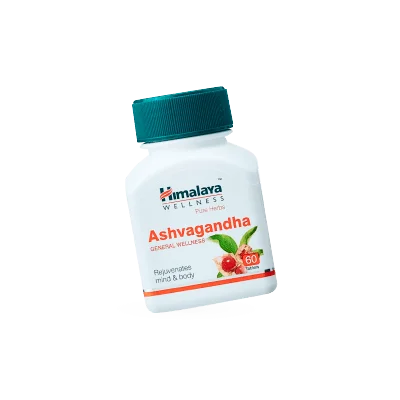
Ashwagandha is the common name for Withania somnifera, a plant used in Ayurveda and classified within the herbal supplements category. The product is supplied in a bottle containing 60 units and is positioned for general wellness support.
The plant belongs to the nightshade family, Solanaceae.
Composition
Ashwagandha is the common name for Withania somnifera, a plant used in Ayurveda and classified within the herbal supplements category.
Ashwagandha contains naturally occurring phytochemicals called withanolides.
Dosage and usage
This Ashwagandha product is supplied in a bottle containing 60 units. The oral bottle format suits users who prefer a measured daily routine without mixing powder into drinks or preparing a liquid extract.
Ashwagandha supplements can differ in their administration format:
- Oral units: convenient for routine use and easier to schedule.
- Root powder: mixed into food or drinks, with taste and serving measurement affecting adherence.
- Liquid extracts: useful for people who prefer liquids, though concentration and measuring accuracy vary.
- Combination products: include Ashwagandha with minerals, vitamins, or other botanical ingredients.
For this bottle, use the recommended serving stated for the product and take it by mouth. Do not exceed the recommended serving in an attempt to accelerate results. If a serving is missed, resume the normal schedule rather than doubling the next serving.
If Ashwagandha makes you sleepy, use it in the evening. If it causes alertness or vivid dreams, morning use may be more suitable, provided the product directions allow that schedule.
How it works
Ashwagandha contains naturally occurring phytochemicals called withanolides. These compounds are studied for effects on inflammatory signalling, oxidative stress, and the hypothalamic–pituitary–adrenal axis, the system involved in the body’s hormonal response to stress.
The available clinical research suggests that Ashwagandha may reduce perceived stress and support sleep in some adults. Results vary because studies use different extracts, doses, treatment periods, and standardisation methods. A supplement cannot be judged only by the plant name; the extract profile and withanolide content also influence its pharmacological activity.
Role of Withanolides in Extract Potency
Withanolides are steroidal lactones found in Withania somnifera. Standardised extracts state a target concentration of these compounds, allowing more consistent comparison between batches. Root powder is different from a concentrated extract because it may contain a lower and less defined amount of withanolides per serving.
Withanolide concentration does not guarantee a stronger personal response. Higher concentration may also increase the chance of digestive discomfort, drowsiness, or interactions in sensitive users. Clinical studies should be interpreted according to the specific extract tested, not automatically applied to every Ashwagandha product [2].
Indications
Ashwagandha is used to support general wellness, especially when ongoing psychological stress is associated with tiredness, poor sleep, or difficulty maintaining concentration. Some controlled studies have reported improvements in perceived stress, sleep measures, or stress-related wellbeing after several weeks of use.
Potential wellness goals include:
- Supporting the body’s response to everyday stress.
- Helping maintain emotional balance.
- Supporting restful sleep in some adults.
- Complementing a routine focused on recovery and energy management.
- Providing a plant-based option within a general wellness plan.
The National Center for Complementary and Integrative Health describes Ashwagandha as a herb with emerging evidence for stress and insomnia, alongside important safety considerations [3].
Comparison
Ashwagandha may appeal to adults who want a plant-based routine for general stress support. It should not replace treatment for major depression, severe anxiety, insomnia caused by another illness, or symptoms of thyroid disease. A persistent problem needs evaluation of the underlying cause.
Contraindications
Extra caution is required in these situations:
- Pregnancy or breastfeeding, because safety data are insufficient.
- Current or previous liver disease.
- Thyroid disease or treatment with thyroid hormones.
- Autoimmune disease or treatment with immunosuppressants.
- Diabetes treated with glucose-lowering medicines.
- Low blood pressure or treatment with antihypertensive medicines.
- A planned surgical procedure.
- Use of sedatives, sleep medicines, or other products that cause drowsiness.
Ashwagandha may interact with medicines that affect the central nervous system, thyroid function, blood pressure, blood glucose, or immune activity. People taking levothyroxine, sedatives, antidiabetic medicines, antihypertensive medicines, anticonvulsants, or immunosuppressants need a medication-specific review before use.
When this is not for you
Ashwagandha is not suitable for everyone. This supplement is not for you if you have a known allergy to Ashwagandha or another ingredient in the formulation.
Serious symptoms should not be attributed to “detoxification” or a normal adjustment period.
Side effects
Ashwagandha is tolerated by many adults when used according to product directions, but it can still cause adverse effects. The most frequently described problems are gastrointestinal.
Possible effects include:
- Stomach discomfort.
- Nausea or loose stools.
- Headache.
- Drowsiness.
- Vivid dreams.
- Skin rash or another allergic reaction.
Stop using the supplement and seek prompt medical assessment if jaundice, dark urine, unusual itching, severe abdominal pain, or persistent vomiting occurs. Rare cases of liver injury have been reported with Ashwagandha-containing products, and LiverTox identifies this as an uncommon but clinically significant concern.
Record sleep quality, daytime alertness, stomach symptoms, and any skin changes during the first two weeks. A simple note can reveal whether a new symptom follows the supplement.
Common mistakes
Several habits can make Ashwagandha harder to evaluate or less tolerable:
- Taking extra servings because the first few days produced no noticeable effect.
- Combining it with alcohol or multiple sedating products.
- Starting it immediately before driving, travel, or night-shift work.
- Using it during pregnancy without a safety assessment.
- Ignoring jaundice, dark urine, or severe abdominal symptoms.
- Assuming every Ashwagandha study applies to every extract.
- Taking it alongside thyroid, diabetes, blood-pressure, or immune medicines without checking for interaction risk.
- Changing several supplements at the same time, making the cause of a side effect unclear.
A common misconception is that “natural” means pharmacologically inactive. Withanolides can affect biological pathways, and individual sensitivity differs.
What doctors say
In clinical practice, a physician would usually ask what the person wants to improve before recommending any stress-support supplement. Daytime fatigue may reflect insufficient sleep, anaemia, thyroid dysfunction, medication effects, depression, or sleep apnoea. Ashwagandha is more appropriate as a wellness option when serious causes have not been overlooked.
A doctor would also ask about pregnancy, liver history, thyroid treatment, diabetes, blood-pressure medicines, sedatives, and planned surgery. These details change the risk assessment more than the label category “herbal supplement.”