
Verified
After several weeks of nighttime reflux, the burning became less frequent during the first part of treatment. I still had to stop eating late because the capsule did not prevent every symptom.
8 Oct 2026
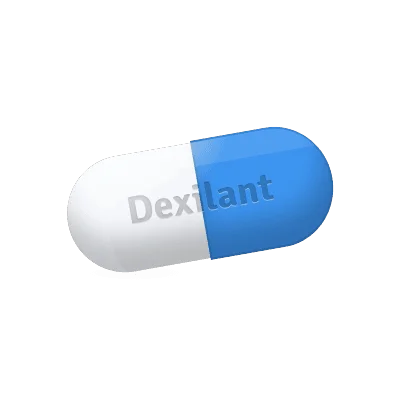
Dexilant is a prescription proton pump inhibitor for people with acid-related disorders such as erosive esophagitis and gastroesophageal reflux disease. Its delayed-release design reduces gastric acid production, helping the oesophagus heal and reducing recurrent heartburn.
Dexilant belongs to the proton pump inhibitor class. Its active pharmaceutical ingredient is dexlansoprazole, which suppresses the final stage of gastric acid secretion in the stomach. The medicine is used when acid exposure contributes to inflammation, burning discomfort, regurgitation, or oesophageal injury.
Dexlansoprazole is related to lansoprazole and represents its R-enantiomer. An enantiomer is one of two molecular arrangements with the same chemical formula but a different three-dimensional orientation. The distinction matters because molecular orientation can influence how a medicine behaves in the body.
The capsule is designed for modified release rather than immediate dissolution.
Dexilant uses Dual Delayed-Release Technology. The capsule contains two groups of delayed-release granules that dissolve at different points in the digestive tract. This produces two separate releases of dexlansoprazole instead of one single release.
The first release begins after the capsule passes through the stomach. A second release occurs later, extending acid suppression across a longer part of the day. This design can be useful when heartburn returns later despite an earlier dose.
The release system does not mean that Dexilant neutralises acid already present in the stomach. It reduces new acid production by acting on the acid-producing proton pumps in stomach cells.
Dexilant is supplied as modified-release hard capsules. The dose is stated on the pack; follow the leaflet. The product may be supplied in capsule packs, including 28-capsule configurations.
The usual administration principles are:
Some patients assume that a proton pump inhibitor must always be taken before breakfast. Dexilant’s delayed-release design permits administration without regard to meals, which can make the routine easier to maintain. A consistent daily time still helps prevent forgotten doses. Meal flexibility does not remove the need to follow the prescribed dose. Patients should not change the dosing schedule without clinical advice.
One practical detail is easy to miss: opening a capsule and chewing the granules can remove the protection that keeps the medicine from being released too early. The capsule may look intact from the outside, while the release mechanism inside remains sensitive to crushing.
Treatment duration varies. Healing courses for erosive esophagitis are different from longer maintenance regimens, and prolonged treatment should be reviewed when the original indication has resolved.
Dexilant reduces acid by inhibiting the gastric H⁺/K⁺-ATPase, commonly called the proton pump. This enzyme transfers hydrogen ions into the stomach and is responsible for the final step of acid secretion. Blocking it produces a stronger and longer-lasting reduction in acid than medicines that only neutralise existing acid.
Dexilant’s two-phase release differs from standard immediate-release products because it creates two separate opportunities for dexlansoprazole exposure. The clinical benefit is not simply a faster onset. It is sustained control across different periods after one daily dose.
Dexilant is used for several acid-related conditions. The main approved treatment areas include healing erosive esophagitis, maintaining healing after erosive esophagitis has resolved, and treating heartburn associated with gastroesophageal reflux disease.
Erosive esophagitis occurs when repeated exposure to stomach acid damages the lining of the oesophagus. Symptoms may include burning behind the breastbone, painful swallowing, difficulty swallowing, sour regurgitation, or chest discomfort related to reflux.
The FDA prescribing information describes the following treatment purposes [1]:
| Clinical purpose | Role of Dexilant |
|---|---|
| Healing erosive esophagitis | Reduces acid exposure while damaged tissue heals |
| Maintenance of healing | Helps reduce recurrence after healing |
| GERD-related heartburn | Decreases acid secretion associated with symptoms |
Dexilant works differently from a simple antacid. Antacids chemically neutralise acid that is already present and generally act for a shorter period. Dexilant suppresses acid production at the cellular level, so its role is preventive and therapeutic rather than an immediate neutralising action.
A proton pump inhibitor may be selected when symptoms are frequent, when reflux has caused mucosal injury, or when a clinician wants sustained acid suppression. Treatment choice depends on the diagnosis, symptom pattern, other medicines, and the intended treatment duration.
H2-receptor blockers may be useful for selected intermittent symptoms, though tolerance can reduce their effect with repeated use. Antacids may relieve occasional burning quickly but do not heal erosive damage. The choice depends on whether the goal is immediate relief, prevention of recurrent symptoms, or healing of documented oesophageal injury.
A review of proton pump inhibitor therapy in the American College of Gastroenterology guidance supports matching treatment intensity to the confirmed reflux condition and stepping down when long-term intensive suppression is no longer needed [2].
Dexilant is not suitable for everyone. This medication is not for you if you have had a serious allergic reaction to dexlansoprazole, another proton pump inhibitor, or an excipient in the capsule. It is also contraindicated with medicines containing rilpivirine because reduced stomach acidity can lower rilpivirine exposure and compromise antiviral treatment.
Important interactions include:
Tell the prescriber about HIV treatment, cancer therapy, anticoagulants, transplant medicines, antiepileptics, and high-dose methotrexate before treatment begins. A medicine that appears unrelated to reflux can still be affected by gastric pH.
Pregnancy and breastfeeding require individual assessment. Kidney disease, liver disease, osteoporosis, previous low magnesium, and a history of vitamin B12 deficiency also influence the choice and duration of treatment.
Common adverse effects associated with Dexilant include headache, diarrhoea, abdominal discomfort, nausea, vomiting, and upper respiratory symptoms. Many are mild and temporary, though persistent or troublesome symptoms need clinical review.
Diarrhoea deserves attention because severe watery diarrhoea during or after acid-suppressing treatment can be associated with Clostridioides difficile infection. Fever, significant abdominal pain, dehydration, or blood in the stool requires prompt assessment.
Longer courses may be associated with clinically relevant risks:
These associations do not mean that every person taking Dexilant will develop a complication. Risk is influenced by treatment duration, age, kidney function, nutritional status, other medicines, and existing disease.
A patient may also notice that reflux improves before the irritated oesophagus has fully healed. Stopping treatment as soon as burning settles can allow the underlying inflammation to return.
Long-term proton pump inhibitor safety requires a reason for continued treatment. The World Health Organization and pharmacovigilance literature recognise the need to balance symptom control with monitoring for problems linked to prolonged acid suppression [3].
Several practical errors can reduce benefit or increase risk:
One detail patients often miss is the difference between symptom control and tissue healing. Burning may improve within days, while damaged oesophageal tissue requires a longer course.
Another is the effect of non-drug triggers. Large evening meals, lying down soon after eating, alcohol, tobacco, and individual trigger foods can continue provoking reflux even when acid suppression is working.
In clinical practice, physicians usually define the treatment goal before selecting a proton pump inhibitor. Healing erosive esophagitis requires a different plan from occasional heartburn. The prescription strength and duration should match that goal.
Doctors also look for alarm symptoms. Progressive swallowing difficulty, anaemia, gastrointestinal bleeding, recurrent vomiting, and unexplained weight loss may require investigation rather than prolonged symptom suppression.
A common prescribing mistake is allowing a medicine started for a short episode of reflux to continue indefinitely without reassessment. The opposite mistake also occurs: stopping treatment too early when erosive disease still needs time to heal.
Physicians may review magnesium, vitamin B12, kidney function, bone risk, and interacting medicines when prolonged therapy is needed. Routine testing is not identical for every patient; monitoring is guided by symptoms and individual risk.
Yes. Dexilant is used for heartburn associated with gastroesophageal reflux disease and for conditions involving erosive oesophageal injury. The FDA Dexilant Prescribing Information (2019) distinguishes symptom treatment from healing and maintenance indications. Dexilant reduces acid production rather than neutralising acid already present.
Yes. Dexilant can generally be taken with or without food because its capsule uses delayed-release granules. The FDA Dexilant Prescribing Information (2019) supports administration without meal timing restrictions, a feature that can help people maintain a regular routine. The capsule should still be swallowed whole.
Some people notice reduced burning within the first few days, while healing of erosive esophagitis takes longer. The American College of Gastroenterology guideline (2022) describes proton pump inhibitor treatment as a course-based therapy rather than a single-dose rescue treatment. Continued symptoms during the prescribed course may indicate another cause or the need for reassessment.
An antacid may sometimes be used for breakthrough symptoms, but the combination should fit the treatment plan. The FDA Dexilant Prescribing Information (2019) supports reviewing the full medicine list when several gastrointestinal products are used together. Frequent need for an antacid suggests that the underlying treatment or diagnosis may need review.
Long-term treatment can be appropriate for selected patients with recurrent or complicated reflux disease. The American College of Gastroenterology guideline (2022) supports periodic review of prolonged proton pump inhibitor therapy, especially when risk factors for magnesium deficiency, vitamin B12 deficiency, fractures, or kidney problems are present. The lowest suitable intensity should be used for the confirmed indication.
Diarrhoea is a recognised adverse effect and may be mild. Persistent watery diarrhoea, fever, abdominal pain, dehydration, or blood in the stool needs prompt medical assessment because acid suppression can be associated with Clostridioides difficile infection. The FDA Dexilant Prescribing Information (2019) identifies diarrhoea as an adverse effect and supports evaluation of severe or persistent symptoms.
Rilpivirine-containing products must not be combined with Dexilant. The FDA Dexilant Prescribing Information (2019) also highlights the need to assess methotrexate, warfarin, digoxin, tacrolimus, dasatinib, and medicines whose absorption depends on gastric acidity. Provide a complete medicine list before treatment begins.
Your order will be securely packed and shipped within 24 hours. This is exactly what your package will look like (images of an actual item sent). It has the size and look of a regular private letter (24x11x0.7 cm) and its contents cannot be seen.
After several weeks of nighttime reflux, the burning became less frequent during the first part of treatment. I still had to stop eating late because the capsule did not prevent every symptom.
The capsule was easy to take with breakfast because food timing was not a problem. Headaches appeared during the first week and then settled.
Dexilant reduced the sour taste and throat irritation, but improvement was gradual rather than immediate. I kept a simple meal and symptom diary, which helped identify late dinners as a trigger.
The reflux improved, but diarrhoea continued for several days and needed medical review. The treatment was adjusted after other causes were checked.