Verified
Took about three cycles before I noticed less oil on my skin. First month gave me sore breasts and a headache that faded after week two. Worth it for the acne, but it wasn't instant like I expected.
19 Oct 2026

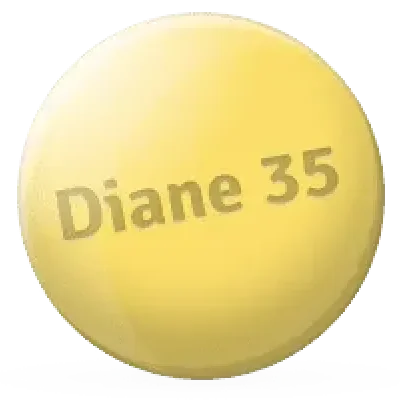
Diane 35 is a prescription combined hormonal medication for women with severe androgen-related acne or PCOS. Its cyproterone acetate and ethinyl estradiol combination reduces androgen activity and helps regulate the menstrual cycle.
Diane 35 is a combined hormonal prescription medication containing cyproterone acetate and ethinyl estradiol. Together, this combination is classified pharmacologically as a cyproterone-containing combined hormonal preparation, distinct from standard combined oral contraceptives that use a progestin without anti-androgen activity [1].
Each Diane 35 tablet contains cyproterone acetate and ethinyl estradiol. The dose is stated on the pack — follow the leaflet. Cyproterone acetate belongs to a class of anti-androgens; ethinyl estradiol is a synthetic estrogen.
Diane 35 follows a fixed 21-day regimen. Here's how the cycle works:
| Days 1–21 | Days 22–28 |
|---|---|
| One active tablet daily | No tablets — pill-free interval |
| Continuous anti-androgen and estrogen exposure | Withdrawal bleeding typically occurs |
If a tablet is missed by less than 12 hours, take it as soon as remembered and continue the pack as scheduled. A delay beyond 12 hours reduces hormonal cover, and a backup contraceptive method is recommended for the following 7 days. Missing tablets during the first week of a pack carries the highest risk of reduced efficacy, since that's when ovarian suppression is least established.
Treatment courses for acne or PCOS are typically reassessed by a prescriber after three to four months, since the therapeutic benefit on skin and hormonal symptoms lags behind the contraceptive effect, which starts from the first cycle.
Cyproterone acetate competes with testosterone and dihydrotestosterone for binding sites on androgen receptors in the skin's sebaceous glands and hair follicles. Blocked receptors can't trigger excess sebum production, which is the direct cause of androgen-related acne. At the same time, cyproterone acetate suppresses luteinizing hormone (LH) release from the pituitary gland, which reduces ovarian androgen synthesis at the source [2].
Ethinyl estradiol works through a separate pathway. It stimulates the liver to synthesize more SHBG. Higher SHBG means more circulating testosterone gets bound and inactivated, compounding the anti-androgen effect from cyproterone acetate.
The result is a two-pronged suppression: less androgen produced, and less of what remains able to act on tissue.
It is prescribed to women who need treatment for severe androgen-dependent acne or polycystic ovary syndrome (PCOS), and it also provides contraceptive protection as a secondary effect.
| Component | Diane 35 | Yasmin |
|---|---|---|
| Anti-androgen / progestin | Cyproterone acetate 2 mg | Drospirenone 3 mg |
| Estrogen | Ethinyl estradiol 0.035 mg | Ethinyl estradiol 0.03 mg |
| Primary indication | Severe acne, PCOS-related androgen excess | Contraception, mild acne |
Cyproterone acetate has stronger anti-androgen activity than drospirenone, which is why Diane 35 is generally reserved for more pronounced acne or clinical hyperandrogenism, while Yasmin is more commonly used as a standard contraceptive with a mild secondary skin benefit. Cyproterone-containing regimens have also been associated with a somewhat higher relative risk of venous thromboembolism compared with levonorgestrel-containing pills in pharmacovigilance reviews coordinated by the EMA [3]. This risk difference supports limiting Diane 35 to defined medical indications rather than using it as a general-purpose contraceptive.
Contraindications. This medication is not for you if you:
Cyproterone acetate and ethinyl estradiol are both metabolized through hepatic pathways, so enzyme-inducing drugs — certain anticonvulsants, rifampicin, and St. John's Wort — can reduce the medication's effectiveness. FDA and NICE guidance also addresses these interaction risks.
This medication is not for you if you have a personal or family history of blood clots, liver disease, uncontrolled high blood pressure, hormone-sensitive cancer, or migraine with aura. It is also not suitable if you smoke and are over 35, or if you are pregnant or breastfeeding.
Most patients tolerate Diane 35 reasonably well, but it carries the same safety considerations as other combined hormonal medications, plus some specific to cyproterone acetate.
Common, usually mild effects include:
Serious but less frequent risks require immediate medical attention:
Prescribers tend to frame Diane 35 as a medium-term therapeutic tool rather than a permanent contraceptive choice. In clinical practice, dermatologists often pair it with topical retinoids for moderate-to-severe acne, since the hormonal effect addresses the underlying androgen drive while topical treatment manages the visible lesions faster.
Gynecologists managing PCOS tend to reassess treatment duration more actively than with standard contraceptives, largely because of the thromboembolism signal associated with cyproterone acetate. A typical approach: use it for a defined window tied to the androgenic symptom, then revisit whether continued use is still the best option or whether a lower-risk alternative fits better once acne has improved. The review should include blood pressure, smoking status, migraine history, and thromboembolism risk. It should also consider whether acne or androgenic symptoms remain active. A prescriber can then decide whether to continue, change, or stop treatment.
Diane 35 is approved for the treatment of androgen-dependent conditions such as severe acne and symptoms associated with PCOS; contraceptive protection is a secondary effect of the hormonal combination. The EMA's product information for cyproterone acetate/ethinylestradiol combinations (2023) specifically frames contraception as a byproduct of therapy, not the primary indication . Women seeking contraception alone are typically offered alternatives with a lower thromboembolism profile. MOHAP classifies this combination under prescription-only hormonal therapies for the same reason.
Clinical improvement generally builds over three to six consecutive cycles rather than appearing in the first pack. This is because androgen suppression needs to reduce sebum production gradually, and existing skin lesions take time to resolve even after the hormonal trigger is reduced. The WHO's guidance on combined hormonal contraceptive use (2015, reaffirmed in subsequent updates) notes that skin-related outcomes with anti-androgen formulations lag behind cycle regulation effects .
A tablet missed by less than 12 hours should be taken immediately, with the pack continued on schedule. If more than 12 hours have passed, hormonal cover is considered reduced, and a backup contraceptive method is advised for 7 days. Missed tablets in the first week of a new pack carry the highest risk, since ovarian suppression hasn't fully taken hold yet. The EMA product information dated 2023 provides the same missed-tablet framework.
Smoking combined with this medication, especially after age 35, significantly raises the risk of venous thromboembolism and cardiovascular events. This is a specific contraindication recognized across EMA pharmacovigilance assessments of combined hormonal therapies . Prescribers routinely ask about smoking status before continuing a prescription past the initial trial period. The EMA assessment report from 2013 identifies smoking and age as cardiovascular risk factors.
Both contain the identical active combination of cyproterone acetate 2 mg and ethinylestradiol 0.035 mg, making them therapeutically equivalent formulations. The brand name differs by market, but the pharmacological action, dosing schedule, and safety profile are the same. Clinicians treat them as interchangeable from a therapeutic standpoint. The EMA product information dated 2023 describes the same active-ingredient combination and dosing principles.
Enzyme-inducing drugs — including certain anticonvulsants, rifampicin, and herbal products like St. John's Wort — can reduce the hormonal effectiveness of Diane 35 by accelerating its metabolism in the liver. Patients on long-term treatment for epilepsy or tuberculosis should flag this interaction specifically when starting the medication. The EMA's drug interaction guidance for combined hormonal products (2023) lists these as the primary interaction categories to monitor .
Women with a personal or family history of venous or arterial thromboembolism, active liver disease, hormone-sensitive cancers, uncontrolled hypertension, or migraine with aura should not use this medication. Pregnant or breastfeeding women are also excluded from treatment. These contraindications align with WHO medical eligibility criteria for combined hormonal contraceptives (2015) .
Your order will be securely packed and shipped within 24 hours. This is exactly what your package will look like (images of an actual item sent). It has the size and look of a regular private letter (24x11x0.7 cm) and its contents cannot be seen.
Took about three cycles before I noticed less oil on my skin. First month gave me sore breasts and a headache that faded after week two. Worth it for the acne, but it wasn't instant like I expected.
My cycle became very regular, which was the main reason my doctor put me on it for PCOS. Mood dipped a bit in the first two packs. Nothing dramatic, just noticed I was more irritable before my period.
Switched from a different combined pill because my skin wasn't improving. Diane 35 helped within the third pack, but I had some spotting mid-cycle twice that my pharmacist said was normal while the body adjusts.
No complaints, honestly. Clear skin, predictable periods. The only annoying part is remembering the exact same time every day — I set a phone alarm after missing two doses in the first month.