Verified
I noticed more physical sensation after about an hour, but my desire did not change. The first time caused facial warmth and a mild headache that settled later.
14 Oct 2026

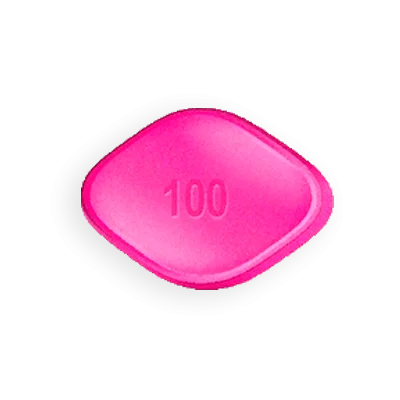
Lovegra is a sildenafil tablet for adult women experiencing physiological sexual arousal difficulties. It may support genital blood flow during sexual stimulation as a non-hormonal option, although female sexual dysfunction use is off-label.
Lovegra is a sildenafil tablet intended for adult women with difficulties involving physiological sexual arousal. It is used as a non-hormonal option because sildenafil can increase genital blood flow during sexual stimulation. Its use for female sexual dysfunction is off-label, and response varies by the underlying cause.
Lovegra contains sildenafil, a phosphodiesterase type 5 inhibitor, in the tablet strength stated on the pack. The medicine is intended for adult women experiencing reduced genital arousal, diminished physical sensation, or selected forms of female sexual dysfunction where vascular response may contribute.
Sildenafil is a vascular medicine, not a hormone and not a general aphrodisiac. It does not automatically create sexual desire, emotional interest, or relationship intimacy. Its proposed role is to support the physical blood-flow component of arousal when sexual stimulation is already present.
Clinical evidence for sildenafil in women remains mixed. Some women with arousal-related difficulties report improved genital sensation, while others experience little change because their symptoms arise mainly from hormonal, psychological, neurological, medication-related, or relationship factors. The European Medicines Agency and FDA-approved uses of sildenafil concern other indications, while female sexual dysfunction remains an off-label area of use [1].
Lovegra uses sildenafil. The clinical context is women with physiological arousal difficulties, while sildenafil is established mainly for erectile dysfunction in men.
The vascular mechanism is not inherently female or male. Sildenafil inhibits PDE5 in smooth muscle, allowing nitric oxide signalling to produce vasodilation. Genital anatomy, hormonal status, pelvic blood flow, and the cause of sexual symptoms determine whether that mechanism produces a noticeable benefit.
A female-focused sildenafil product addresses a practical clinical problem: some women have sexual symptoms linked to reduced genital blood flow or impaired physical arousal despite having sexual desire. In those cases, a PDE5 inhibitor may be considered after other causes have been assessed.
Lovegra should not be treated as a universal libido enhancer, sexual stimulant, or aphrodisiac. Desire and arousal are related but different processes. A tablet that supports vascular response cannot correct every cause of reduced libido.
The Lovegra product context specifies the tablet strength on the pack. The dose is stated on the pack — follow the leaflet. The tablet is taken orally before planned sexual activity, with timing determined by the prescriber’s directions and individual tolerance.
Practical administration points include:
Sildenafil commonly begins to act within approximately 30 to 60 minutes in approved uses, though timing varies with food, circulation, age, other medicines, and the cause of sexual symptoms. A delayed response does not justify taking a second tablet.
Sexual stimulation activates nerves that release nitric oxide in genital tissues. Nitric oxide increases cyclic guanosine monophosphate, or cGMP, inside smooth-muscle cells. cGMP relaxes those cells and allows local blood vessels to widen.
PDE5 normally breaks down cGMP. Sildenafil blocks PDE5, so cGMP remains active for longer. This can increase genital blood circulation and physical sensitivity during sexual stimulation. The process depends on an initial sexual response; sildenafil does not work as a source of spontaneous desire.
The medicine can influence genital blood flow without changing oestrogen or progesterone levels. It therefore differs from hormonal treatment for vaginal dryness, menopausal symptoms, or endocrine disorders.
Lovegra is most relevant when reduced physical arousal appears vascular. A clinician may consider other approaches when symptoms include low oestrogen, genital pain, pelvic-floor dysfunction, depression, anxiety, medication effects, or relationship distress.
Evidence from trials in female sexual dysfunction has not produced the same consistent results seen in erectile dysfunction. The Cochrane evidence base describes limited and variable benefit in women, with adverse effects similar to those seen in other sildenafil studies [2]. This limitation should shape expectations.
The comparison below focuses on mechanism and clinical purpose rather than brand catalogues.
| Approach | Main role | Key limitation |
|---|---|---|
| Lovegra with sildenafil | Supports PDE5-mediated genital blood flow during stimulation | Female use is off-label and may not improve desire |
| Viagra / sildenafil | Uses the same PDE5 mechanism, established mainly for erectile dysfunction | The male indication does not prove benefit for every female sexual symptom |
| Hormonal treatment | Addresses selected hormone-related symptoms | Requires assessment of menopausal status, medical history, and contraindications |
Sildenafil combined with nitrates can cause a dangerous fall in blood pressure. Alpha-blockers, some antihypertensives, and medicines that inhibit CYP3A4 may also increase sildenafil exposure. Relevant CYP3A4 inhibitors include ritonavir, cobicistat, ketoconazole, itraconazole, erythromycin, and clarithromycin.
The FDA prescribing information for sildenafil warns against nitrate co-administration and describes cardiovascular, visual, auditory, and hypotensive risks [3].
Lovegra is not for you if you use nitrates, have a condition that makes sexual activity unsafe, or have been advised to avoid sildenafil. Talk with a clinician before use if you have heart or blood-pressure problems, recently had a stroke or heart attack, have severe liver disease, certain inherited retinal disorders, or a previous severe allergic reaction to sildenafil. Do not use it during pregnancy without specialist direction, and breastfeeding requires individual assessment. Do not combine it with another sildenafil product or PDE5 inhibitor.
The main adverse effects associated with sildenafil are headache, flushing, dyspepsia, nasal congestion, dizziness, and nausea. These effects are linked to vasodilation and usually become less noticeable as the medicine leaves the body. Frequency varies between studies and depends on dose, health status, and concurrent medicines.
Common reactions may include:
Women with low baseline blood pressure may feel dizziness more quickly. Standing slowly, avoiding excess alcohol, and remaining hydrated can reduce discomfort, although these measures cannot prevent serious reactions.
Seek urgent medical care for chest pain, fainting, severe breathlessness, sudden hearing loss, sudden vision loss, or signs of a severe allergic reaction. A prolonged painful erection is mainly discussed in male patients, but any unexpected prolonged genital pain requires urgent assessment.
Sildenafil may produce an abnormal result on some urine drug screens for amphetamines because of assay interference reported in clinical practice. Anyone undergoing workplace or legal testing should disclose prescribed and non-prescription medicines to the testing clinician.
Several practical errors can reduce benefit or increase adverse effects:
One overlooked detail is timing after a large meal. Another is the effect of alcohol on blood pressure. These small decisions can change how tolerable the dose feels.
In clinical practice, the first task is identifying the type of sexual symptom. Low desire, reduced genital sensation, pain with penetration, difficulty reaching orgasm, and vaginal dryness do not have the same causes. Sildenafil has the strongest theoretical fit when physical arousal and genital blood flow are central problems.
A clinician would also review antidepressants, antihypertensives, diabetes, vascular disease, menopause, pelvic surgery, neurological disorders, and alcohol intake. Selective serotonin reuptake inhibitors can reduce libido and orgasmic response, while hormonal changes can affect lubrication and tissue sensitivity. Treating the underlying factor may produce more benefit than increasing sildenafil. A medication review can reveal an adverse effect that sildenafil cannot correct. Follow-up helps determine whether the treatment target was physical arousal or another sexual symptom.
Expectations matter. A response may be noticeable as improved warmth, engorgement, lubrication, or sensation rather than a sudden increase in sexual desire. Lack of benefit after correctly timed use may indicate that the main cause is not vascular.
The 2025 literature continues to describe female sexual dysfunction as a group of conditions rather than one disease. WHO materials on sexual health also frame sexual well-being through physical, psychological, relational, and social factors, not through medication alone [4].
Lovegra may support physical genital arousal, but it does not directly increase psychological desire. Sildenafil works through PDE5 inhibition and nitric oxide signalling rather than through sex hormones or brain-based libido pathways. Clinical reviews available through 2025 describe mixed results for sildenafil in female sexual dysfunction. The EMA and WHO distinguish sexual desire, arousal, orgasm, pain, and lubrication as separate clinical domains.
Sildenafil often begins producing vascular effects within 30 to 60 minutes, though food, alcohol, circulation, and other medicines can alter timing. The response also requires sexual stimulation. FDA prescribing information describes sildenafil pharmacokinetics and food-related absorption changes in its 2020 approved-use data. A delayed response should not lead to another dose on the same day.
Alcohol can increase flushing, dizziness, and low blood pressure when combined with sildenafil. It may also reduce sexual responsiveness, making it difficult to judge the medicine’s effect. The 2020 FDA sildenafil label describes hypotension risks with vasodilating medicines, while WHO sexual-health guidance treats alcohol as a factor that can affect sexual function. Avoiding alcohol is the safer approach when assessing tolerance.
Pregnancy is not an appropriate setting for self-directed sildenafil use. Sildenafil has no established role as a routine treatment for female sexual arousal during pregnancy, and pregnancy-related symptoms require obstetric assessment. The 2023 EMA product information for sildenafil-containing medicines restricts use to defined medical indications rather than general sexual enhancement. Breastfeeding also requires an individual risk assessment.
The answer depends on the antidepressant and the reason for treatment. Selective serotonin reuptake inhibitors may contribute to reduced desire or delayed orgasm, while sildenafil may address only the vascular component of arousal. CYP3A4 inhibitors and medicines affecting blood pressure require additional caution. NICE guidance available in 2024 supports reviewing medication effects before changing treatment.
Temporary visual changes can occur with sildenafil because PDE5-related effects may influence retinal phototransduction. Stop using the medicine and seek urgent medical assessment for sudden vision loss, persistent visual disturbance, or severe eye pain. The 2020 FDA label lists visual adverse effects and rare serious ocular events. Do not take another dose while unexplained visual symptoms continue.
Lovegra is not suitable for every woman. Reduced libido can result from depression, anxiety, relationship distress, menopause, pain, medication effects, endocrine disease, or neurological conditions. Sildenafil is most relevant when impaired physical arousal and genital blood flow are plausible contributors. The Journal of Sexual Medicine literature through 2025 supports assessing the complete sexual symptom pattern rather than treating every low-libido complaint with a vascular medicine [5].
Your order will be securely packed and shipped within 24 hours. This is exactly what your package will look like (images of an actual item sent). It has the size and look of a regular private letter (24x11x0.7 cm) and its contents cannot be seen.

I noticed more physical sensation after about an hour, but my desire did not change. The first time caused facial warmth and a mild headache that settled later.
The tablet seemed more useful after a light meal. I felt less numb physically, although the effect was modest and did not help with dryness.
I developed dizziness when I stood up and decided not to repeat it. I had also consumed wine, which may have made the reaction worse.
The response was inconsistent. On one occasion sensation improved, while on another there was no clear difference. I found the headache more troublesome than expected.
There was a noticeable increase in warmth and sensitivity, but it did not solve low desire linked to stress. The result felt supportive rather than dramatic.