Verified
The first week was uncomfortable because I was eating too much fried food. I changed breakfast and lunch, and the oily urgency became much less frequent. Weight loss was gradual rather than dramatic.
27 Sep 2026

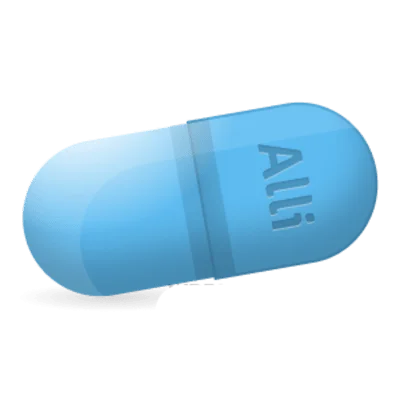
Alli is an oral weight-loss medicine for overweight adults. It is intended for use with a reduced-calorie, lower-fat eating plan and regular physical activity. Its active ingredient, orlistat, reduces absorption of dietary fat in the digestive tract to support gradual weight management.
Alli contains orlistat per capsule. Orlistat belongs to the lipase-inhibitor class of weight-loss medicines. Alli is intended for adults who need support with weight reduction alongside dietary changes and regular physical activity.
Alli contains orlistat per capsule. Orlistat belongs to the lipase-inhibitor class of weight-loss medicines. Alli is intended for adults who need support with weight reduction alongside dietary changes and regular physical activity.
The medicine does not suppress appetite in the same way as centrally acting treatments. Its action stays mainly within the gut, where it limits the digestion and absorption of some dietary fat. The unabsorbed fat leaves the body through bowel movements.
Alli is a weight loss drug, not a general-purpose digestive aid. Its benefit depends on the fat content of meals and the consistency of the eating plan. Taking a capsule after a very high-fat meal can increase bowel-related adverse effects without improving weight-loss results.
The strength is designed for non-prescription use in appropriate adults in markets where this status applies. Regulatory classification and supply requirements can differ under local rules administered by bodies such as MOHAP.
The active pharmaceutical ingredient is orlistat. The dose is stated on the pack — follow the leaflet.
Inactive ingredients support the capsule structure and manufacturing process. The clinically relevant action comes from orlistat, which inhibits gastrointestinal lipases rather than changing appetite signals in the brain.
The capsule should be swallowed whole with water. Opening, chewing, or emptying the contents into food is not an appropriate way to use this medicine.
The dose is stated on the pack — follow the leaflet. The capsule may be taken during the meal or within one hour after eating.
Use these dosing rules:
The FDA-approved directions describe meal-linked use rather than fixed clock times [2]. A capsule should not be taken several hours after a meal because the medicine is intended to act while dietary fat is being digested.
A lower-fat diet reduces bowel symptoms. Many people find that meals based on lean protein, vegetables, fruit, grains, and measured portions of oils are easier to tolerate than fried foods, creamy sauces, fatty meats, and large desserts.
Vitamin absorption can also be affected. Orlistat may reduce absorption of fat-soluble vitamins A, D, E, and K, along with beta-carotene. A multivitamin may be needed at a separate time, usually at least two hours after Alli or at bedtime. The exact supplement choice should account for other medicines and existing nutritional conditions.
If a dose is missed and the meal has already ended, skip it. Do not double the next dose.
Orlistat blocks gastric and pancreatic lipase enzymes in the intestinal lumen. These enzymes normally break dietary triglycerides into smaller molecules that can cross the intestinal wall. When lipase activity is inhibited, part of the dietary fat remains undigested and passes through the bowel.
The effect is local. Only a small amount of orlistat reaches the circulation, so its main pharmacological activity occurs in the digestive tract rather than throughout the body. The FDA describes orlistat as a gastrointestinal lipase inhibitor in its Alli labeling information [1].
This mechanism explains the characteristic side effects. Oily spotting, loose stools, gas with discharge, and urgency occur because unabsorbed fat reaches the colon. These effects are more likely after meals containing excessive fat.
Alli does not burn stored fat directly. Weight reduction comes from a lower calorie intake, while orlistat reduces the number of calories absorbed from dietary fat. It also does not remove the need for movement, protein intake, fibre, and an adequate supply of vitamins. Its effect therefore depends on food choices over time.
Alli is intended for adults who need support with weight reduction alongside dietary changes and regular physical activity.
Alli and prescription-strength orlistat use the same general mechanism, but they differ in dose and prescribing status. Other weight-management medicines act through different pathways, such as appetite regulation, glucose-dependent hormone signalling, or effects on central nervous system pathways.
| Treatment category | Main mechanism | Typical clinical distinction |
|---|---|---|
| Alli | Orlistat 60 mg inhibits gut lipases | Lower-dose, meal-linked treatment with prominent gastrointestinal effects |
| Prescription orlistat | Orlistat 120 mg inhibits gut lipases | Higher-strength option selected under clinical supervision |
| Incretin-based treatment | Hormone-receptor signalling affects appetite and glucose control | Usually administered under a structured medical programme |
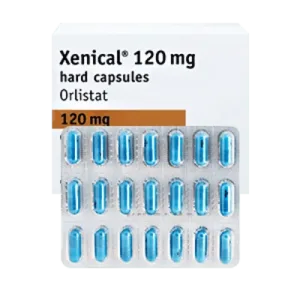
Xenical contains prescription-strength orlistat 120 mg. The active ingredient is related to Alli, but the dose and clinical pathway differ. A higher dose does not make a high-fat diet appropriate; it can increase gastrointestinal problems.
Ozempic contains semaglutide and belongs to a different therapeutic group. It is prescribed for specific diabetes indications and is not interchangeable with Alli for self-directed weight management. A person using glucose-lowering treatment needs an individual medication review before adding any weight-loss product.
Diet pills that act as stimulants or appetite suppressants have a different adverse-effect profile from orlistat. Alli may suit someone who prefers a gut-local treatment, but it can be inconvenient for people who cannot reliably control meal fat.
The best option depends on body mass index, coexisting conditions, current medicines, eating pattern, and the need for diabetes or cardiovascular risk reduction. NICE guidance treats weight management as a combination of nutrition, physical activity, behavioural support, and suitable pharmacotherapy rather than a capsule-only intervention [3].
This medication is not for you if you:
The European Medicines Agency product information for orlistat identifies chronic malabsorption syndrome and cholestasis as contraindications [4]. Existing gallbladder, liver, kidney, pancreatic, or gastrointestinal disease requires careful review before use.
Orlistat can affect the absorption of some medicines. Interactions requiring specific attention include:
People taking regular medicines should provide a complete list, including non-prescription products and vitamin supplements, before starting Alli. A pharmacist or prescriber can then assess specific interaction risks rather than relying on general advice.
Alli is not suitable for every adult. The medicine should not be used in pregnancy for weight reduction, and it is not intended for children or adolescents unless a specialist service provides a specific plan.
The main adverse effects of Alli involve the bowel. They result from undigested fat rather than from a stimulant effect. The FDA prescribing information reports oily spotting, flatus with discharge, fecal urgency, fatty or oily stool, increased defecation, and fecal incontinence among the recognised effects .
Common symptoms may include:
In clinical data for orlistat 60 mg, oily spotting occurred in about one-quarter of users, while gas with discharge, fecal urgency, and fatty stool were also reported frequently. Rates vary between studies and depend strongly on the amount of fat eaten.
Symptoms often become more noticeable during the first weeks, when users are still learning which meals trigger them. They may improve after reducing dietary fat and keeping meals more evenly balanced.
Stop using the medicine and obtain prompt medical assessment if severe or persistent abdominal pain, yellowing of the skin or eyes, dark urine, severe weakness, or signs of a serious allergic reaction occur. These symptoms are not routine digestive effects.
Long-term use may reduce absorption of fat-soluble vitamins. People with a history of nutritional deficiency, chronic diarrhoea, inflammatory bowel disease, or major digestive surgery need a more individualised assessment before treatment.
Several habits reduce the benefit of Alli or increase unwanted bowel effects:
One easy mistake is underestimating fat in prepared foods. A salad with cheese, dressing, avocado, and seeds can contain more fat than a simple home-cooked meal, even though it appears light.
Another is taking the capsule long after eating. The dose is meal-linked. Delayed use does not repair the meal and may encourage unnecessary repeat dosing.
Clinicians usually describe Alli as a tool that works best when meal composition is controlled. The medicine does not compensate for a consistently high-fat diet, and bowel effects can become the limiting factor before weight loss becomes apparent.
A doctor will usually look at body mass index, waist circumference, blood pressure, glucose status, eating patterns, and current treatment. The same capsule may be reasonable for one adult and unsuitable for another because of kidney disease, malabsorption, anticoagulant treatment, or nutritional risk.
The first practical milestone is not a dramatic change on the scale. It is the ability to follow a lower-fat eating plan without persistent gastrointestinal disruption. Weight should be assessed over several weeks, using consistent weighing conditions rather than reacting to daily fluctuations caused by fluid or bowel changes.
In clinical practice, treatment is often stopped when there is no meaningful progress despite consistent diet and use. Continued treatment without benefit exposes the person to adverse effects without a clear therapeutic return. A structured plan also helps identify whether weight changes come from the eating pattern, the medicine, or both.
No. Alli reduces digestion and absorption of some dietary fat in the intestine rather than directly reducing appetite. The FDA's 2007 information describes orlistat as a gastrointestinal lipase inhibitor, and the medicine is designed to accompany a reduced-calorie eating plan. Adults who continue to feel unusually hungry may need assessment of meal composition, sleep, emotional eating, or another medical cause.
Weight change varies with calorie intake, activity, starting body weight, and consistency of use. Clinical programmes generally assess progress over several weeks rather than after a few doses. NICE guidance published in 2025 supports regular review of weight-management treatment and continuation only when a meaningful response is being achieved.
A dose is not needed with a meal that contains no dietary fat. Orlistat acts on fat in the digestive tract, so taking it without fat provides little treatment purpose. FDA dosing instructions from 2007 link each capsule to a fat-containing meal, with a maximum of three capsules in 24 hours.
Alli should not be used for weight loss during pregnancy. Intentional weight reduction is not the treatment goal during pregnancy, and nutritional needs change during this period. The World Health Organization's 2016 guidance identifies healthy maternal nutrition and appropriate weight management as clinical priorities, so pregnancy requires a separate care plan rather than self-directed weight-loss medicine.
Alcohol does not provide dietary fat, but alcoholic drinks can add substantial calories and may make dietary control harder. Some mixed drinks also contain cream, coconut products, or other fatty ingredients that may increase bowel effects. The EMA's 2024 product information does not present alcohol as a method for improving treatment, so moderation and attention to the whole meal remain relevant.
Weight loss may alter blood-glucose requirements, especially in people using insulin or medicines that can cause low blood glucose. Orlistat may also affect absorption of some oral medicines and fat-soluble vitamins. The American Diabetes Association’s 2025 Standards of Care support individualised selection of weight and glucose treatments according to comorbidities, current medicines, and treatment goals.
Your order will be securely packed and shipped within 24 hours. This is exactly what your package will look like (images of an actual item sent). It has the size and look of a regular private letter (24x11x0.7 cm) and its contents cannot be seen.

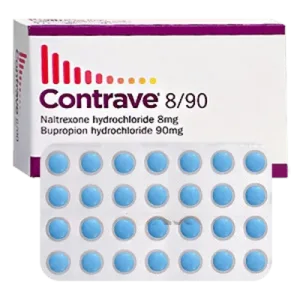
The first week was uncomfortable because I was eating too much fried food. I changed breakfast and lunch, and the oily urgency became much less frequent. Weight loss was gradual rather than dramatic.
I liked that the treatment worked in the gut and did not make me feel wired. Restaurant meals were difficult, especially sauces and fried chicken. I stopped taking doses with meals that contained almost no fat.
The scale moved slowly, but my waist measurement changed. I had bloating during the first two weeks and found that smaller meals were easier.
The bowel effects were too disruptive for my work routine. I had urgency after a takeaway meal and decided the treatment did not fit my eating pattern.