Verified
I took the 250 mg capsules for a dental infection for the prescribed course. The tooth pain eased after two days, but I still finished treatment. I had mild nausea on the first morning when I took it without food.
1 Oct 2026

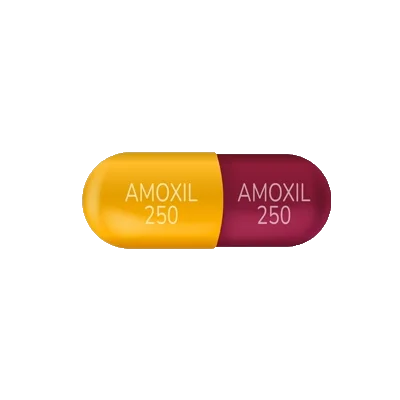
Amoxil is an amoxicillin capsule for people with susceptible bacterial infections when prescribed by a clinician. The dose is stated on the pack — follow the leaflet. It helps control infection by disrupting bacterial cell-wall formation and preventing susceptible bacteria from multiplying.
Amoxil is a penicillin-class antibiotic containing amoxicillin for susceptible bacterial infections. The capsule is used when a clinician selects this strength for conditions such as respiratory, ear, throat, dental, skin, or urinary infections; the dose is stated on the pack — follow the leaflet. Amoxicillin damages bacterial cell-wall formation, helping stop susceptible bacteria from multiplying.
Amoxil contains amoxicillin, a beta-lactam antibiotic in the penicillin family. The product form supplied here is a capsule marked 250; the dose is stated on the pack — follow the leaflet. Amoxicillin is bactericidal: it interferes with enzymes bacteria need to build and repair their protective cell wall.
The drug acts against susceptible Gram-positive and Gram-negative organisms. Its usefulness depends on the bacteria causing the infection and local resistance patterns. A sore throat, cough, or fever alone does not prove that an antibiotic is appropriate.
Amoxicillin is absorbed after oral administration and distributes into several tissues and body fluids. The kidneys remove much of the medicine, so renal function can affect dosing intervals. The FDA prescribing information describes amoxicillin as an antibacterial medicine for infections caused by susceptible organisms [1].
The appropriate dose depends on the infection, age, body weight, kidney function, and local prescribing guidance. The dose is stated on the pack — follow the leaflet. The capsule should be taken only at the dose and frequency selected for the individual prescription.
Typical prescribing principles include:
A clinician may prescribe amoxicillin several times daily for some infections. The duration varies from a short course to a longer regimen, depending on the infection site and response. Do not use the capsule to create a different dose by taking extra capsules unless that plan has been prescribed.
Amoxicillin binds to penicillin-binding proteins. These proteins help bacteria cross-link peptidoglycan, the structural material that gives the cell wall strength. When this process is disrupted, growing bacteria become unstable and may rupture.
The effect is strongest against bacteria that are actively multiplying. Amoxicillin does not treat influenza, common colds, most viral coughs, or other viral illnesses. Antibiotics also do not shorten a viral infection simply because symptoms include mucus or fever.
Amoxil may be prescribed for susceptible bacterial infections affecting the respiratory tract, ear, throat, teeth, skin, urinary system, and other tissues. The exact indication depends on the diagnosis, bacterial susceptibility, age, kidney function, and previous antibiotic exposure.
Common clinical uses include:
| Infection area | Examples of susceptible bacterial conditions |
|---|---|
| Ear, nose, throat and chest | Otitis media, sinusitis, tonsillitis, selected bronchitis and pneumonia |
| Urinary, dental and skin | Urinary tract infection, dental infection, cellulitis and other susceptible infections |
The choice of Amoxil should follow a clinical diagnosis. Some bacteria produce beta-lactamase enzymes that can inactivate amoxicillin, while resistance patterns vary between communities and regions. A culture may be useful when an infection is severe, recurrent, atypical, or slow to respond.
Amoxil and a generic amoxicillin product contain the same antibacterial active substance when the stated strength and pharmaceutical form are equivalent. Therapeutic selection depends on the prescribed strength, dosage form, excipients, patient allergies, renal function, and the infection being treated.
| Treatment category | Main pharmacological feature |
|---|---|
| Amoxil 250 mg capsule | Oral amoxicillin in a capsule dosage form |
| Generic amoxicillin | The same active antibacterial substance in an equivalent authorised form |
| Other penicillin-class options | Related beta-lactams with different activity, dosing, or allergy considerations |
A generic equivalent may have different capsule colours or inactive ingredients while retaining the same active substance and strength. That difference can matter for patients with an excipient sensitivity, but it does not automatically indicate a difference in antibacterial action. The EMA describes generic medicines through requirements concerning quality, pharmaceutical equivalence, and therapeutic comparability [2].
Amoxil is not suitable for everyone. It should not be used by a person with a previous immediate or severe allergic reaction to amoxicillin, penicillin, or another beta-lactam antibiotic.
Extra caution or dose adjustment may be needed with:
Amoxicillin may interact with warfarin and other anticoagulants by altering infection status, vitamin K balance, or anticoagulant response. Patients using anticoagulants may need closer clinical monitoring. Probenecid can raise amoxicillin concentrations by reducing renal elimination. Methotrexate toxicity may increase when renal clearance is affected.
Amoxil is not for you if you have had such a reaction, need treatment for a viral illness, or have not had a clinician assess a suspected bacterial infection. The product should not be used for a viral infection, an unexplained fever, or a past illness simply because symptoms feel similar. A penicillin allergy history must be described precisely, including the medicine involved and the reaction.
Amoxil is tolerated by many patients, yet adverse effects can occur. The most frequent problems involve the digestive system or skin.
Common effects may include:
Taking the capsule with food can reduce nausea for some people. Mild diarrhoea can occur during treatment, but watery or bloody stools, severe abdominal cramping, or diarrhoea that continues after treatment may indicate antibiotic-associated colitis.
Allergic reactions can develop rapidly. Wheezing, swelling of the lips or tongue, widespread hives, faintness, or trouble breathing requires emergency care. A rash with blistering, skin peeling, mouth ulcers, eye involvement, or fever may indicate a severe skin reaction.
One practical detail is easy to miss: a rash during amoxicillin treatment does not always mean a true penicillin allergy, especially when a viral illness is present. It still requires medical assessment before another dose is taken, because the appearance, timing, and associated symptoms guide future antibiotic decisions.
Amoxicillin can also alter intestinal bacteria and may cause candidiasis. Repeated or prolonged courses increase antibiotic exposure and can raise the risk of resistant organisms. The WHO describes antimicrobial resistance as a major public-health concern linked partly to inappropriate antibiotic use [3].
Several avoidable errors can reduce treatment success or increase harm:
A frequent misconception is that a stronger dose always produces faster recovery. The correct regimen depends on the infection and the patient’s physiology. More amoxicillin can increase adverse effects without overcoming resistance.
In clinical practice, doctors usually focus on three questions before prescribing amoxicillin: Is the illness likely bacterial, is the organism susceptible, and is this patient able to take a penicillin antibiotic safely?
A physician may choose Amoxil for a susceptible infection when oral treatment is suitable and the patient can absorb capsules. The 250 mg strength can be useful when the prescribed regimen requires that dose, including weight-based treatment in some patients. It should not be selected by self-calculating a dose from symptoms.
Treatment response also matters. Pain, fever, breathing difficulty, or swelling that worsens after treatment begins may indicate resistant bacteria, an incorrect diagnosis, a complication, or an infection requiring drainage. A review is more useful than simply extending the course.
Amoxil is not useful for viral colds or influenza because amoxicillin targets bacterial cell-wall formation. The WHO guidance available in 2025 continues to support responsible antibiotic use and avoiding antibiotics for illnesses without a bacterial indication. Fever, cough, and nasal discharge need clinical interpretation rather than automatic antibiotic treatment.
Some bacterial symptoms may start improving within a few days, although the timeline depends on the infection, bacterial susceptibility, and the patient’s immune response. FDA prescribing information reviewed in 2025 advises reassessing patients who fail to improve or who deteriorate during treatment. Worsening symptoms need clinical review rather than an unsupervised dose increase.
Amoxicillin capsules can generally be taken with food when stomach upset occurs, while water helps swallow the capsule. The EMA product information framework described in 2024 recognises that food may affect gastrointestinal tolerance even when it does not prevent oral treatment. Taking doses with a regular meal can help some patients remember them.
Take the missed capsule when remembered unless the next scheduled dose is close, then skip the missed dose and return to the prescribed timetable. NHS antimicrobial advice published in 2024 recommends avoiding double doses because they increase adverse effects without reliably improving antibacterial activity. Persistent missed doses may require advice about whether the course should be adjusted.
Yes. Amoxicillin can cause immediate reactions such as hives, facial swelling, wheezing, or collapse, as well as delayed skin reactions. The FDA safety information reviewed in 2025 treats breathing difficulty, swelling, and severe skin changes as urgent warning signs. A previous serious reaction to penicillin is a contraindication unless a specialist has established another safe plan.
Amoxicillin may be used for a urinary tract infection when the causative bacterium is susceptible and the clinician selects it. Local resistance patterns and urine culture results can affect this decision, as reflected in EMA antimicrobial prescribing principles from 2024. Burning urination with fever, flank pain, vomiting, or pregnancy requires prompt medical assessment.
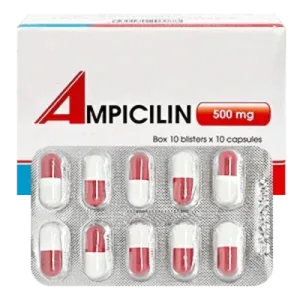
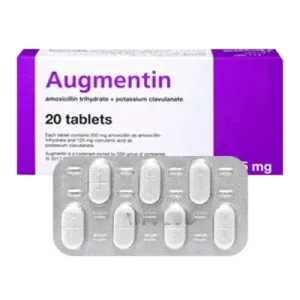
Your order will be securely packed and shipped within 24 hours. This is exactly what your package will look like (images of an actual item sent). It has the size and look of a regular private letter (24x11x0.7 cm) and its contents cannot be seen.

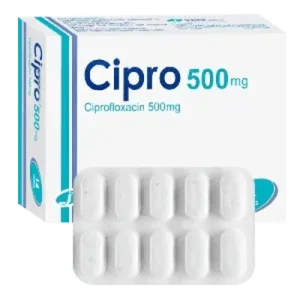
I took the 250 mg capsules for a dental infection for the prescribed course. The tooth pain eased after two days, but I still finished treatment. I had mild nausea on the first morning when I took it without food.
The sinus symptoms improved during the first week. I missed one capsule during work and took the next dose at the usual time rather than doubling it. Loose stools continued for several days, which was the part I found most inconvenient.
Amoxil helped my throat infection, and I had no rash or stomach problems. I kept the doses beside my water bottle so I would not forget them.
I developed an itchy rash after starting treatment and stopped taking further capsules until I received medical advice. The clinician documented the reaction because I had never had a penicillin reaction before.