Verified
I took the capsules between meals for a urinary infection. The burning eased after several days, but I still finished the prescribed course. I noticed loose stools near the end, which settled after treatment.
27 Oct 2026

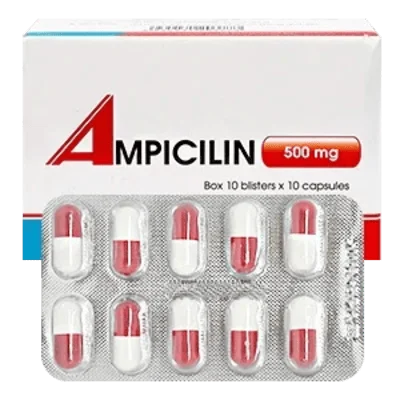
Ampicillin is an oral penicillin antibiotic for people with susceptible bacterial infections. It may be prescribed for selected respiratory, urinary, gastrointestinal, reproductive-tract, or specialist meningitis infections. Its antibacterial benefit comes from blocking bacterial cell-wall formation.
Ampicillin is a penicillin-class antibiotic used for susceptible bacterial infections, including selected respiratory, urinary, gastrointestinal, and reproductive-tract infections. It may also be used in specialist treatment of meningitis. Ampicillin works by blocking bacterial cell-wall formation, so it does not treat colds, influenza, or other viral illnesses.
The product sold on this page is Ampicillin capsules. The active pharmaceutical ingredient is ampicillin, a penicillin-class antibacterial agent. The dose is stated on the pack — follow the leaflet.
The exact regimen must come from the prescriber because ampicillin dosing varies substantially between infections. Common clinical factors include:
For oral Ampicillin capsules:
The dose is stated on the pack — follow the leaflet. It does not determine the correct number of capsules per day for every infection.
Ampicillin reaches the bloodstream after oral administration, with lower absorption when taken with meals. The kidneys remove much of the medicine, so people with reduced renal function may require an adjusted schedule.
Ampicillin is a bactericidal penicillin antibiotic. Its chemical structure is related to the penicillin family, with an aminobenzylpenicillin side chain that broadens activity against selected organisms compared with narrower natural penicillins.
Bacteria need a strong cell wall to maintain their shape and survive changes in pressure. Ampicillin attaches to penicillin-binding proteins, or PBPs. These proteins normally join strands of peptidoglycan, the structural material of the bacterial wall. When Ampicillin blocks PBPs, the wall becomes unstable and the growing bacterium can rupture.
This action differs from bacteriostatic antibiotics, which mainly slow bacterial multiplication rather than directly causing bacterial death. The clinical result still depends on bacterial susceptibility, the concentration reached at the infection site, immune function, and adherence to the prescribed schedule.
Resistance can develop through beta-lactamase production, altered PBPs, or reduced entry into the bacterial cell. A laboratory susceptibility report is useful when symptoms are severe, treatment fails, or resistant bacteria are suspected. The FDA prescribing information describes ampicillin’s activity as dependent on susceptible organisms and appropriate clinical selection [2].
Ampicillin belongs to the aminobenzylpenicillin group. It is prescribed when the suspected or confirmed bacteria are susceptible to it, with treatment choice guided by the infection site, local resistance patterns, culture results, and clinical severity.
Ampicillin may be used for bacterial infections involving:
The medicine is not appropriate for every bacterial infection. Some organisms produce beta-lactamase enzymes that can inactivate ampicillin, while other bacteria have natural resistance. A culture and susceptibility test can help identify whether the organism is likely to respond.
| Ampicillin may treat | Ampicillin does not treat |
|---|---|
| Susceptible bacterial throat, lung, urinary, gastrointestinal, reproductive-tract infections, and selected meningitis cases | Colds, influenza, COVID-19, and other viral infections |
Antibiotic stewardship means using Ampicillin only when a bacterial infection is suspected or confirmed. Taking an antibiotic for a viral sore throat does not shorten the illness and can expose the person to adverse effects without treating its cause. The WHO describes appropriate antibiotic selection, dose, route, and duration as core elements of responsible antimicrobial use [1].
The choice of Ampicillin depends on the identified organism. Enterococci, streptococci, and some other susceptible Gram-positive bacteria may respond, while activity against Gram-negative organisms varies by species and resistance mechanism.
Meningitis requires urgent hospital treatment. Oral capsules are not a substitute for the intravenous antibiotics used when meningitis, sepsis, or another severe systemic infection is suspected. Severe headache, neck stiffness, confusion, seizures, breathing difficulty, or a rapidly worsening illness require emergency medical assessment.
Ampicillin can also be used for selected urinary, respiratory, gastrointestinal, or reproductive-tract infections when the responsible bacteria are susceptible. Symptoms may improve before the infection has been fully eradicated, so stopping early can allow the illness to return and may contribute to resistance.
Ampicillin has no antibacterial action against viruses. It will not treat a common cold, influenza, most uncomplicated viral sore throats, or viral bronchitis. The Centers for Disease Control and Prevention (CDC) also advises that antibiotics do not treat viral infections.
Green or yellow mucus alone does not prove that an illness needs an antibiotic. A clinician may consider duration, fever, examination findings, oxygen level, chest signs, urine testing, or microbiology results before selecting treatment.
Ampicillin is an oral penicillin-class antibiotic that works by blocking bacterial cell-wall formation. It differs from non-antibacterial approaches because it is intended for susceptible bacterial infections, not viral illnesses.
Ampicillin is not suitable for you if you have had a serious immediate reaction to ampicillin, penicillin, or another beta-lactam antibiotic. Examples include anaphylaxis, breathing difficulty, throat swelling, severe hives, or collapse after a previous dose.
Extra caution is needed with:
A previous mild delayed rash is not equivalent to anaphylaxis, but it should still be reported before treatment. The prescriber may need to clarify the reaction, review past records, or select a supervised alternative.
Ampicillin should not be combined casually with another antibiotic. More treatment does not automatically mean better treatment and may increase diarrhea, allergic reactions, and resistance pressure.
Do not take Ampicillin if you have ever had a serious immediate reaction to penicillin, ampicillin, or another beta-lactam antibiotic. Tell the prescriber before treatment if you have kidney problems, a previous severe antibiotic allergy, infectious mononucleosis, previous antibiotic-associated colitis, or are pregnant or breastfeeding.
Ampicillin can cause gastrointestinal and skin reactions. The degree of risk varies with the person, the dose, the infection, and exposure to related penicillin antibiotics.
Common or clinically recognized reactions include:
Mild nausea may be easier to manage by taking the capsule with a full glass of water and avoiding heavy meals around the dose. Do not use anti-diarrheal medicines for severe or persistent diarrhea without specific medical advice, because antibiotic-associated colitis can require different treatment.
A widespread rash, facial swelling, wheezing, throat tightness, faintness, or sudden difficulty breathing may indicate an immediate hypersensitivity reaction. Stop taking further doses and seek emergency care if these symptoms occur.
Watery or bloody diarrhea during treatment or in the weeks after it can be associated with Clostridioides difficile infection. This requires prompt medical assessment, especially when accompanied by abdominal pain or fever.
The FDA label identifies hypersensitivity reactions, gastrointestinal effects, and antibiotic-associated colitis among the clinically relevant risks of ampicillin [3].
Precise frequency figures differ between oral products, studies, and patient groups. Nausea, diarrhea, and rash are more common concerns than severe allergic reactions, yet a rare reaction can be medically urgent.
A mild isolated loose stool is different from repeated watery diarrhea with cramps or blood. A few itchy spots are different from hives with swelling of the lips or tongue. The pattern and speed of symptoms matter.
Several avoidable errors can reduce the benefit of Ampicillin:
One overlooked detail is vomiting. If vomiting occurs soon after a capsule, absorption may be incomplete, and repeating the dose without guidance can create an unintended double dose. The appropriate response depends on the time elapsed and the prescribed schedule.
In clinical practice, doctors usually judge Ampicillin by three questions: is the illness bacterial, is the organism susceptible, and can the patient take the medicine at the prescribed interval?
A physician would also distinguish an infection that needs oral treatment from one that requires hospital assessment. Fever with confusion, low blood pressure, breathing difficulty, dehydration, severe flank pain, or suspected meningitis should not be managed with oral capsules alone.
Doctors often see treatment failure caused by resistance rather than by a “weak” antibiotic. Other common explanations include missed doses, vomiting soon after administration, poor absorption with meals, an abscess requiring drainage, or an infection caused by a virus.
The clinical response should be assessed during treatment. Persistent fever, worsening pain, new breathing problems, or no meaningful improvement should prompt reassessment rather than self-directed dose escalation.
Ampicillin begins acting against susceptible bacteria after it is absorbed, but symptom improvement depends on the infection site and severity. The FDA reference information from 2017 describes clinical response as dependent on organism susceptibility and adequate exposure, rather than on a fixed number of hours. A person who is worsening or showing no meaningful improvement needs reassessment instead of extra capsules.
No. Ampicillin acts on susceptible bacteria and has no activity against influenza viruses, cold viruses, or other viral pathogens. WHO antimicrobial stewardship guidance published in 2023 supports avoiding antibiotics when a bacterial infection is not present. Viral symptoms that become severe or prolonged may still require medical evaluation for complications.
Ampicillin may be prescribed during pregnancy when a clinician decides that treatment of a susceptible bacterial infection is needed. The EMA’s 2018 penicillin safety information supports considering the benefit of treating infection alongside the individual pregnancy context. Pregnancy, planned pregnancy, and breastfeeding should be disclosed before the regimen is selected.
Ampicillin is not generally classified with the antibiotics proven to induce contraceptive enzyme breakdown. The FDA contraceptive interaction evidence indicates that vomiting, severe diarrhea, or missed contraceptive doses can create the practical risk of reduced protection. Backup contraception may be needed in those circumstances or when specifically advised for the treatment plan.
Take the missed capsule when remembered unless the next scheduled dose is close. The FDA medication guidance advises avoiding two doses together because a double dose does not restore the intended timing and may worsen nausea or diarrhea. A written schedule can help when the prescribed regimen has several daily doses.
Yes. Ampicillin may cause a mild delayed rash, hives, or a more serious immediate allergic reaction. Clinical safety information from the FDA in 2017 distinguishes ordinary skin reactions from urgent symptoms such as facial swelling, wheezing, throat tightness, or collapse. Emergency care is needed for those severe symptoms.
Ampicillin can be part of specialist treatment for selected bacterial meningitis cases, including situations where susceptible organisms are suspected. WHO clinical guidance from 2023 treats meningitis as an emergency requiring hospital assessment, diagnostic testing, and intravenous therapy. Oral capsules are not adequate management for suspected meningitis.
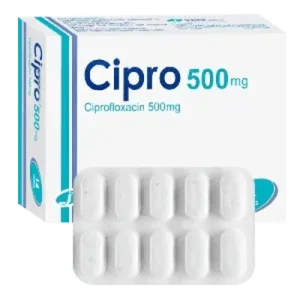
Your order will be securely packed and shipped within 24 hours. This is exactly what your package will look like (images of an actual item sent). It has the size and look of a regular private letter (24x11x0.7 cm) and its contents cannot be seen.
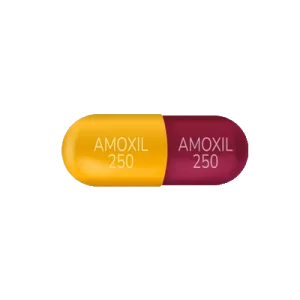
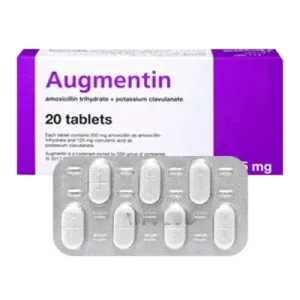

Another mistake is storing capsules in a bathroom with frequent heat and humidity. Medicines should be kept in a dry place at the storage conditions specified for the product, away from children and animals.
I took the capsules between meals for a urinary infection. The burning eased after several days, but I still finished the prescribed course. I noticed loose stools near the end, which settled after treatment.
The first doses caused nausea when I took them with breakfast. Moving the doses away from meals and using more water helped. I did not have to stop treatment.
A rash appeared after a few days, so I stopped taking further capsules and contacted the clinic. The doctor reviewed it as a possible penicillin reaction and changed the treatment.
The symptoms improved slowly rather than overnight. I had missed two doses early on, so keeping a written schedule made the rest of the course easier.