Verified
The first two weeks brought loose stools and mild nausea. Those symptoms settled after I began taking the tablet after breakfast. By the third month, my hands felt less stiff in the morning.
23 Oct 2026

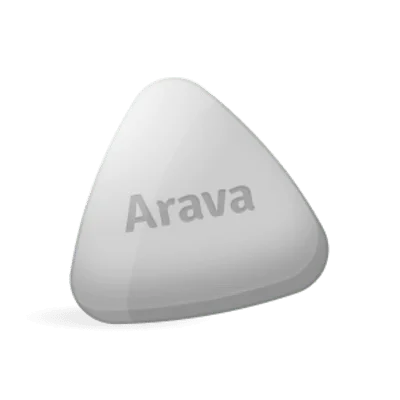
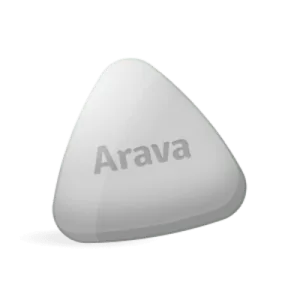
Arava is a prescription medicine for adults with active rheumatoid arthritis or psoriatic arthritis. Its active ingredient, leflunomide, is a conventional disease-modifying antirheumatic drug that reduces immune activity involved in joint inflammation.
Arava is a prescription disease-modifying antirheumatic drug containing leflunomide for adults with active rheumatoid arthritis or psoriatic arthritis. The dose is stated on the pack — follow the leaflet. Leflunomide reduces immune-cell activity involved in joint inflammation and can slow structural damage rather than providing only short-term pain relief.
Arava tablets contain leflunomide, an immunomodulatory medicine in the conventional synthetic DMARD group. DMARD means disease-modifying antirheumatic drug. Unlike a simple analgesic, a DMARD is intended to influence the inflammatory disease process and protect joint function over time.
Leflunomide is used in adult rheumatology for active rheumatoid arthritis and active psoriatic arthritis. Treatment requires regular clinical monitoring because the medicine can affect the liver, blood-cell production, immune response, and pregnancy safety.
The dose is stated on the pack — follow the leaflet. Some treatment plans begin with a loading regimen before the maintenance dose, while others avoid the loading dose when tolerability is a concern.
Arava tablets are taken orally, usually once daily. The dose is stated on the pack — follow the leaflet. A loading regimen may be used in some treatment plans, followed by the maintenance dose; clinicians may omit the loading regimen when a slower start is preferable.
A reduced maintenance dose may be considered when the prescribed dose causes tolerability problems, but this decision belongs to the prescriber. The FDA prescribing information specifies liver monitoring and blood-pressure checks during treatment [2].
Leflunomide is converted in the body to its active metabolite, teriflunomide. This metabolite inhibits dihydro-orotate dehydrogenase, an enzyme needed for de novo pyrimidine synthesis.
Pyrimidines are building blocks required for DNA and RNA production. Activated lymphocytes need rapid nucleotide production when they multiply during an autoimmune response. By reducing pyrimidine availability, leflunomide limits the expansion of certain activated T and B lymphocytes.
The result is immunomodulation rather than complete immune-system suppression. In practical terms, the medicine reduces part of the immune activity that maintains synovial inflammation. The European Medicines Agency describes Arava as a treatment for active rheumatoid arthritis and active psoriatic arthritis in adults [1].
The long half-life of the active metabolite explains why leflunomide can remain in the body for an extended period after treatment stops. A drug-elimination procedure may be required when rapid removal is medically necessary, such as severe toxicity or pregnancy planning.
Rheumatoid arthritis is an autoimmune inflammatory disease in which the immune system attacks the lining of joints. Persistent inflammation can cause pain, swelling, morning stiffness, reduced movement, and progressive joint damage.
Psoriatic arthritis is an inflammatory arthritis associated with psoriasis. It may affect the fingers, toes, spine, tendon attachments, or several joint groups at the same time.
Arava may be prescribed when active inflammatory arthritis requires a conventional DMARD. The aim is to reduce disease activity, limit swelling and tenderness, preserve physical function, and slow damage visible on clinical examination or imaging.
Treatment response varies. Some people notice improved stiffness and swelling within the first several weeks, while disease control may take longer. Early symptom change does not always indicate sustained disease control. Follow-up assessment helps distinguish temporary relief from lasting improvement. A rheumatologist may combine leflunomide with another antirheumatic strategy when one medicine does not control inflammation adequately.
Arava belongs to the conventional synthetic DMARD category. This class is used to modify inflammatory arthritis over months and years, while symptomatic medicines mainly reduce pain or stiffness without controlling the underlying immune process.
| Treatment category | Main role | Main limitation |
|---|---|---|
| Leflunomide DMARD | Reduces immune-driven inflammation and may slow joint damage | Requires liver, blood-count, infection, and pregnancy precautions |
| Methotrexate DMARD | Common foundation treatment for several inflammatory arthritides | Can cause liver, blood-count, lung, or gastrointestinal problems |
| Targeted biologic or synthetic DMARD | Acts on a defined immune pathway when conventional therapy is insufficient | Greater monitoring burden and infection-related precautions |
Leflunomide may suit adults who need a conventional DMARD and cannot use, tolerate, or adequately respond to another option. Methotrexate may be selected more often in some treatment pathways, while biologic or targeted medicines may be considered after inadequate response to conventional DMARD therapy.
The comparison is clinical, not a ranking. The right choice depends on diagnosis, disease severity, liver and kidney health, pregnancy plans, infection history, blood-test results, and previous treatment response.
The medicine should not be used in the following situations:
Important interaction groups include:
The WHO describes immunosuppressive and immunomodulatory treatment as a factor that can alter infection risk and vaccination decisions [3].
Arava is not for you if you are pregnant or breastfeeding, have serious liver problems, a severe infection, or a serious condition affecting your immune system or bone marrow. It may also be unsuitable if you have very low blood-cell counts, are allergic to leflunomide or teriflunomide, or already take teriflunomide.
Tell your doctor before treatment if you have had tuberculosis exposure, hepatitis, recurrent infections, or significant lung disease. Women who could become pregnant need reliable contraception, and anyone planning pregnancy should speak with a clinician before taking the medicine. Alcohol should be limited or avoided because it can add stress to the liver.
Common adverse effects include diarrhoea, nausea, indigestion, headache, hair thinning, skin rash, and mild increases in blood pressure. Some patients find gastrointestinal effects most noticeable during the first weeks.
Liver injury is a major safety concern. The risk can increase with alcohol use or other medicines that affect the liver. Blood tests commonly include alanine aminotransferase and other liver-function measurements.
Contact the prescribing service promptly for:
Hair thinning can be distressing but may improve after treatment adjustment or discontinuation. Diarrhoea should not be ignored if it is persistent, causes dehydration, or occurs with fever.
Several avoidable errors can reduce treatment quality or increase risk:
In clinical practice, rheumatologists usually judge Arava by disease activity rather than by pain relief during the first few days. A reduction in swollen joints and morning stiffness is more meaningful than a single comfortable day.
Doctors also pay attention to laboratory trends. A mildly abnormal liver result may require repeat testing, while a substantial or persistent rise can require treatment interruption and drug elimination. Regular blood pressure checks are useful because hypertension may develop during therapy.
Another practical point concerns the medicine’s persistence. A patient who stops Arava because of a serious adverse effect may still have active metabolite in the body. The elimination procedure uses medicines such as cholestyramine or activated charcoal under medical supervision.
Rheumatology guidelines from the American College of Rheumatology place conventional DMARDs within structured, treat-to-target care, where therapy is adjusted according to disease activity and response [4].
No. Arava contains leflunomide, a conventional synthetic DMARD rather than a corticosteroid. It changes selected immune-cell activity and is used for long-term inflammatory arthritis control. The EMA identifies leflunomide as the active substance responsible for Arava’s therapeutic action. The EMA product information available in 2025 supports this classification.
Improvement often develops over several weeks, while fuller disease control may take longer. The timing depends on arthritis severity, previous treatment, adherence, and whether another DMARD is being used. FDA-reviewed prescribing information describes Arava as a continuing treatment rather than an as-needed medicine. The FDA prescribing information available in 2024 supports this dosing approach.
Yes. Arava can generally be taken with or without food, provided it is taken consistently once daily. Taking it after food may make nausea easier for some people, although persistent gastrointestinal symptoms require medical review. The European Medicines Agency product information supports oral administration without a food-specific restriction. The EMA product information available in 2025 confirms this administration guidance.
No. Leflunomide may cause serious fetal harm and requires pregnancy precautions during treatment. Anyone who becomes pregnant while taking Arava needs prompt medical assessment, and a drug-elimination procedure may be required. WHO immunisation and medication-safety principles support individual planning when immune-modifying therapy is used during reproductive years. WHO guidance available in 2023 supports this individualized safety planning.
Yes. Monitoring generally includes liver enzymes, complete blood counts, and blood pressure, especially during the early months or after a treatment change. The frequency depends on clinical circumstances and local rheumatology practice. NICE guidance for rheumatoid arthritis supports regular safety monitoring for conventional DMARD treatment [5]. NICE guidance published in 2020 provides this monitoring framework.
The medicine may need to be stopped, and the active metabolite may need to be removed rapidly with a prescribed elimination procedure. Warning signs include jaundice, severe rash, breathing difficulty, serious infection, major blood-count changes, or marked liver-test abnormalities. The FDA label describes cholestyramine or activated charcoal as options used for accelerated elimination under medical supervision. The FDA prescribing information available in 2024 supports these elimination options.
Your order will be securely packed and shipped within 24 hours. This is exactly what your package will look like (images of an actual item sent). It has the size and look of a regular private letter (24x11x0.7 cm) and its contents cannot be seen.
The first two weeks brought loose stools and mild nausea. Those symptoms settled after I began taking the tablet after breakfast. By the third month, my hands felt less stiff in the morning.
I expected the tablets to work like a painkiller and became discouraged early on. My swollen fingers improved later, but I needed regular blood tests and had to be more careful with alcohol.
Joint tenderness improved enough for me to walk more comfortably. Hair shedding became noticeable, so my rheumatologist reviewed the treatment and monitored my blood results.
The medicine reduced morning stiffness, but diarrhoea remained troublesome. The treatment was changed after discussion rather than simply stopping it at home.