The first week brought nausea after breakfast, so I changed the timing to my main meal. That settled within several days. Joint stiffness improved slowly, and I noticed the change more clearly after about the third month.
Plaquenil
Plaquenil is an oral hydroxychloroquine sulfate medicine for people who need treatment or prevention of susceptible malaria or control of inflammatory autoimmune disease. It helps regulate abnormal immune activity and interferes with malaria parasites.
Description
Plaquenil is a prescription medicine containing hydroxychloroquine sulfate. It is used for malaria prevention and treatment, systemic or discoid lupus erythematosus, and rheumatoid arthritis.
Composition
Plaquenil contains hydroxychloroquine sulfate and is supplied as oral tablets. The dose is stated on the pack — follow the leaflet. It belongs to two pharmacological groups:
- Antimalarial medicines, used against susceptible Plasmodium parasites.
- Disease-modifying antirheumatic drugs, or DMARDs, used to control inflammatory autoimmune diseases.
Plaquenil is a prescription treatment. The same active compound is also available as generic hydroxychloroquine, with the therapeutic effect determined by the active ingredient, strength, dosage, and quality of the formulation rather than by the product name alone. Hydroxychloroquine is included in regulatory prescribing information reviewed by the FDA and other medicines authorities [1].
A dose should be selected according to the condition being treated, body weight, kidney function, age, and the presence of other medicines. The dose is stated on the pack — follow the leaflet.
Pharmacological classification and generic availability
Hydroxychloroquine is related chemically to chloroquine, but the two medicines are not interchangeable without a prescriber’s calculation. Plaquenil works gradually in autoimmune disease. It does not provide the rapid pain relief associated with an anti-inflammatory painkiller.
For lupus and rheumatoid arthritis, the purpose is disease control. The medicine may reduce inflammatory activity, joint symptoms, skin manifestations, and flare frequency over time. The response is usually measured over several weeks or months rather than after one tablet.
Dosage and usage
Plaquenil tablets are taken by mouth. The prescribed schedule depends on the indication and the patient’s clinical factors. The dose is stated on the pack — follow the leaflet.
For adult autoimmune treatment, the exact regimen is determined by the prescriber and product leaflet:
- Rheumatoid arthritis: follow the prescribed regimen stated on the pack and in the leaflet.
- Systemic lupus erythematosus: follow the prescribed regimen stated on the pack and in the leaflet.
- Malaria prevention: follow the prescribed travel-related schedule stated on the pack and in the leaflet.
- Malaria treatment: follow the separate treatment regimen stated on the pack and in the leaflet.
The long-term regimen for retinal safety is determined by the prescriber according to the product information and the patient’s clinical factors. Kidney impairment can increase exposure and may require a tailored regimen.
Never double a missed dose. If the next scheduled dose is close, the missed dose is usually skipped and the regular schedule resumed; the prescriber’s specific instruction takes priority for malaria treatment.
Dosing variations by clinical indication
Autoimmune treatment is usually continuous, while malaria prophylaxis follows a travel schedule and malaria treatment follows a separate structured course. These regimens must not be substituted for one another.
Patients with kidney disease, liver disease, porphyria, psoriasis, glucose-6-phosphate dehydrogenase deficiency, or a history of heart rhythm problems need a tailored assessment. A lower dose may be appropriate even when the usual adult dose appears suitable.
Plaquenil is not a replacement for urgent malaria care. Fever during or after travel to a malaria region requires prompt medical assessment, even when prophylaxis was taken correctly.
How it works
Hydroxychloroquine accumulates inside acidic cell compartments called lysosomes and endosomes. By raising their internal pH, it changes antigen processing and reduces the activation of immune pathways involved in inflammation.
The medicine can reduce signalling linked with toll-like receptors and lower the production of inflammatory cytokines. This helps explain its value in lupus and rheumatoid arthritis, where abnormal immune activation contributes to tissue inflammation.
In malaria parasites, hydroxychloroquine interferes with haemoglobin digestion and the handling of toxic haem by susceptible organisms. The parasite becomes unable to manage the by-products created while digesting red-cell haemoglobin.
Role as a disease-modifying antirheumatic drug
DMARDs work on disease activity rather than only masking pain. Plaquenil differs from non-steroidal anti-inflammatory drugs, which can ease pain and swelling but do not provide the same disease-modifying role.
Indications
Plaquenil has established uses in malaria and autoimmune inflammatory disease. The correct regimen differs substantially between these conditions.
Treatment plans should match the diagnosis. Autoimmune regimens are usually daily. Some malaria prevention regimens are weekly. Confirmed malaria needs a separate treatment course. The prescriber should verify the regimen before use.
| Clinical use | Main treatment goal | Monitoring focus |
|---|---|---|
| Malaria prevention or treatment | Prevent or clear susceptible Plasmodium infection | Travel region, parasite susceptibility, treatment response |
| Systemic or discoid lupus erythematosus | Reduce inflammatory activity and disease flares | Eye health, blood tests, disease activity |
| Rheumatoid arthritis | Control inflammation and preserve function | Eye health, joint response, adverse effects |
Autoimmune indications in rheumatology and dermatology
Rheumatologists use hydroxychloroquine as a baseline DMARD for systemic lupus erythematosus and rheumatoid arthritis. Dermatologists may use it for cutaneous or discoid lupus, where inflammatory skin lesions can improve gradually.
Plaquenil does not remove established joint damage. Its role is to reduce disease activity and help prevent further inflammatory injury when treatment is maintained. Some patients need additional DMARDs because hydroxychloroquine alone does not control moderate or severe disease.
The medicine may be continued for years when the benefit remains greater than the risk. This makes retinal screening, dose review, and attention to new visual symptoms essential.
Antimalarial prophylaxis and treatment
Hydroxychloroquine acts against susceptible erythrocytic forms of Plasmodium, including some strains of Plasmodium vivax and Plasmodium falciparum. Resistance patterns differ between regions, so malaria prevention is selected according to the destination and local public-health guidance.
Hydroxychloroquine is not suitable for every malaria area. A traveller’s itinerary, length of stay, medical history, and parasite resistance pattern affect the choice of prophylaxis. Treatment of confirmed malaria also requires species identification and clinical assessment.
Comparison
Plaquenil is an oral, single-ingredient prescription medicine that combines antimalarial activity with immune-modulating treatment for inflammatory autoimmune disease. Its regimen is selected according to the clinical goal rather than using one schedule for every condition.
Contraindications
Plaquenil is not suitable for everyone. The medication is not for you if you have:
- A known allergy to hydroxychloroquine, related 4-aminoquinoline medicines, or an excipient in the tablet.
- Existing maculopathy or retinal disease that makes treatment unsafe.
- A serious untreated heart-rhythm disorder or a high-risk combination of QT-prolonging medicines.
- Severe kidney or liver impairment without an individualised dose plan.
- A history of severe blood, muscle, or neurological toxicity linked to hydroxychloroquine.
Important interactions include:
- Digoxin: hydroxychloroquine may increase digoxin exposure, requiring concentration and clinical monitoring.
- Insulin and other glucose-lowering medicines: blood sugar may fall more than expected.
- Antacids containing aluminium or magnesium: separate administration as directed because absorption may be reduced.
- Tamoxifen: combined use can increase retinal toxicity risk.
- Medicines that prolong the QT interval: combined use may increase the risk of dangerous rhythm disturbances.
- Some antiepileptic medicines: hydroxychloroquine may affect seizure control or add neurological risk.
- Methotrexate and other immunomodulators: combined treatment may be appropriate in rheumatology but requires monitoring for additive toxicity.
Pregnancy and breastfeeding require an individual benefit–risk assessment.
When this is not for you
This medicine may not be right for you if you have serious eye disease, significant kidney or liver problems, heart-rhythm concerns, or a previous severe reaction to hydroxychloroquine. Tell your prescriber if you take digoxin, tamoxifen, insulin, antacids containing aluminium or magnesium, antiarrhythmics, or other medicines that can affect heart rhythm. Pregnancy and breastfeeding also need an individual review, and long-term lupus treatment should not be stopped suddenly without medical guidance.
Side effects
The most frequent short-term effects involve the digestive system. Possible reactions include nausea, stomach pain, diarrhoea, reduced appetite, headache, dizziness, and skin itching or rash.
Taking the tablet with food may help nausea. Persistent diarrhoea, repeated vomiting, or inability to maintain the prescribed schedule should be reported promptly because missed doses can reduce treatment control.
Serious reactions are less common but require rapid attention:
- New blurred vision, difficulty reading, changes in colour perception, or missing areas of vision.
- Fainting, palpitations, unexplained breathlessness, or swelling of the legs.
- Severe muscle weakness or unusual fatigue.
- Extensive blistering, mouth ulcers, facial swelling, or a rapidly spreading rash.
- Confusion, seizures, or severe changes in blood sugar.
Ophthalmological monitoring and retinal toxicity
Retinal toxicity can cause irreversible visual loss. The risk rises with cumulative exposure, treatment beyond five years, excessive daily dosing, kidney impairment, tamoxifen use, and pre-existing retinal disease.
A baseline eye assessment is generally arranged near the start of long-term treatment. Annual screening becomes important when risk factors are present and is commonly continued after five years of treatment. Tests may include visual-field assessment and retinal imaging such as optical coherence tomography.
Do not wait for obvious vision loss. Early retinal injury can be symptom-free, and treatment decisions are safer when changes are identified before advanced damage develops.
Cardiac and dermatological safety concerns
Hydroxychloroquine can rarely affect cardiac conduction and may contribute to QT prolongation, cardiomyopathy, or heart failure. The risk deserves extra attention in people with existing heart disease or those taking other medicines that prolong the QT interval.
Long-term exposure has also been associated with muscle weakness and cardiomyopathy. New breathlessness when lying down, ankle swelling, fainting, or persistent racing heartbeat needs urgent assessment.
Skin reactions range from mild itching to severe blistering reactions. Plaquenil may also worsen psoriasis in some patients. Sun protection is useful for lupus-related photosensitivity, but it does not replace disease treatment.

Common mistakes
Several practical mistakes can reduce benefit or increase harm:
- Taking a malaria-prevention schedule when the destination has resistant parasites.
- Using the rheumatoid arthritis dose for malaria, or using a malaria regimen for lupus.
- Taking extra tablets after a missed dose.
- Ignoring blurred vision because it appears mild or intermittent.
- Failing to mention tamoxifen, digoxin, insulin, antiarrhythmics, or other long-term medicines.
- Continuing the same dose after major weight loss or a decline in kidney function.
- Stopping Plaquenil immediately after symptoms improve.
- Treating fever after travel as a minor side effect instead of considering malaria.
- Assuming that a normal eye examination removes the need for future screening.
- Taking aluminium- or magnesium-containing antacids at the same time without spacing the doses.
One detail patients often overlook is that retinal risk relates to actual body weight and cumulative exposure, not simply to whether the tablet says 200 mg. Another is that kidney impairment can increase hydroxychloroquine exposure even when the daily tablet count has not changed.
What doctors say
In clinical practice, rheumatologists often regard hydroxychloroquine as a useful long-term foundation for lupus care because it can control disease activity without the same steroid burden associated with repeated corticosteroid courses. Its benefit is strongest when dosing remains appropriate and monitoring continues.
A physician will usually assess symptoms, physical findings, blood results, kidney function, medication interactions, and eye health together. A normal blood test does not prove that the medicine can be stopped, just as persistent fatigue does not automatically mean that the drug has failed.
For rheumatoid arthritis, ongoing swollen joints may signal the need for an additional or different DMARD. For lupus, new chest pain, breathlessness, kidney symptoms, neurological symptoms, or severe rash can indicate organ involvement requiring urgent evaluation.
The main limitation is time. Plaquenil is not a fast analgesic, and some patients experience gastrointestinal effects before any improvement in inflammation appears. Retinal risk also means that the lowest suitable long-term dose should be maintained.
Frequently asked questions
How long does Plaquenil take to work for lupus or rheumatoid arthritis?
Hydroxychloroquine often requires several weeks before early improvement appears, with fuller assessment commonly taking several months. The 2023 FDA prescribing information describes Plaquenil as a long-term treatment for selected autoimmune disease rather than an immediate pain reliever. Response is judged through symptoms, examination, laboratory findings, and flare patterns rather than one isolated day .
Does Plaquenil require regular eye examinations?
Yes. Long-term hydroxychloroquine treatment requires retinal-risk assessment and appropriate ophthalmological screening. The American Academy of Ophthalmology’s 2016 recommendations identify daily dose, treatment duration, kidney disease, tamoxifen exposure, and retinal disease as major risk considerations. Screening may detect early changes before noticeable vision loss develops [2].
Can Plaquenil be taken with food?
Yes. Taking hydroxychloroquine with food or milk can reduce nausea and stomach discomfort. The 2023 FDA label permits administration with food, and this timing is commonly used in clinical practice for better tolerability. Antacids containing aluminium or magnesium may need to be separated from the tablet because they can reduce absorption .
Is Plaquenil used to prevent malaria in every country?
No. Suitability depends on the malaria species and resistance pattern in the destination. The 2023 WHO malaria guidance explains that prevention must be matched to the travel region, and hydroxychloroquine is unsuitable where resistant parasites are prevalent. Fever during or after travel still requires urgent medical assessment, even after prophylaxis [3].
Can Plaquenil affect the heart?
Rarely, hydroxychloroquine can contribute to QT prolongation, conduction problems, or cardiomyopathy. Risk increases with pre-existing heart disease, kidney impairment, high cumulative exposure, and combinations with other QT-prolonging medicines. The 2023 FDA label describes these risks and supports careful review of cardiac symptoms and interacting medicines .
Is hydroxychloroquine recommended for COVID-19?
Hydroxychloroquine is not recommended for routine prevention or treatment of COVID-19. The FDA withdrew its emergency use authorisation in 2020 after clinical evidence failed to show a dependable clinical benefit, while rhythm-related risks remained. WHO recommendations have also advised against routine use for COVID-19 outside research settings .
What happens if a Plaquenil dose is missed?
The missed dose should not usually be replaced by taking two doses together. For a regular autoimmune schedule, the next dose is generally taken at the normal time if the missed dose is remembered late. The 2023 FDA prescribing information and WHO malaria guidance show that malaria treatment and prophylaxis have different timing requirements, so a prescriber or medicines service should provide the specific instruction for that regimen.
Do you offer anonymous delivery?
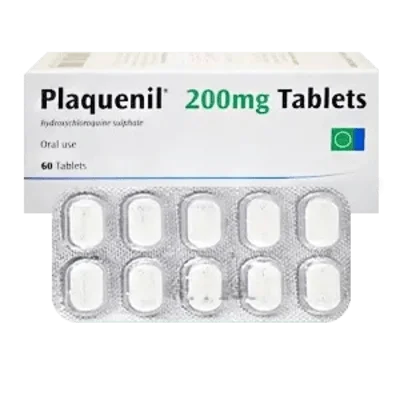
Your order will be securely packed and shipped within 24 hours. This is exactly what your package will look like (images of an actual item sent). It has the size and look of a regular private letter (24x11x0.7 cm) and its contents cannot be seen.
Comparison
Compare all medications for Rheumatoid ArthritisPlaquenil: Reviews and Experiences
Plaquenil reduced my lupus flares, and I needed fewer short steroid courses. The eye appointments were inconvenient, but the retinal scans were reassuring and became part of my routine.
I did not feel better quickly. Headaches and loose stools made the first fortnight difficult, and my rheumatologist reviewed the dose rather than telling me to push through it. The stomach symptoms later became manageable.
I took the tablets with food during travel and had no major problems. The weekly schedule was easy to forget, so I used a calendar reminder and kept the travel dates written with the medication plan.
Sources
- U.S. Food and Drug Administration (2023). PLAQUENIL (hydroxychloroquine sulfate) tablets, prescribing information.
- American Academy of Ophthalmology (2016). Recommendations on Screening for Chloroquine and Hydroxychloroquine Retinopathy.
- U.S. Food and Drug Administration (2020). Revocation of Emergency Use Authorization for Chloroquine Phosphate and Hydroxychloroquine Sulfate.