Verified
The chest infection began improving after several days. I felt nauseated when I took the capsule before breakfast, but taking it with water and food made the morning dose easier.
27 Sep 2026

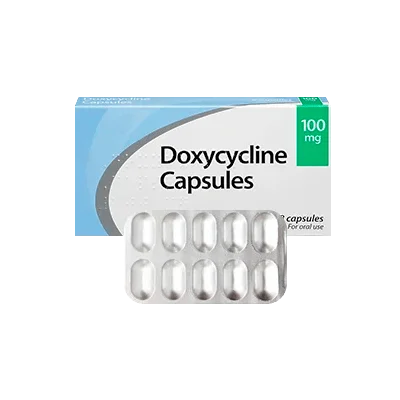
Doxycycline is a tetracycline antibiotic for susceptible bacterial infections. It is prescribed mainly for adults and, in selected situations, children when benefits outweigh age-related risks. It slows bacterial protein production, helping stop infection from growing and spreading.
Doxycycline is an oral antibiotic in the tetracycline class. Its antibacterial action is bacteriostatic: it suppresses bacterial growth rather than directly destroying every bacterial cell. Doxycycline hyclate is a salt form of doxycycline used in oral pharmaceutical products. The active antibacterial component is doxycycline.
Doxycycline is available here as capsules. The hyclate salt dissolves in gastrointestinal fluid and releases doxycycline for absorption.
The capsule is swallowed whole with water. It should not be opened, crushed, or chewed unless a prescriber specifically provides an alternative administration plan.
The prescribed schedule depends on the infection, its severity, kidney and liver function, age, pregnancy status, and local resistance patterns. The dose is stated on the pack — follow the leaflet.
A prescription may specify:
Complete the prescribed course unless the prescriber changes it because of an adverse reaction or another clinical reason. Stopping early can leave surviving bacteria behind and may encourage treatment failure.
If a dose is missed, take it when remembered unless the next scheduled dose is close. In that situation, skip the missed dose and continue at the usual time. Do not double the next dose.
The FDA prescribing information describes doxycycline hyclate as an oral antibacterial product with indications that vary according to the infection and the susceptibility of the causative organism [2].
Doxycycline enters susceptible bacteria and binds reversibly to the 30S ribosomal subunit. Ribosomes are the structures bacteria use to assemble proteins. When doxycycline blocks this process, the microorganism cannot produce the proteins needed for multiplication, repair, and survival.
Doxycycline may be active against selected:
Doxycycline has established uses in several infectious diseases. Clinicians may prescribe it for selected chest infections, acne, rosacea, chlamydial infections, rickettsial diseases, Lyme disease, and other conditions caused by susceptible bacteria.
Ulcerative colitis is an inflammatory bowel disease with a complex immune and microbial background. Doxycycline has been discussed in experimental and investigational contexts, yet it is not a routine first-line treatment for ulcerative colitis. Established therapies for that condition follow gastroenterology guidelines and differ from antibiotic treatment for a confirmed bacterial infection.
The World Health Organization lists tetracyclines among antibiotic classes with important clinical uses and antimicrobial-stewardship considerations [1].
The National Institute for Health and Care Excellence recommends condition-specific treatment pathways for acne and other infections; doxycycline should be used for an appropriate indication rather than as a general anti-inflammatory treatment [4].
Doxycycline and cephalexin belong to different antibiotic classes. Doxycycline is a tetracycline that inhibits bacterial protein synthesis, while cephalexin is a beta-lactam that interferes with bacterial cell-wall construction.
| Treatment approach | Main pharmacological strength | Typical clinical distinction |
|---|---|---|
| Doxycycline | Protein-synthesis inhibition; useful activity against several intracellular and atypical organisms | Selected respiratory, skin, tick-borne, sexually transmitted, and other susceptible infections |
| Cephalexin | Cell-wall inhibition; activity against many susceptible Gram-positive organisms | Selected skin, soft-tissue, urinary, and respiratory infections when the organism is sensitive |
Doxycycline can reach intracellular compartments, which helps explain its role against certain atypical and tick-borne pathogens. Cephalexin may be preferred when a susceptible beta-lactam-sensitive organism is the likely cause and tetracycline therapy is unsuitable.
The choice should follow the suspected organism, culture results when available, allergy history, pregnancy status, age, kidney and liver considerations, and local antibiotic guidance. Switching between antibiotics without clinical direction can leave the infection undertreated.
The European Medicines Agency promotes antimicrobial stewardship principles that support choosing an antibiotic according to indication, susceptibility, dosage, and duration rather than broad-spectrum activity alone [3].
Doxycycline is not suitable for everyone. This medication is not for you if you have had a serious allergic reaction to doxycycline, another tetracycline, or a formulation ingredient.
Extra caution or an alternative treatment may be needed in these situations:
Important interactions include:
Talk to a prescriber before using doxycycline if you are pregnant or breastfeeding, have severe liver disease, difficulty swallowing, oesophageal problems, a history of severe sun sensitivity, or previous antibiotic-associated colitis. Children under eight should only receive it when a clinician decides that treatment is necessary. Tell the prescriber about anticoagulants, acne medicines, seizure medicines, antacids, mineral supplements, and pregnancy before treatment begins.
Digestive symptoms are among the more frequent problems with doxycycline. Nausea, stomach discomfort, loose stools, vomiting, and reduced appetite may occur. Taking the capsule with water and remaining upright can reduce upper gastrointestinal irritation.
Other possible effects include:
Severe watery or bloody diarrhoea can indicate antibiotic-associated colitis and requires prompt medical assessment. A widespread blistering rash, facial swelling, breathing difficulty, severe headache with visual changes, or yellowing of the skin requires urgent medical attention.
One practical detail is easy to miss: reflux-like chest pain after swallowing doxycycline can be medicine-related oesophageal injury rather than ordinary indigestion. Taking the capsule while lying down is a common trigger.
Another detail concerns dental care. Tetracyclines can affect developing teeth and bone, so routine use is generally avoided during pregnancy and in children under eight years of age unless a specialist determines that the benefits outweigh the risks.
The CDC identifies gastrointestinal effects, photosensitivity, and important pregnancy-related precautions among the safety issues clinicians consider with doxycycline therapy [5].
Several avoidable habits reduce tolerability or treatment success:
A capsule that causes repeated throat or chest discomfort should not be ignored. The timing after swallowing is clinically useful information for the prescriber.
In clinical practice, physicians usually assess three points before prescribing doxycycline: whether bacteria are likely to be involved, whether the suspected organism is susceptible, and whether the patient has a reason to avoid tetracyclines.
A doctor will also consider the infection site. Doxycycline may be useful when intracellular penetration or activity against atypical organisms is relevant, while a narrower antibiotic may be preferable for a clearly identified susceptible pathogen.
Patients often judge treatment too early. Nausea may appear after the first capsule, while improvement in a bacterial infection can take longer and depends on the site and severity of disease. Worsening symptoms, persistent fever, breathing difficulty, or new severe pain require reassessment rather than self-extension of the course.
The practical standard is simple: use the prescribed schedule, protect the oesophagus and skin, separate interacting products, and report significant reactions promptly.
Doxycycline treats selected bacterial infections, including some respiratory, skin, tick-borne, chlamydial, and rickettsial infections. The FDA prescribing information reviewed in 2025 states that use depends on the indication and the susceptibility of the causative organism. It does not treat viruses such as influenza or the common cold.
The capsule is swallowed with a full glass of water while sitting or standing. FDA safety information available in 2025 supports avoiding immediate recumbency because oesophageal irritation can occur. The exact frequency and duration depend on the infection, so follow the prescribed schedule rather than applying a standard regimen to every condition.
Food may help reduce nausea, although certain dairy products, mineral supplements, and antacids can interfere with absorption. WHO antimicrobial guidance published in 2022 supports careful administration of antibiotics alongside attention to interactions and adherence. The practical approach is to separate doxycycline from calcium, iron, magnesium, zinc, aluminium, and bismuth products according to clinical instructions.
Photosensitivity is a recognised adverse effect, meaning that ordinary sunlight may cause a stronger sunburn-like reaction. The EMA safety framework used in 2024 continues to treat photosensitivity as a relevant counselling point for tetracycline antibiotics. Protective clothing, sunscreen, and reduced intense sun exposure can lower the risk during treatment.
Pregnancy requires an individual assessment because tetracyclines may affect developing teeth and bone, especially with exposure during later pregnancy. The WHO and national treatment guidance available in 2022 support selecting antibiotics according to maternal benefit, fetal considerations, and the infection being treated. Do not start, stop, or substitute doxycycline during pregnancy without a prescriber’s direction.
Take the missed capsule when remembered unless the next dose is close, then skip it and return to the usual schedule. FDA medicine information current through 2025 advises against taking two doses together to compensate. Repeated missed doses should be discussed with the prescriber because inconsistent exposure can reduce treatment success.
MOHAP, the Ministry of Health and Prevention, oversees medicines and public-health policy within the UAE. MOHAP guidance available in 2025 and regulatory practice support prescription-led antibiotic use, appropriate indications, and responsible antimicrobial treatment. Doxycycline should therefore be used for the diagnosed or clinically suspected condition for which it was prescribed.
Your order will be securely packed and shipped within 24 hours. This is exactly what your package will look like (images of an actual item sent). It has the size and look of a regular private letter (24x11x0.7 cm) and its contents cannot be seen.
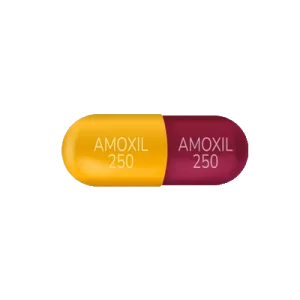




Antibiotics work best when the diagnosis and duration are appropriate. Unnecessary doxycycline exposure may cause side effects, alter normal intestinal or vaginal flora, and select resistant bacteria.
Do not save leftover capsules for a future illness. The same symptoms can arise from different causes, and a medicine that helped one infection may be unsuitable for another.
The chest infection began improving after several days. I felt nauseated when I took the capsule before breakfast, but taking it with water and food made the morning dose easier.
My skin inflammation settled gradually. Sun sensitivity was the main nuisance, and I burned faster than expected during a weekend outdoors.
The medicine helped the infection, but I developed burning behind my breastbone after taking it at bedtime. The symptom stopped after the timing and posture were corrected.
The course was manageable, although the first week brought loose stools and mild headache. Improvement was gradual rather than immediate.