Verified
I chose Purim because I wanted a simple herbal routine. I did not notice a dramatic skin change, but I tolerated the tablets and found them easy to take after breakfast.
27 Sep 2026

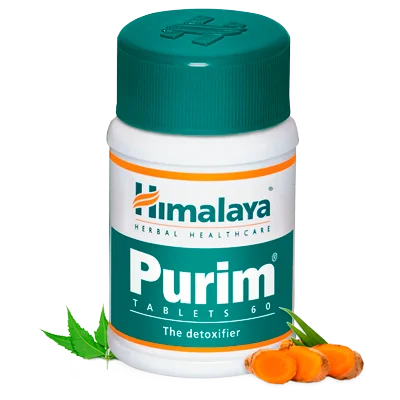
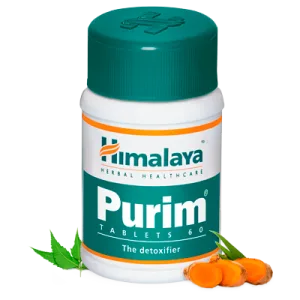
Purim is a herbal wellness tablet for adults seeking general detoxification support. Its “detoxifier” positioning is intended to complement everyday habits such as hydration, balanced meals, sleep, and regular routines.
Purim is a herbal tablet product from Himalaya Herbal Healthcare intended for adults seeking general detoxification and skin-supportive wellness.
Purim belongs to the herbal healthcare category rather than the prescription-drug category. The product is supplied as tablets, and the pack presentation identifies it as a detoxifier. Its intended role is supportive: it may form part of a broader routine focused on skin comfort, digestion, hydration, and general wellbeing.
The available product information confirms the tablet form and 60-tablet pack size. It does not provide a verified ingredient list or strength for individual botanicals, so no unconfirmed plant name or dose is assigned here.
Herbal products can contain biologically active substances. Their effects may vary with the plant species, extraction method, dose, preparation, and the person using them. The World Health Organization describes herbal medicines as products requiring attention to identity, quality, safety monitoring, and appropriate use [1].
Purim is intended for adults who want a herbal wellness product with a detoxification focus. It is not presented as a treatment for a diagnosed liver disease, kidney disease, infection, eczema, acne, or other medical condition.
Use Purim by mouth as tablets and follow the labelled directions for the product. The exact schedule should not be estimated from the pack size. A 60-tablet bottle describes the quantity supplied, not automatically the number of tablets to take each day.
Practical administration points include:
The duration of use depends on the product directions and the reason for taking it. A short course for general wellness is different from continued use over several months. Persistent skin eruptions, yellowing of the eyes, dark urine, pale stools, severe abdominal pain, or marked fatigue need medical assessment rather than a longer self-directed course.
A missed dose usually does not require compensation. Taking several tablets together can increase exposure to botanical constituents and may make nausea, abdominal discomfort, headache, or allergy more likely.
Purim is a herbal tablet intended to support general detoxification and skin-focused wellness in adults. Its detoxifier positioning complements hydration, balanced meals, sleep, and regular routines, while the body’s liver, kidneys, gastrointestinal tract, lungs, and skin carry out natural elimination processes.
Purim is intended for adults who want a herbal wellness product with a detoxification focus. It is not presented as a treatment for a diagnosed liver disease, kidney disease, infection, eczema, acne, or other medical condition.
The term “detoxifier” is commonly used for products intended to support the body’s natural elimination processes. The liver, kidneys, gastrointestinal tract, lungs, and skin already perform these physiological functions. A tablet cannot replace those organs or correct an underlying disease.
A sensible interpretation of Purim is supportive herbal care. The product may suit a wellness routine that also includes adequate fluid intake, regular meals, sleep, and a balanced diet. Skin changes can still result from hormonal conditions, allergy, infection, medication effects, or nutritional problems, which require a different clinical assessment. These measures support general health but do not establish that Purim caused a skin change. A clinician can assess persistent symptoms and identify an appropriate treatment plan.
The level of evidence can differ between a registered herbal medicine and a food supplement, so the product category and local regulatory status affect how its claims should be understood [2].
Purim is best understood by category and intended role rather than by comparison with unrelated medicines.
| Approach | Main role | Main limitation |
|---|---|---|
| Purim herbal tablets | General herbal detoxification and wellness support | Individual botanical composition and dose determine the evidence and safety profile |
| Diet and hydration routine | Supports normal digestion, fluid balance, and elimination | Does not treat a diagnosed disease |
| Clinically prescribed treatment | Targets a defined condition with a studied active substance | Requires diagnosis, selection of dose, and monitoring |
A dietary routine can provide the foundation for wellbeing, while a herbal tablet may be used as an additional product. Prescription treatment is different because it targets a specific diagnosis and normally has a defined active ingredient, strength, and monitoring plan.
Purim is not a substitute for treatment of liver disease, kidney impairment, severe gastrointestinal symptoms, or inflammatory skin disease. The FDA advises that dietary supplements can interact with medicines and should be disclosed during medication reviews [3].
Herbal products may alter drug absorption, metabolism, or bleeding risk. Extra caution is appropriate with anticoagulants, antiplatelet medicines, diabetes medicines, blood-pressure treatment, sedatives, immunosuppressants, and medicines processed extensively by the liver. The exact interaction risk depends on the botanical ingredients and the person’s medication list.
Pregnancy and breastfeeding require a separate risk assessment because safety data for many herbal combinations are limited. Stopping a prescribed medicine to begin Purim is also unsafe. The prescribed treatment should remain unchanged unless the prescriber gives a specific plan.
Purim is not suitable for you if you have had an allergic reaction to it or any of its ingredients, are pregnant or breastfeeding without specific clinical advice, or have known liver or kidney disease. It may also not be appropriate if you take medicines with a narrow safety margin, are preparing for surgery, or are considering giving it to a child. Do not use it to delay assessment of a new or severe symptom.
Many people tolerate herbal tablets without major difficulty, but mild reactions remain possible. Reported problems with herbal products as a category can include digestive discomfort, nausea, loose stools, constipation, headache, dizziness, or an unpleasant taste.
Allergic reactions are also possible. Stop using the product and seek urgent medical care for facial swelling, wheezing, difficulty breathing, widespread blistering rash, or faintness. A milder rash, itching, or persistent stomach upset warrants stopping the product until its cause is assessed.
Purim should not be judged only by whether the skin looks different after a few days. Skin turnover takes time, and a worsening rash may indicate allergy, infection, or another condition rather than a need for more tablets.
Alcohol can worsen dizziness or stomach irritation from some herbal preparations. Because the active botanical composition and dose are not provided in the product data, combining Purim with regular alcohol use deserves caution.
One common mistake is measuring success only through skin appearance. Better markers include tolerability, regular use, absence of new symptoms, and whether the product fits the person’s wider health plan.
Clinicians usually place Purim in the supportive-care category. A doctor would first ask what the person means by “detoxification,” because fatigue, bloating, itching, acne, and changes in bowel habits can have very different causes.
For a healthy adult using Purim for general wellness, the practical priorities are adherence to the labelled directions, avoidance of unnecessary combinations, and attention to new symptoms. A clinician may also review liver and kidney history, regular medicines, pregnancy status, and previous allergies.
The product should not be expected to cleanse the blood, reverse organ damage, or cure a chronic skin condition. Those expectations go beyond what can be responsibly concluded from the product description.
The UAE’s MOHAP framework places emphasis on appropriate medicine and health-product use, while WHO safety principles support reporting suspected adverse reactions from herbal products. A clear medication history helps clinicians assess whether a symptom is related to Purim or to another cause.
Purim is presented as a herbal healthcare tablet rather than a conventional prescription medicine. The product is intended for general wellness support and should not be used to replace treatment for a diagnosed illness. WHO guidance from 2004 describes the need for quality and safety monitoring across herbal medicines .
Purim is labelled as a detoxifier and may be selected for general herbal wellness and supportive skin-care routines. The product should not be described as a cure for liver disease, kidney disease, acne, eczema, or infection. EMA herbal-medicine principles published in 2017 distinguish traditional or supportive use from evidence for treating a specific disease .
Take Purim by mouth according to the labelled directions for the product and swallow the tablets with water. Do not infer a daily dose from the 60-tablet pack size, and do not double a dose after a missed intake. FDA supplement-safety information from 2022 stresses that supplement use should be considered alongside medicines and other products .
Potential interactions depend on the botanical ingredients, the amount used, and the medicines taken at the same time. Extra caution applies to anticoagulants, diabetes treatment, sedatives, immunosuppressants, and medicines affected by liver metabolism. NIH Office of Dietary Supplements information published in 2023 explains why supplement ingredients can alter medication effects and why a complete product list matters [4].
Pregnancy and breastfeeding require individual assessment because safety information for many herbal combinations is limited. Purim should not be started during these periods without specific advice from a qualified clinician who knows the person’s medical history. WHO pharmacovigilance guidance from 2004 supports careful monitoring of suspected reactions to herbal products .
There is no reliable universal timetable for a herbal detoxification or skin-supportive effect. Response can depend on diet, hydration, sleep, the original skin concern, other medicines, and individual sensitivity. A persistent or worsening symptom should be investigated rather than managed by extending the course; EMA’s 2017 herbal-medicine framework supports separating traditional use from proven treatment claims .
Stop Purim and seek urgent care for breathing difficulty, facial swelling, faintness, or a severe blistering rash. Stop and arrange medical assessment for persistent vomiting, severe abdominal pain, yellow skin, dark urine, or unusual bleeding. FDA supplement-safety guidance from 2022 recommends prompt attention to suspected adverse effects and disclosure of supplement use during healthcare visits .
Your order will be securely packed and shipped within 24 hours. This is exactly what your package will look like (images of an actual item sent). It has the size and look of a regular private letter (24x11x0.7 cm) and its contents cannot be seen.
I chose Purim because I wanted a simple herbal routine. I did not notice a dramatic skin change, but I tolerated the tablets and found them easy to take after breakfast.
My digestion felt steadier during the first weeks. I also increased my water intake, so I cannot say the tablets alone caused the improvement.
I developed mild stomach discomfort after starting Purim. It settled after I stopped, so I decided not to restart without checking the ingredients and my other supplements.
The tablets fitted into my morning routine. My skin remained much the same, but I appreciated that the bottle was easy to store and the tablets were not difficult to swallow.