


Verified
My home readings became more consistent after the first few weeks. I had mild flushing early on, mostly in the evening, but it faded without affecting work.
29 Sep 2026

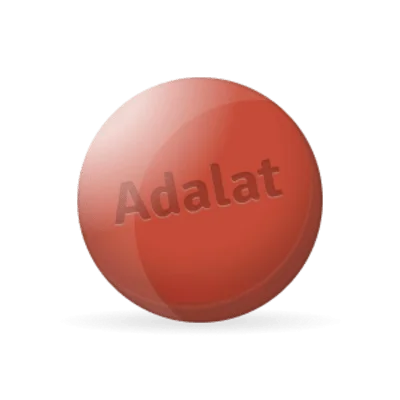
Adalat is a nifedipine tablet for adults who need sustained blood-pressure control. Its calcium channel blocker action relaxes arterial blood vessels, helping lower resistance to blood flow and ease the heart’s workload.
Adalat is a nifedipine tablet, a calcium channel blocker used mainly for hypertension. It is prescribed for adults who need sustained blood-pressure control. Nifedipine relaxes arterial blood vessels, reducing resistance to blood flow and easing the heart’s workload.
Adalat contains nifedipine, a dihydropyridine calcium channel blocker. Calcium channel blockers reduce the movement of calcium into smooth-muscle cells in artery walls. With less calcium available for contraction, arteries relax and blood pressure falls.
Nifedipine acts mainly on blood vessels rather than directly slowing the heart. This is why it can be useful when raised vascular resistance is a major contributor to hypertension.
Calcium is needed for vascular smooth muscle to tighten. Nifedipine blocks L-type calcium channels, which reduces this tightening and widens peripheral arteries. Blood moves through a lower-resistance circulation.
The effect can reduce systolic and diastolic blood pressure. It may also reduce the frequency of angina symptoms in patients for whom nifedipine is clinically appropriate. The WHO hypertension guideline includes calcium channel blockers among the major medicine classes used for long-term blood-pressure treatment [1].
Some Adalat tablets use a modified-release design, meaning nifedipine is released gradually. This supports steadier medicine levels over the day and avoids the sharp peaks linked with immediate-release dosing.
Swallow modified-release tablets whole with water. Crushing, chewing, or splitting a modified-release tablet can destroy the release system and may cause too much nifedipine to enter the bloodstream at once.
A tablet shell or residue may occasionally be noticed in the stool with some extended-release systems. The medicine has already been released from the tablet structure in this situation.
Use Adalat exactly at the prescribed dose and frequency. The appropriate regimen depends on the formulation, blood-pressure response, age, liver function, and medicines taken alongside nifedipine.
A practical daily routine includes:
Food can affect the absorption of some nifedipine formulations. A consistent routine around meals helps prevent avoidable variation in exposure. Avoid grapefruit juice throughout treatment unless a prescriber has confirmed it is suitable.
Dizziness may occur when treatment starts or after a dose increase. Rise from bed or a chair slowly, and avoid driving until you know how Adalat affects you.
Take a missed dose when remembered unless it is nearly time for the next scheduled dose. Skip the missed dose if the next one is due soon. Do not double the next dose.
Too much nifedipine can cause marked low blood pressure, fainting, a fast heartbeat, or severe weakness. Suspected overdose requires urgent medical help.
Calcium is needed for vascular smooth muscle to tighten. Nifedipine blocks L-type calcium channels, which reduces this tightening and widens peripheral arteries. Blood moves through a lower-resistance circulation.
Nifedipine acts mainly on blood vessels rather than directly slowing the heart.
Hypertension, also called ارتفاع ضغط الدم, means blood pressure remains above a healthy range over time. It often causes no symptoms, yet it raises the long-term risk of stroke, heart failure, kidney disease, and coronary artery disease.
Adalat lowers arterial resistance. This reduces the pressure against which the heart pumps. Blood-pressure therapy is often long term, even when a person feels completely well.
Treatment goals are individual. Age, diabetes, kidney function, cardiovascular disease, pregnancy status, and other medicines all influence the target selected by a prescriber.
Home readings are useful when taken correctly. Sit quietly for five minutes, keep both feet on the floor, and use an appropriately sized upper-arm cuff. One unusually high reading without symptoms is not a reason to take an extra tablet.
Nifedipine begins relaxing blood vessels after absorption, while stable blood-pressure assessment needs repeated readings over days or weeks. Dose changes should be clinician-led because blood pressure can fall too far when several treatments are adjusted together. Home readings can show whether control is consistent across different days. A symptom diary can help distinguish treatment effects from unrelated causes. Follow-up review should consider both blood pressure and tolerability.
Severely elevated blood pressure with chest pain, breathlessness, weakness on one side of the body, confusion, fainting, or a severe headache needs emergency assessment. Adalat is not a home treatment for these warning signs.
Adalat is one option among several evidence-based hypertension treatments. The best choice depends on the patient’s blood-pressure pattern, kidney function, cardiovascular history, adverse-effect profile, and interaction risk.
| Treatment class | Main action | Common limitation |
|---|---|---|
| Calcium channel blockers such as nifedipine | Relaxes arteries by reducing calcium entry into vessel muscle | Ankle swelling, flushing, headache |
| ACE inhibitors or ARBs | Reduces hormonal signals that tighten blood vessels | Kidney-function and potassium monitoring |
| Thiazide-like diuretics | Increases sodium and water removal through the kidneys | Electrolyte changes and dehydration risk |
Doctors often select a calcium channel blocker when arterial relaxation is a useful part of the treatment strategy. Nifedipine can work well for blood-pressure control, though ankle oedema and vasodilatory headache may lead clinicians to adjust therapy.
ACE inhibitors, ARBs, and thiazide-like diuretics are not interchangeable substitutes for every patient. NICE hypertension guidance supports treatment selection based on clinical characteristics and response, rather than a one-class-for-all approach [4].
It also requires careful clinical assessment in people with very low blood pressure, severe liver impairment, unstable angina, or a recent heart attack.
Nifedipine should not be used to self-manage new chest pain. Sudden chest pressure, pain spreading to the arm or jaw, breathlessness, sweating, or collapse needs emergency care.
Unstable angina describes new, worsening, or unpredictable chest pain caused by reduced blood flow to the heart. It needs urgent medical assessment.
Short-acting nifedipine has been associated with cardiovascular concerns in certain acute coronary settings. Prescribers select the formulation and treatment plan carefully when coronary disease is present.
A recent heart attack changes the risk-benefit assessment for blood-pressure medicines.
Pregnancy, breastfeeding, liver disease, and severe aortic stenosis also require individual medical review. The EMA’s nifedipine product information describes formulation-specific precautions and interaction considerations [3].
Adalat is not for you if you have been told not to use nifedipine because of an allergy to nifedipine or another ingredient in the tablet.
New or worsening chest pain after starting Adalat should be assessed urgently rather than treated by taking an additional tablet.
Pregnancy, breastfeeding, liver disease, and severe aortic stenosis also require individual medical review.
Most people tolerate nifedipine without serious difficulty, though its blood-vessel relaxing action can produce noticeable effects. Headache, flushing, dizziness, ankle swelling, fatigue, and nausea are recognised reactions in official nifedipine prescribing information [2].
Side effects are not always a reason to stop treatment. Persistent symptoms need review because a change in dose, timing, or treatment plan may be appropriate.
Headache and flushing can occur as blood vessels widen. These effects may be more noticeable early in treatment or after a dose adjustment.
Dizziness can happen when blood pressure drops, especially after standing quickly. Sit or lie down if light-headed. Do not drive, climb ladders, or use machinery while dizzy.
Fatigue may reflect adjustment to lower blood pressure, poor sleep, or another medicine taken at the same time. It should not be ignored if it is severe or limits normal activities.
Ankle swelling is a familiar calcium channel blocker effect. It occurs because widened small arteries alter pressure in tiny blood vessels, allowing fluid to move into surrounding tissue. It does not always mean the body is retaining excess salt and water.
Do not start a diuretic independently for swollen ankles. New swelling on one side, rapidly increasing swelling, painful calf swelling, or swelling with breathlessness needs prompt clinical evaluation.
Nausea may settle when the body adjusts. Taking the medicine in a consistent manner each day can help identify whether symptoms are related to timing or meals.
Facial swelling, wheezing, breathing difficulty, collapse, severe chest pain, or fainting require emergency care. These symptoms are not routine adjustment effects.
Several avoidable mistakes reduce the benefit of Adalat or raise side-effect risk:
Clinicians also look beyond the reading itself. Ankle swelling, dizziness after standing, headache timing, pulse rate, kidney function, and the full medicine list can all influence whether Adalat remains the right approach.
One useful distinction is between a manageable effect and a dangerous symptom. Mild flushing may settle, while fainting or chest pain needs urgent action.
Adalat is used mainly to treat hypertension through the action of nifedipine, a calcium channel blocker. Lowering persistent blood pressure reduces long-term strain on the heart, brain, kidneys, and blood vessels. WHO guidance published in 2021 recognises calcium channel blockers as a core treatment class for hypertension .
Nifedipine reduces calcium entry into smooth-muscle cells within artery walls. The arteries relax, allowing blood to flow with less resistance. FDA prescribing information updated in 2011 describes nifedipine as a peripheral arterial vasodilator used in cardiovascular treatment .
Modified-release Adalat tablets should be swallowed whole. Crushing or chewing can alter how quickly nifedipine is released and may increase adverse effects from a sudden rise in medicine exposure. FDA Procardia XL prescribing information from 2011 advises formulation-specific administration precautions for nifedipine products .
Discuss ankle swelling if it persists, worsens, becomes uncomfortable, or affects daily movement. Seek prompt assessment if swelling is one-sided, painful, rapidly increasing, or accompanied by breathlessness or chest symptoms. NICE guidance from 2023 supports reviewing adverse effects and treatment response during hypertension management .
Grapefruit juice can raise nifedipine levels and increase the likelihood of dizziness, flushing, headache, or low blood pressure. Avoid it during treatment rather than attempting to separate it from the tablet by a few hours. The FDA nifedipine label published in 2011 identifies grapefruit juice as a relevant interaction .
Take the missed dose when remembered unless the next scheduled dose is close. In that situation, skip the missed dose and resume the usual schedule. Do not take two tablets together unless a prescriber has given that specific instruction; this approach is consistent with FDA Procardia XL prescribing information issued in 2011 .
Urgent symptoms include fainting, severe chest pain, breathing difficulty, facial swelling, severe weakness, or signs of a possible heart attack. These symptoms need emergency assessment rather than self-adjustment of Adalat. WHO cardiovascular guidance published in 2021 identifies acute chest symptoms and neurological symptoms as reasons for urgent evaluation .
Your order will be securely packed and shipped within 24 hours. This is exactly what your package will look like (images of an actual item sent). It has the size and look of a regular private letter (24x11x0.7 cm) and its contents cannot be seen.
My home readings became more consistent after the first few weeks. I had mild flushing early on, mostly in the evening, but it faded without affecting work.
The tablet fitted easily into my morning routine. I started standing up more slowly because I felt light-headed twice after getting out of bed.
My blood pressure improved, but my ankles became puffy by the end of the day. My prescriber reviewed it rather than having me change the tablets myself.
I missed a dose once and nearly took two the next morning. Keeping the tablets next to my breakfast cup helped me avoid repeating that mistake.