Verified
My hands shook less during presentations, and my heartbeat felt calmer. I also felt colder in the evenings, so my doctor reviewed the dose rather than increasing it.
27 Sep 2026

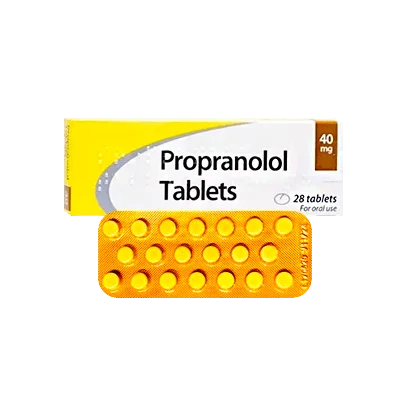
Propranolol is an oral beta-blocker for people with selected cardiovascular conditions, migraine, essential tremor, or physical anxiety symptoms. The dose is stated on the pack — follow the leaflet. It helps reduce heart rate, cardiac workload, tremor, and other beta-adrenergic effects by blocking beta-1 and beta-2 receptors.
Propranolol is a non-selective beta-blocker used for cardiovascular conditions and several physical symptoms linked to anxiety, migraine, and essential tremor. The dose is stated on the pack — follow the leaflet. It reduces heart rate, cardiac workload, and beta-adrenergic symptoms by blocking beta-1 and beta-2 receptors.
The active pharmaceutical ingredient is propranolol hydrochloride, also called propranolol HCl.
The product described here is a propranolol tablet for oral use; the dose is stated on the pack — follow the leaflet. Immediate-release tablets are absorbed and eliminated differently from modified-release formulations, so they should not be exchanged on a milligram-for-milligram basis without a prescriber’s direction.
Common adult regimens vary substantially. For hypertension, clinicians may begin with divided daily doses and adjust according to blood pressure and pulse. Migraine prevention and essential tremor also commonly use divided doses, while treatment of arrhythmias requires a separate clinical plan. The tablet may be used as part of different schedules, but the number of tablets is not interchangeable between conditions.
A patient taking propranolol for a heart condition should not independently change the timing to treat a headache or performance tremor. Propranolol can mask a fast pulse, and sudden withdrawal can produce rebound sympathetic activity, including worsening angina or a marked rise in blood pressure.
Propranolol belongs to the beta-blocker family and is classified as a non-cardioselective beta-adrenergic blocking agent. It blocks both beta-1 receptors in the heart and beta-2 receptors in the lungs, blood vessels, and other tissues. As a Group II antiarrhythmic, it slows certain electrical impulses through the heart and reduces sympathetic stimulation.
Its main actions include lowering heart rate, reducing the force of cardiac contraction, and decreasing renin release from the kidneys [1].
Beta-1 blockade reduces cardiac output and myocardial oxygen demand. Beta-2 blockade contributes to bronchial smooth-muscle constriction, which creates a significant limitation for people with asthma or active bronchospasm.
Propranolol is lipophilic, so it enters the central nervous system more readily than many water-soluble beta-blockers. This may contribute to effects such as vivid dreams, sleep disturbance, fatigue, or drowsiness in some patients. The same property may help reduce physical manifestations of anxiety, such as trembling and a racing heartbeat.
Propranolol has several established clinical uses. The appropriate dose depends on the condition, heart rate, blood pressure, age, liver function, and response to treatment.
| Clinical use | Therapeutic goal | Main physiological effect |
|---|---|---|
| High blood pressure | Reduce cardiovascular pressure and workload | Slows the heart and reduces cardiac output |
| Angina pectoris | Reduce exercise-related chest discomfort | Lowers myocardial oxygen demand |
| Migraine prevention | Reduce the frequency or severity of attacks | Dampens adrenergic and vascular responses |
| Essential tremor | Reduce rhythmic hand or voice tremor | Limits beta-adrenergic muscle stimulation |
| Physical anxiety symptoms | Control tremor, palpitations, and sweating | Reduces the body’s response to adrenaline |
For high blood pressure and angina, propranolol reduces the work performed by the heart. For migraine prevention, it is taken regularly rather than only after headache pain begins. Essential tremor may improve because beta-adrenergic stimulation contributes to involuntary rhythmic movement.
Doctors may also use propranolol for selected arrhythmias, symptoms associated with thyrotoxicosis, and situational anxiety symptoms. Use for performance-related anxiety is generally directed at physical symptoms rather than persistent anxious thoughts. The NHS and NICE describe beta-blockers as a treatment option in selected circumstances, while the FDA prescribing information defines the approved indications and dose limits for specific formulations [2].
Propranolol and metoprolol are both beta-blockers, but their receptor profiles are different. Propranolol blocks beta-1 and beta-2 receptors, while metoprolol is relatively cardioselective at usual doses and acts mainly at beta-1 receptors.
| Feature | Propranolol | Metoprolol |
|---|---|---|
| Receptor activity | Non-selective beta-1 and beta-2 blockade | Predominantly beta-1 blockade at usual doses |
| Central nervous system entry | Lipophilic; enters the brain readily | Lipophilic; central effects can also occur |
| Respiratory consideration | Greater concern in asthma or bronchospasm | Lower beta-2 effect, though respiratory caution remains necessary |
Propranolol may be selected when tremor, migraine prevention, or prominent physical adrenaline symptoms are treatment goals. Metoprolol may be preferred when a clinician wants greater cardiac selectivity, such as in some patients with respiratory vulnerability. Neither option is universally preferable.
Cardioselectivity is dose-dependent. At higher doses, metoprolol can lose part of its beta-1 preference and affect beta-2 receptors. Propranolol’s broader blockade can be therapeutically useful, but it also creates more respiratory and peripheral circulation concerns. A physician chooses between them according to the indication, pulse, blood pressure, lung history, cardiac function, and other medicines.
Propranolol is not suitable for everyone. It may not be for you if you have asthma, active bronchospasm, marked bradycardia, or significant heart block. Propranolol should not be stopped suddenly after regular use. Withdrawal may intensify angina, provoke rhythm problems, or raise blood pressure. A person with wheezing or known asthma should not use a non-selective beta-blocker without a specific medical rationale and monitoring.
Propranolol is often tolerated when the dose is adjusted gradually, yet its beta-1 and beta-2 activity explains several predictable adverse effects. The most relevant effects involve the heart, nervous system, gastrointestinal tract, and airways.
Common or clinically recognised effects include:
Bradycardia becomes more concerning when accompanied by fainting, confusion, chest discomfort, or marked weakness. Dizziness may be more noticeable during the first days of treatment or after a dose increase. Standing slowly and avoiding sudden strenuous activity can reduce falls while the body adjusts.
The drug can also hide warning signs of low blood glucose, especially a rapid heartbeat. People with diabetes may still develop sweating, confusion, or other symptoms despite beta-blockade. Propranolol may worsen peripheral circulation symptoms in some patients, producing colder fingers or toes.
Bronchoconstriction is a major limitation of non-selective beta-blockers. People with asthma or a history of severe bronchospasm may experience worsening breathing. Severe wheezing, swelling of the face or throat, or sudden collapse needs emergency care. The EMA product information and FDA labeling describe these cardiovascular, respiratory, neurological, and metabolic warnings [3].
Several routine errors can reduce benefit or create avoidable harm:
In clinical practice, doctors usually focus on the treatment goal rather than the tablet strength alone. A 40 mg tablet may form part of a divided schedule for blood pressure, tremor, migraine prevention, or another indication, yet those schedules are not interchangeable.
Physicians commonly check pulse, blood pressure, dizziness, exercise tolerance, breathing symptoms, and treatment response after initiation or dose changes. A low pulse without symptoms may be acceptable for one patient and excessive for another. The decision depends on baseline cardiovascular status and the reason for treatment. Follow-up timing depends on the indication and dose. Patients should report fainting, wheezing, or worsening exercise intolerance promptly.
One practical point is often missed: propranolol may reduce the physical signs of anxiety without treating the underlying anxious thoughts or avoidance behaviour. For migraine, the goal is prevention, not immediate relief of an established attack. For essential tremor, improvement may be partial, and hand weakness or fatigue can limit the dose.
A prescriber also considers whether a patient uses an inhaler, clonidine, verapamil, diltiazem, digoxin, diabetes treatment, or medicines that affect liver enzymes. This medication review can prevent an otherwise avoidable episode of hypotension, bronchospasm, or excessive bradycardia.
Heart-rate and adrenaline-related physical effects can appear after an oral dose, while migraine prevention and essential tremor control require repeated treatment. The FDA prescribing information from 2010 describes indication-specific dosing rather than one universal onset time. Clinical assessment by a prescriber determines whether the response is adequate after a consistent trial.
Propranolol can reduce physical symptoms such as tremor, palpitations, sweating, and a racing heart. It does not directly treat every psychological feature of anxiety. NICE guidance from 2023 and NHS clinical information describe beta-blockers as an option in selected situations, with the choice depending on symptoms, medical history, and respiratory risk.
Non-selective beta-blockade can narrow the airways and may worsen asthma or bronchospasm. The EMA product information from 2022 identifies bronchial obstruction as a significant safety concern with propranolol. People with wheezing, asthma, or a previous severe airway reaction require a different treatment plan or specialist supervision.
Propranolol begins affecting beta receptors after absorption, but stable blood-pressure control depends on repeated dosing and the underlying cause of hypertension. The American Heart Association's 2017 guidance recognises beta-blockers as useful in selected cardiovascular circumstances rather than as the first choice for every person with high blood pressure. Home readings should be interpreted alongside pulse and symptoms.
Sudden withdrawal after regular treatment can increase sympathetic activity and may worsen angina, blood pressure, or rhythm problems. FDA labeling from 2010 advises gradual reduction when discontinuation is clinically appropriate. The tapering schedule depends on treatment duration, dose, cardiac risk, and the original indication.
Propranolol is used as preventive treatment, so its value is judged by the pattern of attacks over time rather than by immediate relief of one headache. The American Headache Society's 2024 guidance and clinical migraine recommendations describe preventive treatment as a planned trial with monitoring of frequency and severity. A sudden severe or unusual headache needs separate medical assessment.
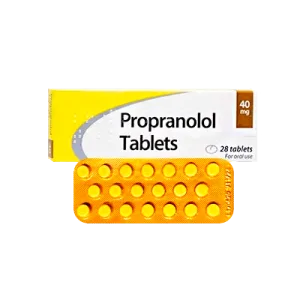
Your order will be securely packed and shipped within 24 hours. This is exactly what your package will look like (images of an actual item sent). It has the size and look of a regular private letter (24x11x0.7 cm) and its contents cannot be seen.
My hands shook less during presentations, and my heartbeat felt calmer. I also felt colder in the evenings, so my doctor reviewed the dose rather than increasing it.
The migraine attacks became less frequent after several weeks. The first few days brought tiredness, and I needed to take the tablet earlier in the day.
Blood pressure readings improved, but climbing stairs felt harder at first. The fatigue eased gradually, although I still noticed colder fingers.
I used it for physical anxiety symptoms and noticed less trembling. It did not remove the anxious thoughts, and dizziness appeared when I stood quickly.