Description
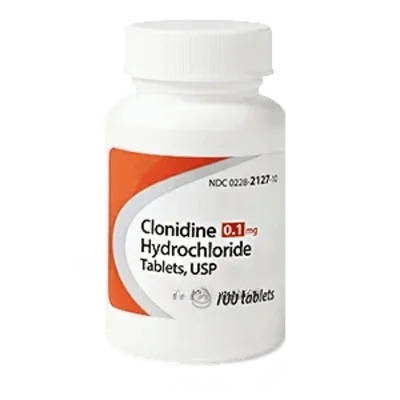
Clonidine contains clonidine hydrochloride, a centrally acting antihypertensive belonging to the alpha-2 adrenergic agonist class. Its main clinical role is blood-pressure control.
Chemical identity and classification
The active pharmaceutical ingredient is clonidine hydrochloride. It stimulates alpha-2 adrenergic receptors in the brainstem, reducing central sympathetic outflow.
Composition
Clonidine contains clonidine hydrochloride, a centrally acting antihypertensive belonging to the alpha-2 adrenergic agonist class. The dose is stated on the pack — follow the leaflet. Its main clinical role is blood-pressure control.
Clonidine acts within the central nervous system rather than directly forcing the arteries to relax. Reduced sympathetic activity lowers the signals that increase vascular tone and cardiac workload. The FDA prescribing information describes clonidine hydrochloride tablets as an oral treatment for hypertension [1].
Brand naming does not change the pharmacological action of clonidine hydrochloride.
Chemical identity and classification
The active pharmaceutical ingredient is clonidine hydrochloride. It stimulates alpha-2 adrenergic receptors in the brainstem, reducing central sympathetic outflow. This classification explains several effects that occur together: lower blood pressure, slower heart rate, sleepiness, and dry mouth.
Clonidine is available as tablets for oral administration. The tablets may be taken with or without food, but taking each dose in a consistent way can make day-to-day blood-pressure control easier to interpret.
Because clonidine can cause drowsiness, plan the first doses around activities that do not require rapid reactions, such as driving, climbing, or operating machinery.
Dosage and usage
The dose is stated on the pack — follow the leaflet. For hypertension, the prescribing clinician determines the starting regimen, maintenance dose, maximum dose, and timing of any dose changes.
- Swallow the tablet with water.
- Take doses at the prescribed times each day.
- Use the same relationship to meals when possible.
- Do not take an extra tablet to compensate for a missed dose.
- If a missed dose is remembered near the next scheduled dose, skip it rather than doubling.
- Continue treatment until a planned taper has been completed.
Renal impairment, older age, slow pulse, low blood pressure, and concurrent sedatives may require a lower starting regimen. Clonidine treatment is titrated rather than adjusted abruptly.
Keep a short record of morning and evening blood pressure readings, pulse, dose time, dizziness, and sleepiness during titration. A pattern is more useful than one isolated reading.
Missed doses and excessive dosing
A single missed dose may reduce blood-pressure control, but taking two doses together can cause excessive hypotension, slow heart rate, faintness, or marked sedation. Excessive clonidine exposure can also cause weakness, confusion, pinpoint pupils, breathing suppression, or loss of consciousness.
Urgent medical assessment is needed after a suspected overdose, especially when the person is difficult to wake, has breathing changes, faints, or has a very slow pulse.
How it works
Clonidine crosses into the central nervous system and stimulates alpha-2 adrenergic receptors in the brainstem. These receptors act like a brake on sympathetic nerve activity. As sympathetic outflow decreases, the arteries receive fewer constricting signals, the heart may beat more slowly, and blood pressure falls.
The process can be understood in four steps:
- Clonidine activates central alpha-2 receptors.
- Sympathetic signals travelling from the brain to the circulation decrease.
- Peripheral vascular resistance and heart-rate stimulation decline.
- Systolic and diastolic blood pressure may fall.
This mechanism differs from that of medicines that act mainly on the renin-angiotensin system or directly block beta receptors. Clonidine does not rely primarily on increasing urine sodium loss. Its main action is neural.
The central mechanism also explains why clonidine can produce sedation, reduced alertness, dry mouth, and constipation. These effects are not separate from its pharmacology; they arise from reduced sympathetic and central nervous system activity.
Indications
Clonidine is primarily prescribed for hypertension. Lowering excessive sympathetic activity can reduce peripheral vascular resistance and decrease the workload placed on the heart. Treatment is usually adjusted gradually because the amount needed varies with blood pressure, pulse, kidney function, age, and other medicines.
Doctors may also use clonidine for selected off-label indications. Off-label prescribing means that a clinician uses an approved medicine for a purpose supported by clinical practice or evidence, even when that use is outside the medicine’s main regulatory indication.
Clinical guidance from NICE places clonidine outside the usual first-choice groups for uncomplicated hypertension, but it can have a role when a prescriber selects a centrally acting option for a specific patient profile [2]. Its sedating effect can be useful in some situations and inconvenient in others.
Patients using clonidine for ADHD, menopausal symptoms, opioid withdrawal, or alcohol withdrawal require a condition-specific plan. The dose and duration for these uses are not interchangeable with the regimen used for hypertension.
Comparison
Clonidine is selected for its central sympathetic action. Other antihypertensive categories work through different physiological pathways, so the most suitable option depends on the patient’s cardiovascular history, kidney function, pulse, and existing treatment.
Clonidine may be useful when sympathetic overactivity is a central concern, or when a clinician needs a medicine with a different mechanism. Its limitations include sedation, dry mouth, constipation, slow pulse, and a clinically significant withdrawal reaction.
ACE inhibitors and angiotensin receptor blockers may be preferred in many patients with hypertension, diabetes, kidney disease, or heart failure because of their broader outcome data in those groups. Beta-blockers can be selected when another indication, such as certain rhythm disorders or previous myocardial infarction, supports their use. These choices require individual prescribing rather than substitution by tablet strength.
Contraindications
Clonidine is not suitable for everyone. A prescriber may avoid it, use a lower dose, or arrange closer monitoring in the following situations:
- Known allergy to clonidine or an excipient in the tablet.
- Very low blood pressure.
- A slow resting heart rate or clinically significant conduction disorder.
- Fainting related to low blood pressure.
- Severe kidney impairment.
- Recent changes to other medicines that lower blood pressure or slow the pulse.
- Concurrent use of several sedating substances.
- Pregnancy or breastfeeding when the expected benefit and potential risk have not been assessed.
When this is not for you
NOT for you if: you have a very slow pulse, frequent fainting, or cannot follow a supervised taper.
Side effects
The most familiar adverse effects of clonidine are drowsiness, dry mouth, dizziness, constipation, fatigue, and headache. Slow heart rate and low blood pressure may occur, especially after dose increases or when clonidine is combined with other medicines that lower blood pressure.
Sleepiness may be strongest during the first days of treatment or after a dose increase. Some people adapt with continued use, while others remain too sedated for clonidine to be practical. Dry mouth can affect speech, swallowing comfort, dental health, and sleep.
Common tolerability concerns include:
- Dizziness when standing up.
- Reduced alertness or slower reaction time.
- Constipation.
- Dry mouth.
- Fatigue or weakness.
- Slow pulse.
- Low blood pressure.
Standing slowly can reduce light-headedness. Adequate fluid intake may help when fluid restriction is not medically required. Sugar-free gum or lozenges can ease dry-mouth discomfort, while persistent constipation needs a specific management plan.
Check your pulse before taking a new dose if your prescriber has asked you to monitor it. Report repeated unusually slow readings, fainting, or near-fainting rather than simply taking the next dose early or late.
Serious reactions require prompt medical attention. These include fainting, severe hypotension, very slow heart rate, breathing difficulty, confusion, severe weakness, or an unusually high blood pressure reading after missed doses. The DailyMed prescribing information identifies sedation, dry mouth, dizziness, constipation, and cardiovascular effects among the clinically relevant reactions associated with clonidine [3].
Common mistakes
Several avoidable errors can make clonidine appear ineffective or poorly tolerated:
- Stopping the medicine after a few normal blood-pressure readings.
- Taking a double dose after a missed tablet.
- Mixing clonidine with alcohol or unreported sedatives.
- Standing quickly after a dose despite repeated dizziness.
- Taking doses at inconsistent times and then judging control from one reading.
- Switching from tablets to a patch without dose conversion.
- Forgetting to mention clonidine before surgery or dental sedation.
- Treating persistent dry mouth or constipation without reporting it.
- Assuming that a lower pulse is always better.
One practical detail matters during home monitoring: measure after sitting quietly for several minutes, not immediately after climbing stairs, drinking coffee, or becoming distressed. Record the pulse with the pressure so the prescribing clinician can interpret both results together.
What doctors say
In clinical practice, doctors usually view clonidine as a medicine that can control sympathetic blood-pressure elevation but demands disciplined dosing. Its central action can be useful, yet sedation and withdrawal risk limit its convenience for some patients.
A physician will usually assess blood pressure, pulse, dizziness, sleepiness, bowel function, kidney function, and the full medication list during titration. The treatment goal is not simply a lower reading; it is sustained control without faintness, excessive slowing of the pulse, or impaired daily functioning.
Patients often focus on the blood-pressure number and overlook pulse rate. That is a mistake. A lower pressure accompanied by marked weakness or a very slow pulse may signal excessive pharmacological effect.