Verified
The first weeks were frustrating because I had another flare after starting treatment. The urate tests later improved, and taking the tablet with dinner helped with nausea.
26 Oct 2026

Allopurinol is a medicine that lowers uric acid production. It is intended for adults with recurrent gout, urate deposits, or selected hyperuricaemia. By inhibiting xanthine oxidase, it helps prevent future gout flares, tophi, and uric-acid kidney stones.
Allopurinol is a xanthine oxidase inhibitor used for long-term gout management and other conditions caused by excess uric acid. It is prescribed for adults with recurrent gout, urate crystal deposits, or selected forms of hyperuricaemia. By reducing uric acid production, Allopurinol helps prevent future flares, tophi, and uric-acid kidney stones.
The product is supplied as oral tablets containing Allopurinol as the active pharmaceutical ingredient. The pharmacological class is xanthine oxidase inhibition. Tablet strength determines the amount of active ingredient taken at each dose, so the prescribed strength should not be changed independently.
A tablet may be taken with food when this helps reduce stomach upset. Adequate fluid intake supports kidney health, unless a clinician has prescribed fluid restriction for heart, kidney, or liver disease.
The tablet should be swallowed as directed. Do not crush, split, or combine tablets to create a different dose unless the specific tablet design and prescription allow it.
The appropriate dose depends on serum urate, kidney function, age, other medicines, and the reason for treatment. Allopurinol therapy is commonly started at a low dose and increased gradually until the serum urate target is reached. The dose is stated on the pack — follow the leaflet.
The main treatment target is a sustained serum urate level below the crystallisation threshold. Patients with severe tophaceous gout may need a lower target than patients with less extensive disease. The American College of Rheumatology recommends low-dose initiation followed by gradual dose escalation rather than starting at a high dose [3].
One common mistake is expecting the first tablet to lower pain within hours. Urate reduction takes time, and early flares can occur while deposits begin to change.
Allopurinol is converted in the body to oxypurinol, an active metabolite that inhibits xanthine oxidase. This enzyme normally helps convert hypoxanthine into xanthine and xanthine into uric acid. Blocking this pathway lowers the amount of uric acid released into the bloodstream.
Lower uric acid levels gradually reduce the concentration at which monosodium urate crystals form. Over time, this can limit crystal deposition in joints and soft tissues. Existing deposits may slowly dissolve when serum urate remains below the target set by the treating clinician. The process is preventive, not an immediate pain-relief action during an acute attack [1].
Allopurinol does not remove uric acid through a simple diuretic effect. It reduces production at the enzyme level, which makes it useful for people who continue to produce excessive uric acid despite dietary changes.
Allopurinol is used as long-term urate-lowering therapy in conditions such as:
Gout management has two separate goals. The first is controlling pain and inflammation during an acute flare. The second is lowering uric acid over months and years so that new attacks become less likely. Allopurinol serves the second purpose. It is not an anti-inflammatory painkiller and does not provide rapid relief from the pain of an active flare.
A flare can occur after urate-lowering treatment begins because changing urate levels may disturb existing crystals. This does not automatically mean that Allopurinol has failed. Clinicians may use a separate anti-inflammatory strategy during the early treatment period while continuing urate reduction, depending on kidney function, medical history, and interaction risks. NICE recommends a treat-to-target approach, with dose adjustment guided by serum urate results [2].
Allopurinol belongs to the urate-lowering group, while acute flare treatments work through different mechanisms.
| Treatment approach | Main role | Practical limitation |
|---|---|---|
| Allopurinol | Reduces uric acid production for long-term prevention | Requires gradual adjustment and regular use |
| Xanthine oxidase inhibition with another active ingredient | Alternative urate-production blockade when Allopurinol is unsuitable or insufficient | May have different cardiovascular, liver, or interaction considerations |
| Uricosuric therapy | Increases urinary uric-acid excretion | May be unsuitable with certain kidney problems or a history of uric-acid stones |
Allopurinol is often selected first because it has extensive clinical experience and can be adjusted across a range of renal function. A different urate-lowering strategy may be considered when adverse reactions occur, the serum urate target is not reached, or a patient has a specific contraindication.
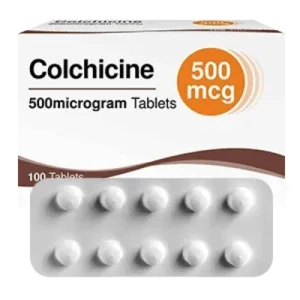
Anti-inflammatory medicines, colchicine, and corticosteroids have a different purpose. They control inflammation during a flare or help prevent flares during early urate-lowering treatment; they do not replace long-term uric-acid reduction.
Major interaction risks include:
Genetic testing for the HLA-B*58:01 allele can help identify a higher risk of severe cutaneous reactions in selected populations. The CPIC guideline describes this association and supports genotype-guided avoidance in patients with a positive result [5].
Pregnancy and breastfeeding require an individual treatment decision based on disease severity and available alternatives.
Allopurinol is not suitable for everyone. This medication is not for you if:
Do not make a sudden change to long-term urate-lowering therapy without a specific medical plan.
Digestive symptoms can occur, including nausea, abdominal discomfort, diarrhoea, or vomiting. Taking the tablet after food may make these symptoms easier to tolerate. Mild dizziness or headache can also occur.
A skin rash requires prompt medical attention because a small proportion of reactions can progress rapidly. Serious reactions may include Stevens–Johnson syndrome, toxic epidermal necrolysis, drug reaction with eosinophilia and systemic symptoms, and Allopurinol hypersensitivity syndrome. Warning signs include:
Stop taking further doses and obtain urgent medical assessment if a new rash develops after starting Allopurinol, especially when fever, blisters, mouth sores, or facial swelling occur. Re-exposure after a serious hypersensitivity reaction can be dangerous. Severe reactions are uncommon, but delaying assessment is a serious error [4].
Kidney impairment can increase exposure to oxypurinol. Liver disease may also require closer monitoring. A sudden increase in joint pain during the first weeks does not necessarily indicate allergy, but a rash is a different warning sign and should not be treated as an ordinary gout flare.
Several recurring errors make treatment less reliable:
In clinical practice, doctors usually judge Allopurinol by serum urate results, flare frequency, tophus size, kidney history, and treatment tolerance rather than by how quickly a tablet changes pain.
A physician may explain that treatment is adjusted in stages. The first dose is not necessarily the final dose, and a lack of immediate symptom relief does not show that the medicine is ineffective. The aim is sustained urate control, which may allow the body to gradually clear crystal deposits.
Doctors also look for practical causes of poor response. Missed doses, unrecognised kidney impairment, interacting medicines, and stopping treatment during a flare can all disrupt progress. Diet can influence uric acid, but dietary changes alone may not control established gout in patients with recurrent attacks or tophi.
One useful clinical distinction is between a temporary flare and a true drug reaction. Joint pain without a rash may occur during early urate lowering. Rash, fever, mucosal sores, or facial swelling requires a different response.
Allopurinol lowers uric acid for prevention rather than providing rapid anti-inflammatory pain relief. NICE guidance published in 2022 separates acute flare treatment from long-term urate-lowering therapy. A clinician may continue Allopurinol during a flare while prescribing a separate anti-inflammatory treatment, depending on the patient’s medical history.
The biochemical effect begins after treatment starts, but crystal reduction and fewer flares usually require sustained use. The American College of Rheumatology guideline from 2020 supports dose adjustment toward a serum urate target rather than judging treatment after only a few days. Early flares can happen while urate deposits are changing.
Yes. A mild rash can be the first sign of a serious hypersensitivity reaction, so any new rash deserves prompt assessment. The FDA prescribing information for Allopurinol, revised in 2023, describes severe cutaneous reactions, including blistering disorders and systemic hypersensitivity. Fever, mouth sores, facial swelling, or peeling skin make urgent evaluation especially important.
People with kidney disease may take Allopurinol when the dose is selected carefully and monitoring is arranged. NICE recommendations from 2022 support dose adjustment based on renal function and serum urate response. Kidney impairment can increase oxypurinol exposure, so rapid self-directed dose increases are unsuitable.
By lowering uric acid production, Allopurinol can reduce the tendency to form uric-acid crystals and may be used in selected patients with uric-acid stones. NICE guidance from 2022 notes that urate crystals can form when uric acid concentrations become excessive. Stone type, urine chemistry, kidney function, and fluid restrictions still affect the treatment plan.
The combination can cause a dangerous increase in azathioprine exposure unless a specialist makes a major dose adjustment and arranges blood monitoring. The British National Formulary interaction guidance, available in 2025, has long identified this as a clinically significant interaction. Never combine these medicines casually or assume that spacing the tablets several hours apart removes the risk.
Stopping treatment during a flare can interrupt urate control and may create confusion about the treatment plan. The American College of Rheumatology guidance from 2020 supports continuing established urate-lowering therapy while the acute flare receives appropriate anti-inflammatory management. A new rash or symptoms of hypersensitivity are different and require urgent medical assessment.
Your order will be securely packed and shipped within 24 hours. This is exactly what your package will look like (images of an actual item sent). It has the size and look of a regular private letter (24x11x0.7 cm) and its contents cannot be seen.
The first weeks were frustrating because I had another flare after starting treatment. The urate tests later improved, and taking the tablet with dinner helped with nausea.
I had expected pain relief from the first dose, so I initially misunderstood the treatment. Once the purpose was explained, I continued the daily schedule and used separate flare treatment when required.
The tablets were manageable for several months, but I developed a new itchy rash. I stopped further doses and sought urgent assessment rather than waiting to see whether it disappeared.