Verified
The first week left me groggy until late morning. My nerve pain became less intrusive by about week four, and I could sleep through more nights. Dry mouth remained manageable with water and sugar-free gum.
21 Oct 2026

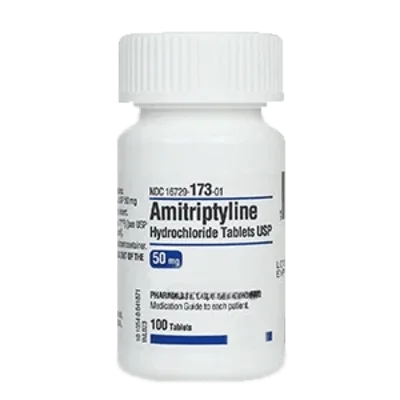
Amitriptyline is a tricyclic antidepressant medicine for people with depression, nerve-related pain, or recurrent headaches. It can help reduce pain signalling and increase serotonin and norepinephrine activity.
Amitriptyline is a tricyclic antidepressant used for major depressive disorder and several nerve-related pain conditions. It may also help prevent migraine or tension-type headaches when prescribed for that purpose.
Amitriptyline belongs to the tricyclic antidepressant class. The product contains amitriptyline hydrochloride; the dose is stated on the pack — follow the leaflet. 100 tablets are supplied per bottle. Its recognised psychiatric indication is major depressive disorder, while lower-dose treatment is widely used in pain medicine and neurology.
For major depressive disorder, amitriptyline changes the availability of serotonin and norepinephrine between nerve cells. Mood improvement may take several weeks, while sleepiness and dry mouth can appear after the first doses.
Amitriptyline is not usually selected first for every patient with depression because its anticholinergic and cardiovascular effects can be more troublesome than those of newer antidepressants. Physicians may still select it when insomnia, chronic pain, or previous treatment response forms part of the clinical picture.
Lower doses are commonly used for peripheral neuropathy, post-herpetic neuralgia, diabetic nerve pain, and other persistent pain syndromes. The pain-relieving effect does not mean that the medicine repairs damaged nerves. It reduces the way the central nervous system processes pain signals.
Neurologists may also prescribe amitriptyline to reduce the frequency or intensity of migraine and tension-type headaches. This is preventive treatment, so it is taken regularly rather than only when a headache begins.
Amitriptyline tablets are taken by mouth. The prescriber selects the dose according to the indication, age, kidney and liver function, cardiac history, concurrent medicines, and response during titration.
Typical clinical pathways include:
The dose is stated on the pack — follow the leaflet. A tablet may be difficult to divide accurately unless it is designed for splitting, and changing the dose too quickly increases adverse-effect risk.
A missed dose is taken when remembered unless the next scheduled dose is near. Skipping the missed dose is safer than doubling. An accidental extra dose requires urgent medical advice because serious toxicity can develop even when the person initially feels only sleepy.
The medicine increases serotonin and norepinephrine activity while reducing pain signalling.
Amitriptyline blocks muscarinic acetylcholine receptors, histamine receptors, and some alpha-adrenergic receptors. Those actions explain many of its benefits and drawbacks.
Amitriptyline belongs to the tricyclic antidepressant class. Its recognised psychiatric indication is major depressive disorder, while lower-dose treatment is widely used in pain medicine and neurology.
Lower doses are commonly used for peripheral neuropathy, post-herpetic neuralgia, diabetic nerve pain, and other persistent pain syndromes.
Neurologists may also prescribe amitriptyline to reduce the frequency or intensity of migraine and tension-type headaches.
Amitriptyline is a tertiary-amine tricyclic antidepressant. Its strong sedative and anticholinergic activity often makes it useful at night, yet those same properties can limit treatment in older adults or people with glaucoma, constipation, urinary retention, or cardiac disease.
| Medicine or category | Clinical profile |
|---|---|
| Amitriptyline | Stronger sedation and anticholinergic effects; commonly selected for depression, neuropathic pain, or headache prevention |
| Nortriptyline | A related secondary-amine tricyclic with less sedation and anticholinergic burden for some patients |
| Doxepin or imipramine | Tricyclic options with different balances of sedation, anticholinergic effects, and clinical indications |
Nortriptyline is sometimes chosen when amitriptyline causes excessive morning grogginess, constipation, or dry mouth. Amitriptyline may be preferred when evening sedation is useful or when pain and sleep disruption occur together.
Doxepin has prominent antihistamine activity at low doses, while imipramine has a broader antidepressant history and may affect blood pressure and cardiac conduction. Desipramine generally causes less sedation than amitriptyline but may feel more activating. Clomipramine has strong serotonergic activity and is used in selected obsessive-compulsive disorder treatment plans.
Other tricyclic-related medicines include trimipramine, protriptyline, amoxapine, maprotiline, and lofepramine. They are not interchangeable tablet for tablet. Choice depends on the diagnosis, adverse-effect priorities, interaction profile, and the prescriber’s experience. A Cochrane review found that amitriptyline can provide meaningful relief for some neuropathic pain patients, while also emphasising that response varies and adverse effects can lead to discontinuation [2]. Follow-up helps determine whether benefits justify continued treatment.
MAO inhibitors must not be combined with amitriptyline. A suitable washout period is required when switching between these medicines, and the exact interval depends on the MAO inhibitor and the treatment plan.
| Interacting medicine or class | Main concern |
|---|---|
| Tranylcypromine, selegiline, phenelzine, linezolid | Severe toxicity, agitation, fever, blood-pressure changes, seizures, or serotonin toxicity |
| Opioids, sleeping medicines, sedating antihistamines, alcohol | Excessive sedation, impaired breathing, falls, and poor coordination |
| Cimetidine, some antidepressants, and enzyme inhibitors | Higher amitriptyline concentrations and stronger adverse effects |
Carbamazepine and other enzyme-inducing medicines can lower amitriptyline concentrations, while some medicines can raise them. Cimetidine may increase exposure. A clinician may need to review the full medication list before changing either treatment.
Older adults are more vulnerable to confusion, falls, low blood pressure, constipation, urinary retention, and rhythm problems. A lower dose and slower titration may be appropriate.
People with cardiovascular disease may require a cardiac assessment before treatment, especially when higher doses are considered. A history of fainting, palpitations, prolonged QT interval, or unexplained sudden death in the family deserves medical attention before starting therapy.
Amitriptyline can worsen urinary retention in men with prostate enlargement and may raise eye pressure in people with narrow-angle glaucoma. It can also aggravate orthostatic hypotension, which causes dizziness after standing.
Young adults and adolescents require close observation for worsening depression, agitation, impulsivity, or suicidal thinking during early treatment or dose changes. New suicidal thoughts, severe restlessness, or abrupt behavioural change requires urgent medical help.
Pregnancy and breastfeeding require an individual risk assessment. Amitriptyline passes into breast milk in small amounts, and clinicians consider infant sedation and feeding difficulties when deciding whether treatment should continue.
Common effects include:
These effects may ease after the first weeks, though constipation, dry mouth, and daytime sedation can persist. Drinking alcohol can worsen impaired coordination and sleepiness.
Cardiac effects require more caution. Amitriptyline can cause a fast heartbeat, changes in cardiac conduction, low blood pressure, or rhythm disturbance, with greater concern in overdose or in people with existing heart disease. Seizures, severe confusion, mania, liver injury, and serious allergic reactions are uncommon but require prompt medical assessment. The FDA label also includes warnings about suicidal thoughts and behaviour in children, adolescents, and young adults receiving antidepressants [1].
One practical problem is driving the morning after an evening dose. A person may feel mentally slowed even when they believe they slept normally.
Dry mouth can also affect teeth. Sugar-free gum, frequent sips of water, and careful dental hygiene may reduce discomfort, but severe mouth dryness can increase the risk of dental decay.
Several avoidable errors can make amitriptyline seem unsuitable or increase harm:
One subtle mistake is taking the evening dose at a different time each night while also changing caffeine, alcohol, or sleep patterns. That makes it harder to identify whether morning drowsiness comes from the medicine or from the surrounding routine.
In clinical practice, physicians often introduce amitriptyline cautiously because the first noticeable effect may be sedation rather than pain relief or mood improvement. A low starting dose gives the patient time to assess morning alertness, dizziness, dry mouth, bowel function, and urinary symptoms before further titration.
Doctors also distinguish treatment goals. A person taking amitriptyline for nerve pain may need a different dose range from someone treated for major depressive disorder. Headache prevention is judged by the number of headache days over time, not by whether one dose stops an acute attack.
Clinicians usually review response after a defined interval rather than increasing the dose every few days. A patient who reports no benefit but has severe constipation, faintness, or palpitations may need a different strategy rather than a higher dose.
The World Health Organization includes tricyclic antidepressants among medicines requiring careful management because of overdose toxicity, interaction potential, and the need to match treatment to the patient’s condition [3].
Pain relief may begin during the first two weeks, but the full preventive effect can take several weeks. NICE guidance for neuropathic pain recommends reviewing benefit, tolerability, and functional improvement rather than judging treatment after one or two doses. A 2020 NICE update supports amitriptyline as one option for selected neuropathic pain patients.
Sedation is common because amitriptyline blocks histamine receptors in the brain. The effect is often strongest when treatment begins or after a dose increase, and some patients develop tolerance to daytime sleepiness. The FDA prescribing information (2018) describes drowsiness, dizziness, and anticholinergic effects as clinically relevant concerns for tricyclic antidepressants; driving ability should be assessed individually.
Alcohol can intensify drowsiness, impaired coordination, dizziness, and poor judgement caused by amitriptyline. The combined effect may increase fall and accident risk, especially in older adults or people taking opioids or sleeping medicines. WHO medication-safety principles published in 2017 support avoiding combinations that add central nervous system depression.
Pregnancy decisions depend on the treatment indication, dose, stage of pregnancy, previous response, and available alternatives. Stopping suddenly can cause withdrawal symptoms or return of depression and pain, so changes should be planned rather than made abruptly. The Royal College of Obstetricians and Gynaecologists has published guidance in 2023 supporting individualised risk–benefit decisions for antidepressant treatment during pregnancy.
Older adults can experience stronger anticholinergic effects, confusion, postural hypotension, falls, constipation, urinary retention, and heart-rhythm problems. Clinicians usually begin with a lower dose and review balance, cognition, bowel function, and blood pressure. The American Geriatrics Society Beers Criteria, updated in 2023, lists tertiary tricyclic antidepressants as medicines that often require avoidance or heightened caution in older adults.
Sudden discontinuation after regular treatment may cause nausea, headache, sweating, irritability, disturbed sleep, and recurrence of the treated condition. A gradual reduction is commonly used, with the pace adapted to treatment duration, dose, and symptoms. The FDA antidepressant safety information from 2018 advises monitoring during dose changes and discontinuation, especially when mood symptoms are involved.
An overdose can cause severe drowsiness, seizures, coma, low blood pressure, and dangerous heart-rhythm disturbances. Symptoms may progress rapidly, so waiting for them to improve at home is unsafe. The FDA prescribing information (2018) and poison-control guidance support immediate emergency assessment after a suspected tricyclic antidepressant overdose.
Your order will be securely packed and shipped within 24 hours. This is exactly what your package will look like (images of an actual item sent). It has the size and look of a regular private letter (24x11x0.7 cm) and its contents cannot be seen.
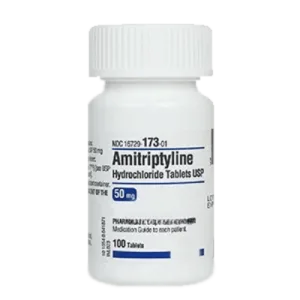

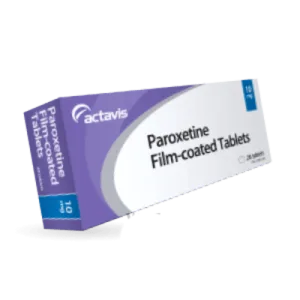

The first week left me groggy until late morning. My nerve pain became less intrusive by about week four, and I could sleep through more nights. Dry mouth remained manageable with water and sugar-free gum.
Headache days fell after several weeks rather than immediately. I gained some weight and felt constipated, so the dose had to be reviewed. It helped, but the side effects meant that the lowest useful dose mattered.
I felt dizzy when standing and nearly fell in the bathroom. The medicine was stopped and my treatment plan changed. The pain benefit had not appeared before the dizziness became a problem.
Sleep improved first, while mood took longer. I had dry mouth and felt less sharp during morning meetings for the first two weeks. The symptoms eased after the dose and timing were adjusted.