Verified
The first week brought nausea and restless sleep. By the fourth week I could finish work without crying, and the nausea had mostly settled. I still needed help with low desire.
27 Sep 2026

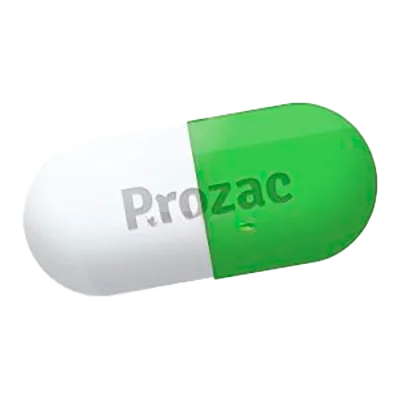
Prozac is a prescription SSRI antidepressant for people with depression, obsessive-compulsive disorder, bulimia nervosa, or panic disorder. Its active ingredient, fluoxetine, gradually increases serotonin signalling to support improvement in mood, anxiety, and related symptoms.
Prozac is a prescription antidepressant containing fluoxetine, a selective serotonin reuptake inhibitor (SSRI). It is used for major depressive disorder, obsessive-compulsive disorder, bulimia nervosa, and panic disorder.
The active pharmaceutical ingredient is fluoxetine. The product is taken orally as capsules, with the prescribed schedule selected according to the diagnosis, age, response, and tolerability.
Fluoxetine has a long-acting metabolite called norfluoxetine. This contributes to prolonged activity after a dose is missed or treatment is changed. The same feature can make adverse effects or interactions persist longer than expected.
Use Prozac only according to the prescribed regimen. The exact schedule depends on the diagnosis, previous antidepressant exposure, age, liver function, other medicines, and treatment response.
Fluoxetine’s long half-life gives it a different missed-dose profile from short-acting antidepressants. A missed dose may be less noticeable than with some other medicines, yet repeated missed doses can still reduce treatment consistency.
Alcohol can worsen dizziness, impaired judgement, or sleep disturbance. Combining fluoxetine with recreational substances creates additional psychiatric and cardiovascular risks. Tell the prescriber about all antidepressants, migraine medicines, pain medicines, herbal products, and stimulants before treatment begins.
SSRIs reduce the reuptake of serotonin from the synaptic cleft. More serotonin remains available between nerve cells, which gradually changes signalling in brain circuits involved in mood, anxiety, impulse control, and repetitive thoughts. The effect is not immediate because changes in receptor sensitivity and neural networks develop over time.
Fluoxetine blocks the serotonin transporter, often abbreviated as SERT. This reduces the movement of serotonin back into the presynaptic nerve cell. The resulting increase in serotonin availability supports gradual changes in emotional regulation and anxiety-related circuits.
The FDA prescribing information describes fluoxetine as an SSRI with approved psychiatric uses and specific warnings concerning suicidal thoughts, serotonin toxicity, and drug interactions [1].
Prozac is used for several psychiatric conditions. The dose and treatment plan differ between diagnoses, so the same capsule schedule is not appropriate for every patient.
Approved and established clinical uses include:
The EMA product information describes fluoxetine treatment for depressive illness, obsessive-compulsive disorder, and bulimia nervosa, with prescribing decisions based on the patient’s symptoms and response [2]. Panic disorder may require gradual dose adjustment because early activation or increased anxiety can occur in some patients.
For major depressive disorder, fluoxetine may help relieve persistent low mood, loss of interest, guilt, reduced energy, sleep disturbance, appetite change, and impaired concentration. Improvement is usually gradual. A person may notice more energy before feeling emotionally better, which can require close observation during the early phase.
In obsessive-compulsive disorder, fluoxetine targets intrusive thoughts and repetitive behaviours. Improvement may take longer than patients expect because obsessive symptoms often respond more slowly than sleep or appetite changes.
Panic disorder requires careful monitoring of agitation, restlessness, and panic frequency during early treatment. Psychological therapy, including cognitive behavioural therapy, may be used alongside fluoxetine when clinically appropriate.
Bulimia nervosa is treated with a structured plan that addresses binge eating, compensatory behaviours, nutritional status, and psychological triggers. Fluoxetine does not replace nutritional care or psychotherapy.
Antidepressants differ in mechanism, duration of action, interaction profile, and typical side effects. The best option depends on the diagnosis, previous response, coexisting conditions, and other medicines.
| Active ingredient or class | Pharmacological profile | Main clinical limitation |
|---|---|---|
| Fluoxetine | SSRI with a long-acting metabolite | Delayed clearance can prolong interactions |
| Sertraline or escitalopram | SSRIs with generally shorter persistence | Gastrointestinal or sexual side effects may occur |
| Venlafaxine or duloxetine | Serotonin-noradrenaline reuptake inhibitors | Blood pressure, withdrawal, or nausea concerns |
| Bupropion | Noradrenaline-dopamine reuptake inhibitor | Unsuitable for some seizure or eating-disorder histories |
Fluoxetine’s long activity can be useful when occasional missed doses occur, yet it complicates switching to medicines that also increase serotonin. A washout interval may be needed before monoamine oxidase inhibitors or certain other antidepressants are started.
Sertraline and escitalopram are often considered when a shorter persistence is preferred. Venlafaxine and duloxetine also affect noradrenaline and may be selected when pain symptoms accompany depression. Bupropion has a different neurotransmitter profile and is not appropriate for people with certain seizure risks or bulimia nervosa.
Brand names do not determine the pharmacology. The active ingredient, class, dose, interactions, and patient history do.
Prozac is not suitable for every patient. A prescriber should review the following conditions before treatment begins:
Do not combine fluoxetine with an MAO inhibitor unless a specialist has planned the required washout period. Combining serotonergic medicines can cause serotonin syndrome. Relevant examples include some migraine triptans, tramadol, lithium, linezolid, other antidepressants, and herbal products containing St John’s wort.
Fluoxetine can increase bleeding risk when used with aspirin, non-steroidal anti-inflammatory drugs, or anticoagulants. It also inhibits CYP2D6, an enzyme that metabolises several medicines. This can alter exposure to selected antipsychotics, antiarrhythmics, opioids, and other prescription drugs.
NOT for you if you take an MAO inhibitor, have had a serious reaction to fluoxetine, or need assessment for bipolar disorder; discuss these risks with a prescriber.
Fluoxetine is tolerated by many patients, but side effects can appear during the first days or weeks. Some improve as the nervous system adapts; others persist and require a dose review or a different treatment plan.
Common reactions may include:
Early nausea may be easier to tolerate when the capsule is taken with food, provided the prescribed instructions allow this. Drinking water and using sugar-free gum may help with dry mouth. Persistent vomiting, dehydration, or inability to eat requires prompt medical attention.
Sexual side effects can include reduced desire, delayed orgasm, erectile difficulty, or delayed ejaculation. Patients sometimes avoid mentioning these symptoms, although they can affect adherence and relationships. A prescriber may consider timing, dose, another treatment approach, or an alternative cause.
Antidepressants may increase suicidal thoughts or unusual behavioural changes in children, adolescents, and young adults, especially during treatment initiation or dose changes. New agitation, severe restlessness, impulsive behaviour, worsening depression, or thoughts of self-harm require urgent medical assessment.
Serotonin syndrome is a rare but serious reaction caused by excessive serotonergic activity. Warning signs include confusion, severe agitation, fever, sweating, diarrhoea, muscle rigidity, tremor, clonus, rapid heartbeat, or loss of coordination. Emergency care is required when these symptoms occur, especially after adding or increasing another serotonergic medicine.
Mania or hypomania can occur in people with bipolar disorder. Reduced need for sleep, unusually elevated mood, rapid speech, racing thoughts, risky behaviour, or marked irritability should be reported promptly. Fluoxetine requires careful psychiatric assessment when bipolar disorder is possible.
Several avoidable errors can reduce benefit or increase risk:
One common misconception is that fluoxetine can be stopped abruptly because withdrawal may feel milder than with shorter-acting SSRIs. Its long persistence may reduce abrupt discontinuation symptoms for some people, but unsupervised stopping can still allow depression, panic, or obsessive symptoms to return.
In clinical practice, prescribers often explain that fluoxetine should be judged over weeks, not hours. Sleep or appetite may change first, while motivation, hopelessness, compulsive thoughts, or panic symptoms take longer to improve.
A psychiatrist will usually ask about activation, suicidal thoughts, sleep reduction, sexual function, adherence, alcohol, and new medicines. These questions are routine because side effects and early behavioural changes can guide treatment adjustments.
Patients sometimes expect fluoxetine to calm them immediately. It does not function as an acute sedative. Its intended action develops through sustained serotonin transporter inhibition and longer-term adaptation in neural circuits.
A practical prescribing decision also considers the patient’s previous antidepressant response. Fluoxetine may be useful when a long-acting SSRI is appropriate, while another class may suit someone with prominent pain, severe insomnia, troublesome sexual effects, or a high interaction burden.
Early changes may appear during the first one to two weeks, while fuller improvement often develops over two to six weeks. The FDA's 2023 prescribing information describes antidepressant monitoring during the early treatment period because mood changes and suicidal thoughts can emerge before the full benefit appears. A treatment review may be needed if symptoms remain severe after an adequate trial.
Fluoxetine should not be stopped without a planned medical decision. Its long half-life may reduce discontinuation symptoms compared with shorter-acting SSRIs, but relapse and delayed adverse effects remain possible. The EMA's 2024 product information supports gradual clinical review when treatment is changed, especially after prolonged use.
Alcohol can worsen dizziness, impaired judgement, sleep disturbance, or mood instability during fluoxetine treatment. The WHO's 2023 guidance recognises alcohol use as a factor that can complicate depression management and treatment adherence. Avoiding alcohol is the safer approach while the individual response is being assessed.
MAO inhibitors require a strict separation period because the combination can cause life-threatening serotonin toxicity. Tramadol, some triptans, lithium, linezolid, other antidepressants, and St John’s wort can also raise serotonergic risk. NICE's 2022 guidance on depression treatment supports a full medicines review before switching or combining antidepressants.
Suicidal thoughts can occur or worsen, especially in adolescents and young adults during initiation or dose changes. The FDA's 2023 boxed-warning information requires prominent warnings and close monitoring for new suicidal thinking, agitation, or unusual behaviour. Urgent medical help is needed for thoughts of self-harm, a suicide plan, or rapidly worsening distress.
Fluoxetine can reduce sexual desire, delay orgasm, or cause delayed ejaculation. These effects may persist while treatment continues and deserve direct discussion because they can affect adherence. The EMA's 2024 safety information includes sexual dysfunction among recognised SSRI-related reactions.
Your order will be securely packed and shipped within 24 hours. This is exactly what your package will look like (images of an actual item sent). It has the size and look of a regular private letter (24x11x0.7 cm) and its contents cannot be seen.

The first week brought nausea and restless sleep. By the fourth week I could finish work without crying, and the nausea had mostly settled. I still needed help with low desire.
My panic felt more noticeable at first, so the prescriber reviewed the timing and followed up closely. Sleep improved before the panic attacks did. The improvement was gradual rather than dramatic.
Fluoxetine reduced the constant low mood and made therapy easier. I missed several doses during travel and noticed irritability, so I started using a calendar reminder.
The medicine helped my mood, but delayed ejaculation became a real problem. I stopped taking it without advice and symptoms returned, so the prescriber discussed a safer adjustment.