Verified
The first week brought nausea and restless sleep. Taking the tablet after breakfast helped my stomach, and anxiety began easing gradually rather than overnight.
27 Sep 2026

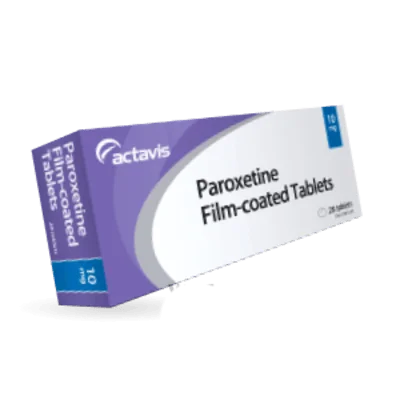
Paroxetine is a prescription SSRI antidepressant for adults with diagnosed depression or anxiety-related disorders. It is used when a clinician has selected an appropriate treatment plan. By reducing serotonin reuptake between nerve cells, it can gradually improve mood, anxiety, panic symptoms, and obsessive thoughts.
Paroxetine is an SSRI antidepressant used for depression and several anxiety-related disorders. It contains paroxetine as its active ingredient and belongs to the selective serotonin reuptake inhibitor class, known as SSRIs.
Paroxetine contains paroxetine as its active ingredient in a film-coated tablet. The dose is stated on the pack—follow the leaflet. Paroxetine belongs to the selective serotonin reuptake inhibitor class, known as SSRIs.
An SSRI reduces the reuptake of serotonin, allowing this chemical messenger to remain available for longer between nerve cells. Paroxetine hydrochloride is the salt form used in many paroxetine medicines.
Paroxetine is prescribed for diagnosed mental health conditions rather than for occasional sadness or everyday stress. Depending on the clinical assessment, treatment may be considered for:
The approved indications differ between regulatory jurisdictions and formulations. A prescriber also reviews age, pregnancy status, suicide risk, previous antidepressant response, and other medicines before selecting paroxetine.
Paroxetine may reduce anxiety, yet anxiety can briefly feel stronger during the first treatment days. This early change deserves prompt clinical attention if it becomes severe or is accompanied by suicidal thoughts.
Paroxetine is taken orally as a tablet, usually once daily. The appropriate dose depends on the indication, response, age, kidney or liver function, other medicines, and whether the formulation is immediate-release or controlled-release.
The dose is stated on the pack—follow the leaflet. It may be used as part of a clinician-directed regimen. The exact treatment schedule belongs to the prescribing clinician because starting doses, dose increases, and maximum doses differ between conditions.
For older adults and people with liver or kidney impairment, clinicians may use a lower dose or slower dose adjustment. The same approach may apply when several medicines affect paroxetine metabolism.
If a dose is remembered later on the same day, the usual approach is to take it unless the next dose is near. If the next scheduled dose is close, skip the missed dose and resume the normal schedule. Do not take two doses together.
Paroxetine should not be stopped suddenly. Discontinuation symptoms can include dizziness, nausea, electric-shock sensations, irritability, vivid dreams, sweating, sleep disturbance, and flu-like feelings. A gradual reduction planned by a prescriber can reduce this risk.
A dose review is needed when:
Paroxetine blocks the serotonin transporter, the protein that normally removes serotonin from the synapse. A synapse is the microscopic space through which one nerve cell signals to another.
The medicine does not simply create an instant increase in happiness. It changes serotonin signalling gradually, while the nervous system adapts to altered communication between nerve cells.
Paroxetine is a selective serotonin reuptake inhibitor rather than a sedative. Its main pharmacological action involves serotonin, not direct stimulation or suppression of the entire brain.
FDA prescribing information describes this monitoring need, especially after treatment begins or the dose changes [1].
Paroxetine is prescribed for diagnosed mental health conditions rather than for occasional sadness or everyday stress. Depending on the clinical assessment, treatment may be considered for:
The approved indications differ between regulatory jurisdictions and formulations.
Paroxetine, fluoxetine, sertraline, and duloxetine can all be used in depression-related care, but they differ in class, metabolism, interactions, and clinical fit.
| Medicine | Class and common positioning | Practical limitation |
|---|---|---|
| Paroxetine | SSRI used for depression and several anxiety disorders | Discontinuation symptoms, sexual effects, and interaction burden |
| Fluoxetine or sertraline | SSRIs used for depression and anxiety disorders | Side effects and interaction profiles differ between the two |
| Duloxetine | SNRI used for depression, anxiety, and some pain conditions | Can affect blood pressure and requires planned switching |
Fluoxetine has a long-acting metabolite, so missed doses may be less noticeable than with paroxetine. Paroxetine leaves the body more quickly, which helps explain why abrupt interruption can cause symptoms sooner.
Sertraline is often considered when anxiety, depression, or a broader interaction review influences the choice. Duloxetine may be considered when depression coexists with certain chronic pain conditions, because it affects serotonin and noradrenaline.
Celexa is a brand associated with citalopram, while Cymbalta is associated with duloxetine. These names help medicine recognition, but they are not interchangeable with paroxetine. A switch requires a planned taper or cross-titration.
The choice depends on diagnosis, prior response, pregnancy considerations, sexual side effects, sleep, pain, other medicines, and patient preference. No antidepressant is the universal first choice for every person. NICE guidance describes antidepressant selection and review within a broader treatment plan [3].
Paroxetine is not for you if:
MAOIs and paroxetine can produce dangerous serotonin effects when combined or switched too closely together. The required washout period depends on the medicines involved, so a universal interval should not be assumed.
The EMA product information describes these precautions and interaction categories [2].
Paroxetine may not be suitable if you take medicines such as MAOIs or pimozide, have had a serious allergic reaction to it, or are taking another serotonin-affecting medicine without medical review. Tell your prescriber if you have symptoms of mania, epilepsy, bipolar disorder, glaucoma, liver disease, kidney disease, bleeding disorders, low sodium, or a history of suicidal behaviour. Pregnancy, breastfeeding, and any new medicine or supplement also require an individual medical review.
Paroxetine can cause side effects, especially during the first weeks. Common effects include nausea, diarrhoea, headache, sweating, tiredness, dry mouth, sleep changes, reduced appetite, and sexual dysfunction.
Some effects improve as the body adapts. Persistent sexual problems, emotional numbness, troublesome sweating, or weight changes should be discussed during follow-up rather than managed by abruptly stopping treatment.
| More common effects | Urgent symptoms |
|---|---|
| Nausea, diarrhoea, headache, sweating, fatigue, sleep changes, sexual dysfunction | Suicidal thoughts, severe allergic reaction, seizure, mania, unusual bleeding, or severe agitation |
Paroxetine can affect sexual desire, erection, orgasm, or ejaculation. These effects may continue during treatment and, in some patients, after stopping. A clinician may discuss dose adjustment or another treatment strategy.
Weight gain can occur, especially during longer treatment, although the extent varies between individuals. Regular meals, activity, and monitoring of weight can help identify a persistent change early.
Serotonin syndrome is a rare but serious reaction caused by excessive serotonin activity. Warning signs may include confusion, marked restlessness, fever, sweating, shivering, muscle rigidity, tremor, diarrhoea, rapid heartbeat, or loss of coordination.
The risk rises when paroxetine is combined with other serotonergic medicines. Severe or rapidly worsening symptoms require emergency care.
Urgent help is needed for suicidal thoughts, a sudden urge to act dangerously, severe allergic swelling, breathing difficulty, a seizure, or manic behaviour. Mania may involve very little sleep, unusually rapid speech, extreme confidence, impulsive spending, or risky decisions.
Abnormal bruising, nosebleeds, blood in vomit, or black stools can indicate increased bleeding risk. The risk is greater with anticoagulants, antiplatelet medicines, and non-steroidal anti-inflammatory drugs.
Frequent errors include:
Early nausea often improves, while severe agitation or suicidal thinking requires rapid assessment. These symptoms should not be treated as ordinary adjustment effects.
In clinical practice, doctors usually assess mood, anxiety, sleep, agitation, suicidal thinking, mania, adherence, side effects, and new interactions after starting paroxetine. The first follow-up is often more useful when the patient records both benefits and problems rather than reporting only whether the medicine “worked.”
A delayed response does not automatically mean treatment failure. Dose, diagnosis, duration, adherence, and coexisting conditions all influence the result.
Clinicians also ask about sexual function directly because patients may feel uncomfortable raising it. This side effect is common enough to deserve routine discussion, not silent acceptance.
Some physical symptoms may change during the first one to two weeks, while mood and anxiety often take longer to improve. FDA product information and clinical guidance available in 2023 describe gradual response rather than immediate relief. Worsening mood, intense agitation, or suicidal thoughts require prompt medical contact.
Take the missed tablet when remembered unless the next dose is near. If the next dose is close, skip the missed tablet and return to the usual schedule. NHS guidance available in 2024 support avoiding double doses when a regular medicine is missed.
Sudden discontinuation can cause dizziness, nausea, sensory disturbances, irritability, sleep problems, sweating, and flu-like symptoms. The risk is clinically recognised because paroxetine has a relatively short elimination period compared with fluoxetine. EMA safety information available in 2022 supports gradual dose reduction rather than abrupt cessation.
Alcohol can worsen drowsiness, impaired concentration, sleep disturbance, and mood instability during paroxetine treatment. The interaction is not reliably predictable for every person, so avoiding alcohol is the safer practical approach. NHS guidance available in 2024 also stresses caution when alcohol worsens antidepressant side effects.
Paroxetine may reduce libido or affect arousal, erection, ejaculation, or orgasm. These effects can occur even when mood improves and may persist during continued treatment. FDA safety information available in 2023 supports discussing persistent sexual dysfunction rather than stopping the medicine without a taper plan.
Controlled-release tablets should generally be swallowed whole unless the specific product information permits another method. Crushing or chewing may release the medicine too quickly and change the intended exposure. EMA product information available in 2022 advises following the handling instructions for the exact controlled-release formulation.
Emergency assessment is needed for suspected serotonin syndrome, seizures, severe allergic swelling, dangerous confusion, severe agitation, or suicidal intent. Serotonin syndrome may involve fever, tremor, rigidity, sweating, diarrhoea, and rapid deterioration. NHS guidance available in 2024 supports urgent evaluation for severe adverse reactions rather than home observation.
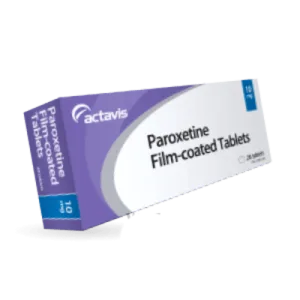
Your order will be securely packed and shipped within 24 hours. This is exactly what your package will look like (images of an actual item sent). It has the size and look of a regular private letter (24x11x0.7 cm) and its contents cannot be seen.



The first week brought nausea and restless sleep. Taking the tablet after breakfast helped my stomach, and anxiety began easing gradually rather than overnight.
Mood and panic symptoms improved by the second month. The difficult part was reduced sexual interest, which I had not expected and needed to discuss at follow-up.
I missed two doses during a busy week and felt dizzy with strange electric sensations. Returning to the prescribed routine helped, but the experience showed me why stopping or skipping tablets casually is a problem.
Sleep improved before motivation did. I still had tiredness in the afternoon, so the treatment plan was reviewed instead of changing the dose myself.
The medicine reduced constant worry, but early sweating was uncomfortable. It settled somewhat, and documenting it made the next appointment more useful.