
Verified
Inflamed spots became less painful after a few weeks. I still had clogged pores, so the doctor added a topical treatment. The capsules helped the red lesions, but the improvement was not immediate.
12 Oct 2026
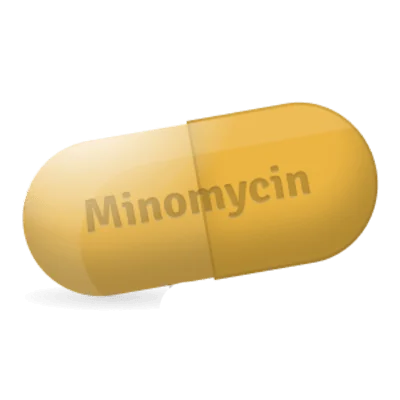
Minomycin is a prescription oral medicine for people who need treatment for certain bacterial infections or inflammatory acne. Its active ingredient, minocycline, slows bacterial growth and can also reduce inflammation.
Minomycin is an oral tetracycline antibiotic containing minocycline for bacterial infections and inflammatory acne. It is prescribed when a clinician considers systemic antibiotic treatment appropriate. Minocycline inhibits bacterial protein production and also has anti-inflammatory activity.
The active pharmaceutical ingredient is minocycline. It belongs to the tetracycline antibiotic class and has both antimicrobial and immunomodulatory effects. Regulatory information for oral minocycline describes its use in susceptible bacterial infections and dermatological conditions [1].
Minomycin refers to a minocycline-containing treatment. The clinically relevant information is the active ingredient, strength, dosage form, and prescribed schedule rather than the brand wording. A prescriber may use minocycline for acne or another susceptible infection when its benefits outweigh antibiotic-related risks.
Minomycin is supplied as oral capsules. The prescriber selects the dose and dosing interval according to the condition, renal and hepatic function, age, treatment response, and interactions with other medicines.
The exact regimen depends on the indication. Acne treatment and bacterial infection treatment may follow different schedules. A person who takes Minomycin for acne should not reuse an old schedule for a later flare without clinical review.
Antacids containing aluminium, calcium, or magnesium can reduce tetracycline absorption. Iron products can also interfere. Separating these products from minocycline according to professional dosing advice helps avoid a weaker antibiotic effect.
Minocycline attaches to the bacterial 30S ribosomal subunit. This blocks the addition of amino acids to growing bacterial proteins. Bacterial growth slows, allowing the immune system to remove the remaining organisms.
The anti-inflammatory effect is separate from direct bacterial killing. Minocycline can reduce some inflammatory pathways involved in acne, which may help with swollen papules and pustules. This does not make it appropriate for every inflammatory skin condition. Clinical suitability still depends on the diagnosis and safety profile. Prescribing decisions should account for the intended duration and available alternatives.
Minomycin is used when minocycline is suitable for the diagnosed condition. Its best-known dermatological use is moderate-to-severe inflammatory acne vulgaris. It may also be used for susceptible bacterial infections, guided by clinical assessment and local antimicrobial practice.
Acne treatment usually targets inflamed lesions rather than isolated blackheads or mild congestion. Improvement is gradual because existing lesions must settle and new lesions must reduce. A clinician may combine oral minocycline with topical treatment to reduce reliance on systemic antibiotics.
| Clinical setting | Main therapeutic role | Practical expectation |
|---|---|---|
| Inflammatory acne vulgaris | Antibacterial and anti-inflammatory treatment | Improvement develops gradually over several weeks |
| Susceptible bacterial infection | Inhibits bacterial protein synthesis | Response depends on the organism and infection site |
| Rheumatoid arthritis | Specialist or off-label anti-inflammatory use | Not a routine substitute for disease-modifying treatment |
Minocycline can help reduce inflammatory acne lesions caused by a combination of bacterial activity, blocked follicles, sebum, and immune response. It is less useful as a sole treatment for non-inflammatory comedones. Clinical guidelines advise limiting systemic antibiotic exposure and pairing it with a suitable non-antibiotic acne treatment when appropriate [2].
A practical concern is antibiotic resistance. Repeated courses, unnecessary continuation, or using leftover capsules can encourage resistant bacteria. Acne often needs maintenance treatment after oral antibiotic therapy, but maintenance is usually managed with a topical approach rather than indefinite antibiotic use.
One detail patients often miss is that acne may look worse before it looks better because old inflammatory lesions take time to resolve. New lesions should be assessed across several weeks, not judged after a few days.
Minocycline has been studied for rheumatoid arthritis because it may influence inflammatory processes in addition to its antibiotic action. This use is specialist-led and differs from its established role in bacterial infection and acne. It does not replace standard disease-modifying antirheumatic drugs when those treatments are indicated.
The American College of Rheumatology treatment approach prioritises therapies with established disease-modifying benefit. Minocycline may be considered in selected circumstances, but it is not a routine first-choice option for active rheumatoid arthritis.
Minomycin is an oral, single-ingredient minocycline treatment that works systemically by inhibiting bacterial protein production and reducing inflammation, unlike topical acne treatments that act mainly at the skin surface.
Minomycin is not suitable for everyone. A clinician should review the following situations before prescribing it.
Minocycline can interact with isotretinoin. The combination may increase the risk of intracranial hypertension. Retinoid treatment for acne should be disclosed before Minomycin is started.
Antacids and mineral supplements containing calcium, magnesium, aluminium, or iron can reduce absorption. Warfarin and other medicines requiring laboratory monitoring may need review because antibiotic treatment can alter clinical response or bleeding control. Minocycline can also worsen dizziness when combined with other medicines that impair alertness.
Minomycin is not for you if:
Sun sensitivity may occur. Use sensible sun protection and report an unusual sunburn-like reaction. A severe rash, swelling, breathing difficulty, or peeling skin requires urgent care.
Minocycline may cause gastrointestinal, neurological, skin, and pigment-related adverse effects. The likelihood depends on dose, treatment duration, individual sensitivity, and other medicines. FDA prescribing information identifies dizziness, nausea, headache, and pigment changes among clinically relevant reactions [3].
Possible reactions include:
Drowsiness and dizziness can affect driving, cycling, climbing, and machinery use. A person who feels unsteady should wait until the reaction has settled before performing tasks requiring balance or rapid decisions.
Constipation is less characteristic than nausea or diarrhoea, but it can occur. Adequate fluid intake and ordinary dietary fibre may help when appropriate. Severe abdominal pain, persistent vomiting, or bloody diarrhoea requires prompt medical assessment.
Minocycline can cause blue-grey, brown, or darker pigmentation in the skin, nails, gums, teeth, scars, or areas of previous inflammation. The risk rises with prolonged exposure and cumulative dose. Pigmentation may persist after treatment and can be difficult to reverse.
A useful clinical habit is to report new grey or blue discoloration early rather than waiting until the end of a long course. Photographs taken in consistent lighting can help a clinician judge whether a change is progressing.
Serious reactions are uncommon but medically significant. Seek urgent assessment for severe headache with visual disturbance, marked dizziness, fainting, facial swelling, breathing difficulty, blistering rash, yellowing of the skin, dark urine, severe joint pain, or symptoms suggesting an autoimmune reaction.
Several practical errors can reduce benefit or increase risk:
One small timing error can matter. Taking Minomycin alongside a mineral supplement may lower the amount absorbed, even when the capsule itself was swallowed correctly.
Patients also sometimes interpret dizziness as dehydration or tiredness. Minocycline can produce vestibular symptoms, so repeated episodes deserve a medication review rather than simple self-treatment.
In clinical practice, physicians usually reserve oral minocycline for conditions where topical treatment is insufficient or where a susceptible bacterial infection requires systemic therapy. The decision depends on the diagnosis, the severity of inflammation, previous antibiotic exposure, and the person’s risk of adverse effects.
For acne, a doctor generally expects a gradual response rather than an immediate cosmetic change. A treatment review helps determine whether inflammation is falling and whether an alternative approach is needed. Long courses without review are poor practice because resistance and cumulative pigment changes become more relevant over time.
For infection, symptom improvement does not prove that every bacterium has been eliminated. Fever, spreading redness, worsening pain, or new swelling during treatment can signal treatment failure or a complication.
The World Health Organization places antibiotic stewardship on preventing unnecessary exposure and preserving antibiotic effectiveness. That principle applies to Minomycin: use it for the diagnosed indication, take it on schedule, and avoid saving capsules for future symptoms [4].
Acne inflammation may begin to settle after several weeks, while fuller improvement can take longer. The American Academy of Dermatology guidance published in 2024 recommends reviewing systemic acne treatment rather than judging success after only a few doses. The response should be assessed alongside new lesion formation, irritation, and the need for maintenance treatment.
Food may affect tolerability, while mineral products can affect absorption. Guidance from the FDA current through 2025 distinguishes ordinary meals from aluminium, calcium, magnesium, and iron products, which require timing consideration. Follow the prescribed schedule and obtain a specific separation plan for supplements or antacids.
Yes, minocycline can cause dizziness, drowsiness, or vestibular symptoms. The EMA product information for minocycline-containing medicines available in 2024 describes these reactions as clinically relevant because they can impair driving and balance. Avoid hazardous activities until the effect is clear, and report persistent or severe symptoms.
Tetracycline antibiotics require careful assessment during pregnancy because of potential effects on fetal teeth and bone development. The WHO antibiotic safety principles used in 2025 support selecting treatment according to infection severity, pregnancy stage, and safer alternatives where suitable. Pregnancy, planned pregnancy, and breastfeeding should be disclosed before treatment.
The combination can increase concern about intracranial hypertension, which may present with persistent headache or visual disturbance. The British Association of Dermatologists guidance available in 2024 treats concurrent tetracycline and isotretinoin exposure as a combination requiring avoidance or specialist management. Do not start one while taking the other without a prescriber’s plan.
Minomycin acts against susceptible bacteria and does not treat viruses such as those causing ordinary colds. The European Centre for Disease Prevention and Control antibiotic guidance used in 2025 supports avoiding antibiotics when a bacterial infection is not suspected. Taking it for a viral illness exposes the person to adverse effects without addressing the cause.
Take the missed capsule when remembered unless the next scheduled dose is close. Skipping the missed dose is safer than taking two capsules together. NHS medicine-safety guidance in 2024 advises following the medicine-specific instructions and seeking urgent help if an accidental double dose causes severe dizziness, vomiting, or other concerning symptoms.
Your order will be securely packed and shipped within 24 hours. This is exactly what your package will look like (images of an actual item sent). It has the size and look of a regular private letter (24x11x0.7 cm) and its contents cannot be seen.
Inflamed spots became less painful after a few weeks. I still had clogged pores, so the doctor added a topical treatment. The capsules helped the red lesions, but the improvement was not immediate.
The infection symptoms eased during treatment, and I took each capsule with a large glass of water. I felt slightly dizzy after two doses, so I avoided driving and contacted the clinic.
My skin looked calmer after the first month. Later I noticed darker marks around old inflamed areas and needed a review to decide whether continuing was sensible.
The medicine upset my stomach when I took it before breakfast. Taking it with the food allowed by my prescriber was easier, although I still had occasional nausea.
The capsules reduced some painful spots, but dryness and fatigue made the routine inconvenient. The result was useful, though I needed a different plan for maintenance.