Description
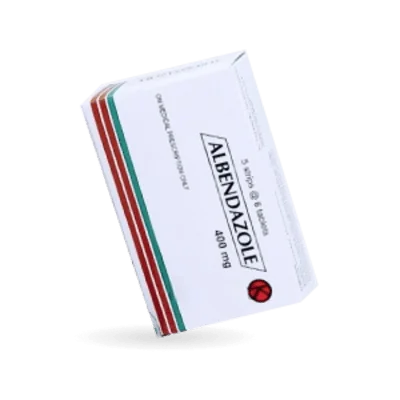
Albendazole is a benzimidazole antihelminthic medicine for selected parasitic worm infections. The tablets are used in adults and children when the infection and dose are clinically appropriate. The dose is stated on the pack — follow the leaflet.
Composition
The product contains albendazole in tablet form, with six tablets in the pack. The dose is stated on the pack — follow the leaflet. A tablet can suit some treatment protocols, but one tablet is not a universal answer for every intestinal helminth or every patient.
Dosage and usage
Albendazole dosage varies by parasite, age, body weight, liver function, pregnancy status, and infection site. The dose is stated on the pack — follow the leaflet. Other conditions need repeated doses or a longer supervised course. [3]
The dose depends on the parasite.
- Single-dose treatment: The dose is stated on the pack — follow the leaflet for selected intestinal worm infections.
- Short-course treatment: Some infections require treatment over several days, with the schedule selected by the prescriber.
- High-dose or extended therapy: Tissue infections and complicated parasitic disease require medical supervision, laboratory monitoring, and a confirmed diagnosis.
- Children: Dosing may depend on age, weight, infection, and local clinical guidance.
- Missed dose: Take the missed dose only according to the prescriber’s instructions. Do not double the next dose.
- Persistent symptoms: Do not repeat albendazole automatically because itching, abdominal discomfort, or tiredness continues.
Single-Dose Treatment
The dose is stated on the pack — follow the leaflet. It may not be enough for strongyloidiasis, tissue infection, heavy infestation, treatment failure, or reinfection.
A useful practical distinction is the difference between a standard tablet strength and a complete treatment plan. The tablet strength describes the amount in one tablet; it does not determine the duration for every infection.
High-Dose and Extended Therapy
High-dose albendazole pharmacotherapy may be used for selected tissue parasites under specialist direction. Longer courses can require blood counts and liver-function tests because liver injury and blood-count abnormalities become more relevant with prolonged exposure.
Patients receiving an extended course should report previous hepatitis, abnormal liver tests, unexplained bruising, or a history of low blood counts before treatment begins.
Taking the tablet with food may be advised for some treatment plans, while other regimens follow specific product or prescriber instructions.
How it works
Albendazole interferes with parasite beta-tubulin, a protein needed to build microtubules. Microtubules act as internal scaffolding and transport tracks that parasites need for cell maintenance, movement, and nutrient handling. Disrupting these structures reduces glucose uptake and energy production, helping immobilise and clear susceptible parasites. [2]
Microtubule Disruption and Parasite Immobilisation
A simple analogy is a transport network losing its tracks. Nutrients cannot move normally, cellular structures become unstable, and the parasite loses the ability to maintain itself.
The mechanism does not guarantee equal activity against every worm species. Drug response depends on the parasite, location of infection, life stage, dose exposure, and whether the medicine reaches the affected tissue.
Conversion to Albendazole Sulfoxide
After oral administration, albendazole is metabolised in the liver to albendazole sulfoxide. This is the principal active metabolite and contributes to systemic antiparasitic activity, including activity against susceptible tissue parasites.
Indications
Albendazole is an oral antihelminthic medication used against selected intestinal and tissue parasites. It belongs to the benzimidazole drug class and may be prescribed for ascariasis, hookworm infection, pinworm disease, and some other parasitic worm infections. The correct regimen depends on the organism, its life stage, and whether the infection remains in the intestine or has reached other tissues. [1]
Common Intestinal Helminth Infections
Albendazole can act against susceptible adult worms, larvae, or eggs, yet these life stages may respond differently. Symptom relief also does not prove that the parasite has been eradicated. A person can feel better while eggs remain, or continue to feel unwell after clearance because the intestine needs time to recover.
Pinworm disease deserves extra attention because reinfection may occur through contaminated fingers, fingernails, bedding, clothing, or household surfaces. Treating one person without addressing repeated household exposure can lead to another episode.
For suspected pinworm disease, short fingernails, careful handwashing after using the bathroom, morning bathing, and laundering sleepwear and bedding can reduce repeat exposure.
Strongyloidiasis and Specialist-Managed Infections
Strongyloidiasis caused by Strongyloides stercoralis can persist for years and may become dangerous in people receiving corticosteroids or other immunosuppressive treatment. A person with suspected strongyloidiasis needs an organism-specific plan rather than automatic single-dose albendazole therapy.
Taenia solium infections involving the nervous system, known as neurocysticercosis, require specialist assessment. The treatment plan can include brain imaging, corticosteroid management, seizure assessment, and monitoring for inflammatory reactions when parasites die.
Comparison
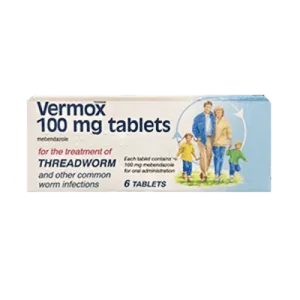
Albendazole and mebendazole are both benzimidazole antihelminthics, but their indications, regimens, tissue penetration, and monitoring needs differ. Neither medicine is automatically stronger for every parasitic infection.
Albendazole and mebendazole should not be switched casually. The best antihelminthic medication depends on the identified organism, infection site, pregnancy status, liver function, age, and current medicines.
Contraindications
- Serious allergic reaction to albendazole or a related benzimidazole medicine.
- Pregnancy or possible pregnancy without condition-specific medical advice.
- Active liver disease or unexplained abnormal liver tests requiring assessment.
- Unexplained low white-cell count or another significant blood disorder.
- Use in a child without an age-appropriate clinical instruction.
- Repeated doses for ongoing symptoms without confirming the diagnosis.
Interaction Review
Cimetidine is an example of a medicine that may alter albendazole exposure. The full interaction review should include prescribed medicines, over-the-counter treatments, herbal products, corticosteroids, anticonvulsants, and immunosuppressive therapy.
When this is not for you
Albendazole is not for you if:
- You have had a serious allergic reaction to albendazole or a related benzimidazole medicine.
- You are pregnant or may be pregnant and have not received condition-specific medical advice.
- You have active liver disease or unexplained abnormal liver tests requiring assessment.
- You have an unexplained low white-cell count or another significant blood disorder.
- You plan to give the tablets to a child without an age-appropriate clinical instruction.
- You intend to use repeated doses for ongoing symptoms without confirming the diagnosis.
Do not self-treat suspected worms during pregnancy. Pregnancy planning should be discussed before treatment when a prolonged course may be required.
People with previous hepatitis, cirrhosis, abnormal liver tests, or unexplained low blood counts should disclose this history before treatment.
Side effects
Albendazole may cause gastrointestinal and neurological adverse effects, especially during the first part of treatment. Abdominal discomfort, nausea, headache, and dizziness are recognised short-term effects. Many courses are tolerated without serious problems, yet prolonged or high-dose treatment requires closer attention. Short courses are often tolerated without laboratory monitoring. The duration of exposure affects the monitoring plan.
Common Short-Term Effects
Possible effects include:
- Abdominal pain or discomfort
- Nausea
- Headache
- Dizziness
- Temporary digestive upset
Do not assume that every symptom after treatment comes from albendazole; fever, severe diarrhoea, persistent fatigue, and weight loss can indicate the infection itself or another illness.
One practical detail is easy to miss: dizziness can make driving or operating machinery less suitable until the response to treatment is clear.
Serious Reactions and Laboratory Abnormalities
Seek urgent care for facial swelling, breathing difficulty, widespread blistering rash, or other severe allergic symptoms. Contact a clinician promptly for jaundice, dark urine, persistent vomiting, unusual bruising, bleeding, fever, or a persistent sore throat.
During prolonged treatment, clinicians may monitor liver enzymes and blood counts. A fall in white blood cells can increase infection risk, while liver injury may present with nausea, right-upper-abdominal discomfort, yellowing of the skin, or dark urine.
Persistent sore throat or fever during an extended albendazole course deserves prompt medical review, especially when blood-count monitoring has been scheduled.
What doctors say
In clinical practice, doctors usually focus first on identifying the parasite rather than treating every digestive complaint as worms. A stool result, exposure history, travel or household pattern, blood test, imaging study, or characteristic symptom may guide the choice of therapy.