Verified
A person described taking fenbendazole during conventional cancer treatment and attributed later imaging changes to the capsule. The report could not prove which treatment caused the response.
23 Oct 2026

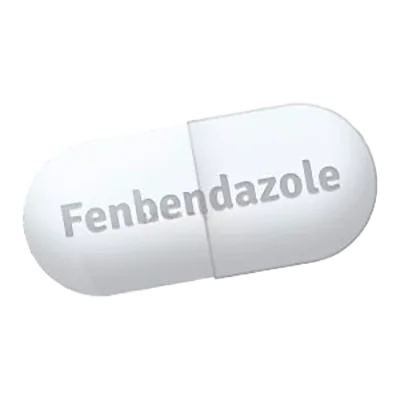
Fenbendazole is a veterinary antiparasitic capsule for animals with parasitic worm infections. It disrupts parasite microtubules, while human oncology use remains experimental and unvalidated.
Fenbendazole is a benzimidazole anthelmintic formulated as capsules for veterinary treatment of parasitic worm infections. Fenbendazole belongs to the benzimidazole class of anthelmintics.
The capsule contains fenbendazole as the named active substance. Fenbendazole belongs to the benzimidazole class of anthelmintics; other formulation ingredients are not specified here.
Benzimidazoles bind to parasite beta-tubulin, a protein required for microtubule formation. Microtubules support cell division, intracellular transport, and nutrient absorption. Disrupting them gradually weakens the parasite and contributes to its elimination from the gastrointestinal tract.
Fenbendazole is not an antibiotic. It does not treat bacterial infections, viral illnesses, or inflammatory diseases. Its pharmacological purpose is antiparasitic.
Laboratory research has examined whether benzimidazoles might affect cancer cells through several cellular pathways. These findings come mainly from cell cultures and animal models, where concentrations and exposure patterns may differ greatly from those achievable in people.
The proposed mechanisms include:
These mechanisms are biological hypotheses, not proof of a clinical cancer benefit. A compound can damage cancer cells in a dish while failing to reach effective concentrations in human tumour tissue or causing unacceptable toxicity at those concentrations.
A PubMed-indexed study involving fenbendazole and supplementary vitamins reported antitumour findings in experimental models, but it did not establish a treatment regimen for human cancer [2].
Fenbendazole has been used in veterinary parasitology for gastrointestinal worm infections affecting animals such as dogs, cats, horses, cattle, and other species. The permitted species, parasite targets, treatment duration, and withdrawal requirements differ between veterinary products.
Veterinary clinicians use fenbendazole against gastrointestinal nematodes and selected other internal parasites in animal medicine.
Fenbendazole, mebendazole, and ivermectin all have antiparasitic activity, but they belong to different regulatory and pharmacological contexts.
| Medicine | Drug class | Human clinical role |
|---|---|---|
| Fenbendazole | Benzimidazole anthelmintic | Established veterinary use; human oncology role remains experimental |
| Mebendazole | Benzimidazole anthelmintic | Human treatment for selected intestinal worm infections |
| Ivermectin | Macrocyclic lactone | Human treatment for specific parasitic infections under approved indications |
Mebendazole is chemically related to fenbendazole, yet the two medicines should not be treated as interchangeable. Human mebendazole dosing, indications, and safety monitoring come from human clinical data. Fenbendazole does not gain the same clinical status simply because both medicines are benzimidazoles.
Ivermectin works through different parasite targets and has a separate human evidence base. Its approval for particular parasitic diseases does not validate fenbendazole for cancer or other human conditions.
An EMA scientific assessment of veterinary antiparasitic medicines reinforces the need to consider species, exposure, residues, and target parasites when evaluating these compounds [3].
A validated human indication, human dosing schedule, and human treatment-monitoring protocol have not been established by the FDA or EMA [1].
Fenbendazole should not replace surgery, radiotherapy, chemotherapy, immunotherapy, targeted therapy, or another treatment prescribed for cancer.
Pregnancy and breastfeeding require specific assessment because human reproductive safety data are not established.
Not for you if you are seeking an unapproved substitute for cancer treatment or cannot discuss all medicines with a clinician.
A person receiving oncology care should disclose any use of fenbendazole before starting or changing cancer treatment.
A person with existing liver disease, hepatitis, heavy alcohol exposure, or treatment with hepatotoxic medicines may face greater risk.
Fenbendazole has veterinary safety information, but veterinary tolerability does not establish human safety. Possible concerns include gastrointestinal upset, abdominal discomfort, nausea, diarrhoea, appetite changes, fatigue, hypersensitivity, and liver injury.
Liver damage is a significant concern when an unvalidated compound is taken repeatedly or combined with other substances that affect hepatic metabolism. Symptoms requiring prompt medical assessment include yellowing of the skin or eyes, dark urine, pale stools, persistent vomiting, severe abdominal pain, unusual bleeding, marked weakness, or confusion.
Systemic inflammation has also been discussed in relation to adverse reactions and experimental use. A person with existing liver disease, hepatitis, heavy alcohol exposure, or treatment with hepatotoxic medicines may face greater risk.
Other practical safety points include:
Several mistakes can increase risk or create false expectations:
The most useful clinical information is specific: capsule strength, total amount taken, dates of administration, symptoms, known liver conditions, and every medicine taken during the same period.
A veterinary clinician would expect fenbendazole to be used for selected parasitic worm infections in animals, with results depending on the parasite, species, and approved regimen. Use the capsules consistently as directed and consult a physician or veterinary clinician when the diagnosis, dose, duration, or response to treatment is unclear.
Fenbendazole has been studied in laboratory cancer models, but its established clinical role is veterinary antiparasitic treatment. The FDA and EMA evidence standards require human data on dose, safety, interactions, and outcomes before a cancer indication can be supported. Research available through 2025 has not established fenbendazole as a routine human oncology treatment.
A safe universal combination schedule has not been established. Chemotherapy such as docetaxel can affect blood counts, liver function, and infection risk, while fenbendazole may add unpredictable metabolic or hepatic effects. Oncology teams should know about fenbendazole before treatment decisions are made, consistent with FDA principles for investigational medicine safety described in 2024.
Liver injury is a recognised concern when unvalidated human exposure is considered, especially with repeated dosing or other hepatotoxic medicines. Warning symptoms include jaundice, dark urine, persistent vomiting, abdominal pain, and severe fatigue. Veterinary safety information cannot define the human risk, and liver monitoring should be medically directed; EMA veterinary pharmacovigilance principles from 2022 emphasise species-specific safety assessment.
Both medicines belong to the benzimidazole class, but they are separate substances with different regulatory histories and clinical evidence. Mebendazole has human indications for selected worm infections, while fenbendazole’s established use is in veterinary medicine. A 2023 WHO antiparasitic-medicine framework supports evaluating each medicine according to its own evidence rather than assuming class-wide interchangeability.
Fenbendazole should not replace surgery, radiotherapy, chemotherapy, immunotherapy, or targeted treatment prescribed for cancer. Laboratory effects such as apoptosis or microtubule disruption do not demonstrate tumour control or survival benefit in humans. The American Cancer Society’s 2025 patient-information approach continues to distinguish preclinical research from validated cancer care.
Provide the treating team with the capsule strength, number of capsules, dates taken, symptoms, and all medicines or supplements used during the same period. This information helps clinicians assess liver testing, interaction risk, and treatment timing. The FDA medication-safety approach in 2024 supports complete disclosure of investigational or non-standard product exposure.
Your order will be securely packed and shipped within 24 hours. This is exactly what your package will look like (images of an actual item sent). It has the size and look of a regular private letter (24x11x0.7 cm) and its contents cannot be seen.

A person described taking fenbendazole during conventional cancer treatment and attributed later imaging changes to the capsule. The report could not prove which treatment caused the response.
Another person reported gastrointestinal symptoms during self-administration and stopped after concerns about tolerability. A personal account cannot establish how often this occurs.
Some reports describe prolonged use without an immediately recognised serious event. The absence of an early symptom does not exclude liver injury or a delayed interaction.