Verified
Took it exactly as prescribed, one dose before breakfast. Mild stomach upset for about a day, nothing major. Follow-up test came back clear five weeks later.
27 Sep 2026

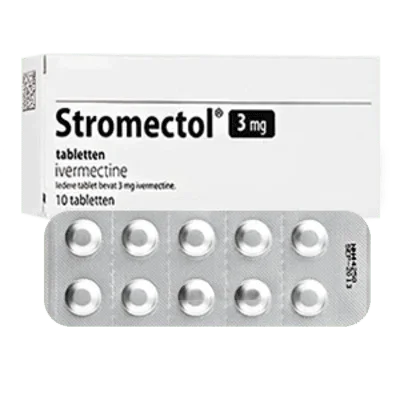
Stromectol is a prescription oral medicine for specific parasitic infections, including strongyloidiasis and onchocerciasis. It is intended for patients whose prescriber has confirmed an appropriate indication. Its active ingredient, ivermectin, acts on parasite nerve and muscle cells to stop movement and survival.
Stromectol is an oral antiparasitic medication built around ivermectin, a semi-synthetic derivative of avermectin compounds originally isolated from the soil bacterium Streptomyces avermitilis. It belongs to the broad-spectrum antiparasitic drug class, meaning it acts against a range of parasitic worms and certain mites rather than a single species. Each Stromectol tablet contains the dose stated on the pack — follow the leaflet, with the brand name functioning simply as the commercial label for this compound [1].
Ivermectin itself carries a specific chemical identity that regulatory bodies and pharmacists reference directly. Its CAS number is 70288-86-7, its molecular formula is C₄₈H₇₄O₁₄, and the dose is stated on the pack — follow the leaflet. These figures matter less to a patient than to a pharmacist checking for interactions or verifying a prescription, but they confirm that Stromectol delivers a single, well-characterized molecule rather than a vague herbal blend.
The ivermectin molecule is a mixture of two homologous compounds, 22,23-dihydroavermectin B1a and B1b, typically present in a ratio of at least 90:10. This composition is what the WHO Model List of Essential Medicines references when describing ivermectin's pharmaceutical standard [2]. Tablets also contain standard excipients common to oral antiparasitic formulations, such as microcrystalline cellulose and other binding agents that help the tablet hold its shape and dissolve consistently in the gut. The molecule's lipophilic structure explains why it's absorbed through the gut wall efficiently but also why fatty food changes its uptake.
Dosing for ivermectin is calculated by body weight, not as a flat dose for every adult. A typical single-dose regimen for intestinal strongyloidiasis falls in the range of 150–200 micrograms per kilogram of body weight, taken as a single oral dose with water on an empty stomach [3]. Follow the prescribed schedule. For onchocerciasis, dosing follows a similar weight-based calculation, sometimes repeated at intervals set by a prescriber based on clinical response.
One detail patients frequently get wrong: ivermectin is not a daily maintenance drug for most approved indications. It's typically a short course or even a single dose, and taking extra tablets "just to be safe" doesn't improve clearance of the parasite — it only raises the chance of side effects.
Ivermectin's effect on parasites comes down to one specific interaction: it binds directly to glutamate-gated chloride channels found in the nerve and muscle cells of nematodes and arthropods. These channels don't exist in mammalian central neurons in the same accessible form, which is a large part of why ivermectin has a workable safety margin in humans at approved doses.
Once ivermectin locks onto these channels, it increases the cell membrane's permeability to chloride ions. Chloride flooding into the cell hyperpolarizes it, essentially shutting down the nerve and muscle signaling the parasite relies on to move, feed, and survive. The result is flaccid paralysis of the parasite, followed by its death and clearance from host tissue. This is a fundamentally different target from drugs that interfere with a parasite's metabolism or cell wall. It's a neuromuscular shutdown, not a slow poisoning.
Mammalian glutamate-gated chloride channels are largely confined behind the blood-brain barrier, and P-glycoprotein transporters actively pump ivermectin back out of the central nervous system in people with normal transporter function. That barrier is exactly why overdosing or combining ivermectin with P-glycoprotein inhibitors can occasionally produce neurological symptoms — the drug gets where it normally shouldn't.
Stromectol is indicated for specific parasitic infections where ivermectin has demonstrated clinical efficacy. The two primary approved uses are intestinal strongyloidiasis, caused by the roundworm Strongyloides stercoralis, and onchocerciasis, a filarial infection transmitted by blackflies that can affect skin and eyes if left untreated [4]. In some regions, ivermectin is also used off-label in scabies treatment protocols for crusted scabies or institutional outbreaks, though topical treatments remain first-line for routine cases.
As a systemic antiparasitic, ivermectin reaches parasites throughout the body via the bloodstream rather than acting only at the site of application, which is why it works for infections involving migrating larvae or parasites embedded in tissue rather than just the gut lining. In clinical practice, physicians treating strongyloidiasis often repeat stool testing weeks after treatment because a single negative test shortly after dosing can be misleading — larvae numbers drop fast, but confirming clearance takes patience.
Ivermectin's broad-spectrum profile against nematodes is well documented, but it does not cover every parasite category. It has no meaningful activity against most protozoa, tapeworms, or many common intestinal flukes, so a stool exam identifying the specific organism matters before treatment starts.
| Drug/Approach | Primary Target | Typical Use Case |
|---|---|---|
| Ivermectin (Stromectol) | Nematodes, some ectoparasites | Strongyloidiasis, onchocerciasis, scabies adjunct |
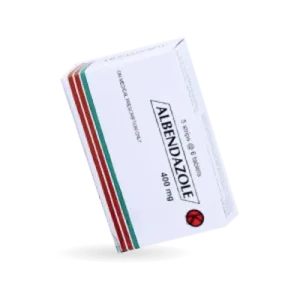
| Albendazole | Broad nematode and some cestode activity | Intestinal worms, hydatid disease |
| Permethrin (topical) | Mites and lice | First-line scabies and lice treatment |
Ivermectin's advantage over topical options like permethrin is systemic reach — it treats parasites that have moved beyond the skin surface, which a cream simply cannot do. Albendazole overlaps with ivermectin for some nematode infections but works through a different mechanism, disrupting parasite microtubule formation rather than neuromuscular channels, and is often preferred when tapeworm co-infection is suspected since ivermectin doesn't touch cestodes at all.
Breastfeeding patients should discuss timing with their prescriber, since ivermectin passes into breast milk in measurable, though generally low, quantities.
NOT for you if: you have a suspected contraindication, an unconfirmed diagnosis, or no prescriber-approved treatment plan.
Most people tolerate ivermectin without major issues, and side effects at approved doses are usually mild and short-lived.
In clinical practice, the itching and mild rash seen in onchocerciasis patients after the first dose is usually a sign the treatment is working — dying microfilariae trigger a local immune response. It's uncomfortable, not dangerous, in the vast majority of cases, but patients aren't always told to expect it, so they call their prescriber in a panic.
Physicians prescribing ivermectin for strongyloidiasis generally set realistic expectations upfront: a single dose often clears the infection, but confirmation requires follow-up stool testing rather than relying on symptom improvement alone. Patients switching from a failed course of albendazole to ivermectin for suspected strongyloidiasis typically report faster symptom resolution, though clinicians are careful to confirm the diagnosis rather than treat based on symptoms alone, since gastrointestinal complaints overlap with many other conditions.
For onchocerciasis management, prescribers tend to emphasize that ivermectin controls the disease rather than cures it outright in heavily endemic exposure settings — repeat dosing over months or years may be part of a broader control strategy, not a one-time fix.
Yes. Stromectol is a brand name for tablets containing ivermectin as the active ingredient, and the therapeutic effect depends on the ivermectin content rather than the brand label. The WHO Model List of Essential Medicines (2023 update) lists ivermectin under its generic name as a core antiparasitic . Dosing and precautions are identical regardless of which manufacturer's tablet is dispensed.
For strongyloidiasis, a single dose often reduces larval burden within days, though prescribers typically confirm clearance with a stool exam two to four weeks later rather than relying on symptoms alone. For onchocerciasis, microfilarial suppression happens faster than the itching reaction resolves, which can take one to two weeks. The MOHAP-aligned treatment protocols followed in the UAE in 2024 generally mirror WHO dosing guidance for these timelines.
There's no direct pharmacological interaction between ivermectin and alcohol, but alcohol can worsen dizziness or gastrointestinal side effects that some patients already experience with this medication. Most prescribers suggest avoiding alcohol around the dosing window simply to make side effects easier to distinguish from anything unrelated. The FDA prescribing information (2021) should be checked alongside advice from the prescriber.
Ivermectin's main interaction concern is with drugs that inhibit P-glycoprotein transport, since this can increase how much ivermectin reaches the central nervous system. Warfarin users should also be monitored, as ivermectin has been associated with changes in anticoagulant effect in isolated case reports. A prescriber reviewing a full medication list before dosing is standard practice, especially for patients on multiple chronic medications. The FDA prescribing information (2021) supports reviewing concomitant medicines before treatment.
This is typically a Mazzotti-type reaction, caused by the immune system responding to dying microfilariae rather than an allergic reaction to the drug itself. It's a recognized and expected part of onchocerciasis treatment, and WHO clinical guidance published in 2022 describes inflammatory reactions after treatment of filarial infections. It usually resolves within one to two weeks without specific treatment, though antihistamines can ease discomfort.
No. Ivermectin's glutamate-gated chloride channel mechanism works against nematodes like Strongyloides and certain filarial parasites, but it has little to no effect on tapeworms (cestodes) or many flukes (trematodes). A stool or blood test identifying the specific parasite is the only reliable way to confirm ivermectin is the right drug for a given infection. The WHO Model List of Essential Medicines (2023) includes ivermectin for selected parasitic diseases rather than every intestinal worm.
Your order will be securely packed and shipped within 24 hours. This is exactly what your package will look like (images of an actual item sent). It has the size and look of a regular private letter (24x11x0.7 cm) and its contents cannot be seen.
Took it exactly as prescribed, one dose before breakfast. Mild stomach upset for about a day, nothing major. Follow-up test came back clear five weeks later.
The itching on day two caught me off guard, nobody warned me about it. My doctor said it was expected and it did settle down within a week.
Simple to take, no real side effects for me beyond slight dizziness a few hours after. Would have liked more detail from the pharmacy on what symptoms to expect.
Second round was easier than the first since I knew what to expect. Mild nausea both times if I forgot to wait long enough before eating.