Verified
I used one tablet for suspected threadworms. The night itching eased over the next few days, but I also washed bedding and kept my nails short. I did not see anything unusual in the stool.
19 Oct 2026

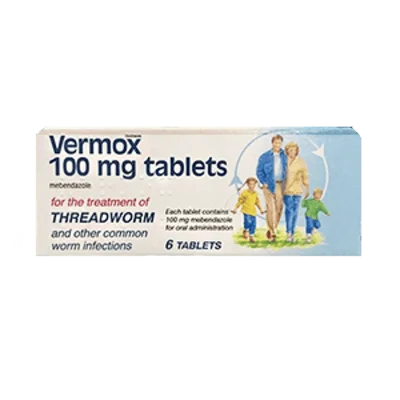
Vermox is a mebendazole tablet for suitable adults and children with common intestinal worm infections. Its action against parasite microtubules helps reduce the worms’ ability to absorb nutrients and survive.
Vermox is an anthelmintic tablet containing mebendazole for common intestinal worm infections. It is used for threadworms, roundworms, whipworms, and hookworms in suitable adults and children. Mebendazole disrupts parasite microtubules, reducing the worms’ ability to absorb nutrients and survive.
Vermox is an anthelmintic tablet containing mebendazole. It is intended for suitable adults and children with common intestinal worm infections.
Vermox tablets are taken by mouth. The standard regimen depends on the type of infection rather than body weight alone.
A single threadworm dose treats worms present at that time, but it does not reliably remove eggs from the home environment. Household members may need assessment or simultaneous treatment when several people have symptoms. The exact approach depends on local clinical advice and the infection pattern.
Do not continue repeated courses for persistent symptoms without confirming the diagnosis. Continuing treatment can delay assessment for another cause of itching, abdominal pain, diarrhoea, or anaemia.
Vermox contains mebendazole, a benzimidazole anthelmintic. The medicine acts mainly inside the gastrointestinal tract, where it interferes with cellular microtubules in susceptible parasitic worms.
Microtubules are microscopic structures that help parasite cells maintain their shape, transport nutrients, and absorb glucose. Mebendazole disrupts these structures. The worm gradually loses its energy supply and is cleared from the intestine through normal bowel movements. Its limited systemic absorption after oral administration helps keep much of its action local to the gut. [1]
Mebendazole acts against several intestinal nematodes. The main organisms relevant to Vermox treatment include:
The drug class is important because benzimidazole medicines act on parasite biology rather than simply paralysing the worm.
Vermox is used for several common helminth infections affecting the gastrointestinal tract. The clinical name depends on the parasite involved and the site of infection.
| Worm type | Medical infection and typical features |
|---|---|
| Threadworm or pinworm | Enterobiasis; night-time anal itching, restless sleep, or visible fine worms around the anus |
| Roundworm or whipworm | Ascariasis or trichuriasis; abdominal discomfort, altered bowel habits, or no symptoms in lighter infections |
| Hookworm | Intestinal hookworm infection; abdominal symptoms and, in heavier infections, blood loss or iron-deficiency anaemia |
Threadworm infection is caused by Enterobius vermicularis. The female worms may lay eggs around the anus at night, which explains the characteristic evening or night-time itching. Scratching can transfer eggs to fingers, bedding, towels, and household surfaces.
Roundworm infection, known as ascariasis, involves Ascaris lumbricoides. Whipworm infection is called trichuriasis and is caused by Trichuris trichiura. Hookworm disease can involve species such as Ancylostoma duodenale and Necator americanus. The World Health Organization and the Centers for Disease Control and Prevention describe these infections as soil-transmitted helminth diseases with different patterns of symptoms and complications. [2]
Symptoms alone cannot reliably identify the worm. A clinician may use the history, examination, stool testing, or a tape test for suspected threadworm infection.
Mebendazole, albendazole, and pyrantel pamoate belong to different treatment approaches for intestinal worms. Selection depends on the confirmed parasite, age, pregnancy status, local guidance, and the person’s other medicines.
| Treatment approach | Main pharmacological feature and common use |
|---|---|
| Mebendazole, in Vermox | Benzimidazole anthelmintic with mainly intestinal action; used for threadworm, roundworm, whipworm, and hookworm infections |
| Albendazole | Benzimidazole anthelmintic with broader systemic exposure; used for selected intestinal and tissue helminth infections |
| Pyrantel pamoate | Causes paralysis of susceptible intestinal worms; commonly used for pinworm and some other intestinal nematodes |
Mebendazole has low oral bioavailability because absorption from the intestine is limited. That property supports local gastrointestinal activity but also means that it is not the preferred treatment for every tissue-invasive or extra-intestinal parasite. Albendazole may be selected when systemic exposure is clinically required, while pyrantel may be considered for certain pinworm cases.
The choice is not based only on which drug appears stronger. A clinician considers the organism, the person’s age, liver function, pregnancy status, household exposure, and the possibility of reinfection. The Vermox Summary of Product Characteristics provides the regulatory framework for dosing and safety assessment. [3]
Vermox is not suitable for everyone. Avoid treatment or obtain specific medical assessment in these situations:
Not for you if you have a suspected non-intestinal parasite, are under two years old, or have an interaction risk without medical advice. A clinician should confirm the diagnosis when symptoms are persistent, severe, or atypical.
A person with severe abdominal pain, intestinal obstruction symptoms, jaundice, marked weakness, blood in the stool, or unexplained anaemia needs assessment for complications or another diagnosis. Vermox is intended for susceptible intestinal worms, not for every cause of gastrointestinal illness.
Most short courses are tolerated without serious problems, but adverse effects can occur. Common reactions include:
Stomach symptoms can also come from the worm infection itself, making the timing of symptoms useful. Mild abdominal discomfort after a dose does not automatically mean an allergic reaction. Facial swelling, breathing difficulty, widespread hives, blistering, peeling skin, or fainting require urgent medical care.
Rare but serious reactions include severe skin reactions, seizures, liver inflammation, and reduced blood-cell counts, mainly in the setting of prolonged or high-dose treatment. The risk profile is different for a single pinworm dose than for repeated or extended courses used for more complicated infections.
Liver disease deserves attention because mebendazole is metabolised in the liver. Prolonged therapy may require clinical monitoring of liver function and blood counts. Hair loss has also been reported with extended treatment, though it is not expected after a routine single dose.
One practical detail is easy to miss: seeing no worm in the stool does not prove that treatment failed. The worms may be partly digested or passed unnoticed. Persistent symptoms, continuing night-time itching, or a positive test after treatment should prompt reassessment rather than automatic repeated dosing.
Several practical mistakes reduce the chance of clearing an intestinal worm infection:
A common household error is cleaning only the bathroom. Eggs can also transfer through fingernails, sleepwear, towels, toys, and bedding. Handwashing and laundering routines are as relevant as taking the tablet when threadworm is suspected.
In clinical practice, doctors usually focus on three questions: which parasite is likely, whether the person is in an age group suitable for treatment, and whether reinfection is likely. A correct dose can still appear unsuccessful if eggs remain on hands, bedding, towels, or household surfaces.
Doctors also distinguish an isolated threadworm episode from recurrent infection. Repeated itching may reflect reinfection, incomplete household control, eczema, haemorrhoids, or another skin condition. Treating again without clarifying the cause can prolong symptoms and expose the person to unnecessary medicine.
The WHO classifies soil-transmitted helminths by parasite and disease burden, so treatment decisions need to match the suspected organism rather than rely on the general phrase “stomach worms.” [4]
A physician would also expect patients to mention pregnancy, liver disease, seizure medicines, metronidazole, and previous medicine allergies before treatment. Those details can change the safest option even when the symptoms seem mild.
Mebendazole begins acting on susceptible intestinal worms after oral administration, but symptom improvement can take several days. The 2024 U.S. Food and Drug Administration (FDA) prescribing information for mebendazole has described treatment by infection type rather than promising an exact time to symptom resolution. Reinfection can make a successful dose appear ineffective, especially with threadworm. [5]
Children aged two years and above may use mebendazole when the infection and regimen are suitable. The 2024 Vermox Summary of Product Characteristics supports age-specific assessment because young children may require closer supervision and accurate administration. Children below two years should not receive Vermox without a specific medical decision, and a crushed tablet should be mixed into a small amount of food that the child will finish.
Household treatment depends on the infection, symptoms, age, and local clinical advice. The 2023 Ministry of Health and Prevention (MOHAP) guidance and public-health practice place emphasis on hygiene measures because threadworm eggs spread easily between close contacts. Treating everyone automatically is not appropriate when symptoms have another cause, when a household member is pregnant, or when a child is below the suitable age.
Vermox targets several intestinal nematodes, including threadworms, roundworms, whipworms, and hookworms. It is not a universal treatment for every parasite, and the correct medicine can differ for tapeworms, tissue-invasive helminths, or protozoal infections. The 2023 World Health Organization (WHO) classification of helminth diseases supports identifying the suspected organism before selecting treatment.
Vermox tablets may be taken with or without food for common intestinal worm regimens. A small amount of soft food can help a child take a crushed tablet, but the complete portion must be consumed. The 2024 Vermox Summary of Product Characteristics also warns against combining mebendazole with metronidazole because of the risk of serious skin reactions.
Continuing symptoms require a review of the diagnosis, treatment timing, reinfection risk, and household hygiene. The 2023 Ministry of Health and Prevention (MOHAP) clinical guidance in the UAE requires extra attention when symptoms include blood in the stool, anaemia, jaundice, severe abdominal pain, or signs of dehydration. Repeated doses should not replace testing or assessment when the initial regimen has not resolved the problem.
Alcohol is not the main interaction highlighted for a routine mebendazole course, but heavy alcohol use can complicate assessment of nausea, dizziness, and liver-related symptoms. The 2024 Vermox Summary of Product Characteristics places greater emphasis on liver disease and interactions with medicines such as metronidazole, cimetidine, and enzyme-inducing anticonvulsants. Avoid alcohol and seek assessment if jaundice, severe weakness, persistent vomiting, or dark urine develops.
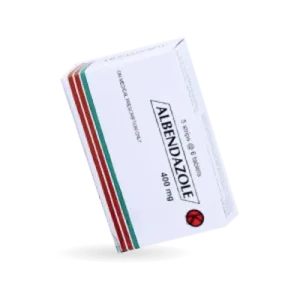
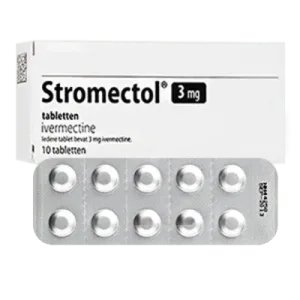
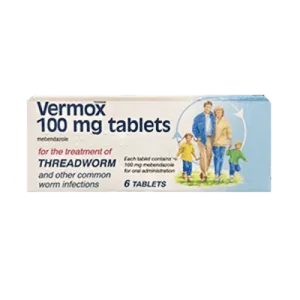
Your order will be securely packed and shipped within 24 hours. This is exactly what your package will look like (images of an actual item sent). It has the size and look of a regular private letter (24x11x0.7 cm) and its contents cannot be seen.

I used one tablet for suspected threadworms. The night itching eased over the next few days, but I also washed bedding and kept my nails short. I did not see anything unusual in the stool.
My daughter struggled to swallow the tablet, so it was crushed into a small spoonful of yoghurt. She finished it, and the itching settled. The taste was manageable in a small amount of food.
The first day brought mild cramps and loose stool, which was uncomfortable but brief. The symptoms improved after that, although I needed to repeat the household cleaning routine because the itching returned.
One dose did not solve the problem because the itching came back two weeks later. Testing showed that the issue needed a more careful household approach rather than taking tablets repeatedly.