Verified
My morning readings improved after the first few weeks. I had mild hunger between meals at the beginning, so I became more careful about carrying a quick glucose source.
30 Sep 2026

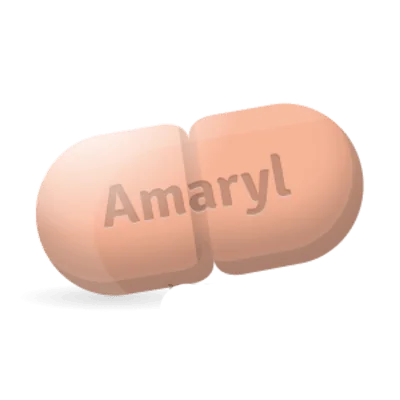
Amaryl is an oral medicine for adults with type 2 diabetes. It is used when diet and physical activity alone do not provide adequate glucose control. Its active ingredient, glimepiride, lowers blood glucose by stimulating insulin release and supporting insulin activity in tissues.
Amaryl is an oral antidiabetic medicine containing glimepiride, a sulfonylurea. Glimepiride lowers blood glucose by encouraging the pancreas to release insulin and improving insulin activity in tissues.
Amaryl contains glimepiride as its active pharmaceutical ingredient. Glimepiride belongs to the sulfonylurea class of oral antidiabetic medicines, which stimulate insulin release from pancreatic beta cells.
Amaryl is intended for type 2 diabetes mellitus. It is not suitable for treating type 1 diabetes, where the pancreas produces little or no insulin.
Glimepiride increases insulin secretion when functioning pancreatic beta cells are present. This action helps move glucose from the bloodstream into muscle and other tissues. The medicine can also improve the body’s response to its available insulin, although its strongest clinical effect comes from stimulating insulin release.
The dose supplied with Amaryl should match the treatment plan prescribed for the individual patient. Strengths are adjusted according to blood glucose results, meal patterns, kidney function, liver function, age, and the risk of hypoglycaemia.
The correct Amaryl dose is individualised. Treatment commonly begins with a low prescribed dose, followed by gradual adjustment according to fasting glucose, post-meal readings, glycated haemoglobin, meal regularity, kidney function, and adverse effects.
Typical administration principles include:
If a dose is missed, the patient should follow the prescriber’s missed-dose instructions. Taking an extra tablet to compensate can cause hypoglycaemia and is unsafe.
Dose increases should be gradual. Blood glucose may change after alterations in diet, physical activity, weight, kidney function, liver function, or the use of another antidiabetic medicine.
The tablet should be swallowed whole unless the prescribing information for the specific formulation gives different instructions. Crushing, chewing, or splitting a tablet can alter how it is taken and may make dose measurement unreliable.
Glimepiride acts mainly on ATP-sensitive potassium channels in pancreatic beta cells. When glimepiride binds to the sulfonylurea receptor associated with these channels, potassium movement changes across the beta-cell membrane. The cell becomes depolarised, calcium enters, and insulin-containing granules are released.
The process can be summarised as follows:
Glimepiride may also increase insulin sensitivity in peripheral tissues, helping the body use insulin more efficiently. The medicine does not directly remove glucose from the blood in the same way as an SGLT2 inhibitor, which increases urinary glucose excretion.
The European Medicines Agency describes sulfonylureas as insulin secretagogues: their principal action is to increase insulin release from functioning beta cells [1].
Amaryl is used alongside dietary measures and physical activity to improve glycaemic control in adults with type 2 diabetes. It may be prescribed when lifestyle measures do not lower blood glucose sufficiently, or when another treatment requires additional glucose-lowering support.
Type 2 diabetes involves insulin resistance, reduced insulin production, or both. Amaryl addresses the insulin-production component by prompting the pancreas to release more insulin after administration.
Amaryl may be used:
Treatment is directed at blood glucose control, not at immediate relief of symptoms. Thirst, frequent urination, blurred vision, and tiredness may improve as glucose levels become better controlled, although these symptoms can also have other causes.
Amaryl does not replace meal planning, physical activity, or diabetes monitoring. Its action depends on the pancreas retaining the ability to produce insulin.
Amaryl differs from other diabetes medicines mainly through its effect on insulin release and its risk of hypoglycaemia.
| Treatment category | Main action | Hypoglycaemia tendency |
|---|---|---|
| Glimepiride | Stimulates pancreatic insulin release | Moderate to high, especially with missed meals |
| Metformin | Reduces hepatic glucose production and improves insulin sensitivity | Low when used alone |
| DPP-4 inhibitor | Enhances glucose-dependent incretin activity | Low when used alone |
| SGLT2 inhibitor | Increases urinary glucose excretion | Low when used alone; other risks apply |
| Basal insulin | Replaces or supplements background insulin | Moderate to high |
Metformin is often selected when insulin resistance and increased liver glucose production are prominent. DPP-4 inhibitors generally have less hypoglycaemia risk when used alone because their effect depends more closely on glucose levels. SGLT2 inhibitors act through the kidneys and may provide additional cardiovascular or renal benefits in selected patients, but their suitability depends on kidney function and other clinical factors.
Basal insulin, such as insulin glargine, provides background insulin directly rather than stimulating the pancreas. It may be needed when endogenous insulin production is insufficient.
Amaryl can lower glucose effectively, but its insulin-releasing action creates a meaningful low-blood-sugar risk. The choice depends on the treatment goal, kidney function, body weight, cardiovascular and kidney conditions, meal regularity, and previous treatment response.
Formal contraindications and important clinical restrictions include:
Kidney or liver impairment can prolong the effect of glimepiride and increase the chance of prolonged low blood sugar. Older adults may also be more vulnerable because symptoms can be less obvious and kidney function can decline without clear warning.
The WHO diabetes pharmacotherapy guidance supports individualised glucose-lowering choices based on comorbidities, hypoglycaemia risk, treatment response, and patient circumstances [3].
Pregnancy and breastfeeding require a separate treatment decision. Insulin is commonly preferred during pregnancy because glucose control needs are strict and treatment choices must account for fetal and maternal safety.
The medicine is not for you if:
Medicines that may increase hypoglycaemia risk include insulin, metformin, other sulfonylureas, some antibiotics, and certain antifungal medicines. Corticosteroids, some diuretics, thyroid medicines, and other treatments can raise glucose or make control less predictable. Beta-blockers may reduce warning symptoms such as tremor and palpitations.
Hypoglycaemia is the main safety concern with glimepiride. It may occur after a missed or delayed meal, excessive physical activity, alcohol intake, reduced food intake, kidney impairment, liver impairment, or combination treatment with other glucose-lowering medicines.
Early symptoms can include:
More severe hypoglycaemia can cause confusion, unusual behaviour, seizures, loss of consciousness, or coma. A conscious person who can swallow should receive a rapid source of glucose, followed by reassessment and a longer-acting carbohydrate. An unconscious person must not be given food or drink by mouth.
Other possible adverse effects include nausea, abdominal discomfort, headache, dizziness, visual disturbances related to changing glucose levels, and weight gain. Allergic reactions and skin eruptions are uncommon but require prompt clinical assessment if accompanied by facial swelling, breathing difficulty, blistering, or extensive peeling.
The FDA prescribing information identifies hypoglycaemia as a central risk of glimepiride treatment and describes additional precautions involving renal and hepatic impairment [2].
A useful detail is that blurred vision during the first phase of improved glucose control may reflect changing glucose levels rather than an eye problem caused directly by the tablet. Persistent or severe visual symptoms still require assessment.
Several avoidable mistakes reduce the benefit of Amaryl or increase its risks:
A glucose diary can be useful when it records the time of the tablet, meal timing, physical activity, symptoms, and readings. The pattern often reveals whether low glucose follows delayed meals, exercise, or a recent treatment change.
In clinical practice, physicians usually focus on three points when prescribing glimepiride: meal regularity, glucose monitoring, and recognition of hypoglycaemia. A patient who eats inconsistently may face more risk from a sulfonylurea than a patient with predictable meals.
Doctors also review kidney function before treatment and after significant changes in health. A dose that was tolerated previously may become excessive after dehydration, acute illness, weight loss, or declining renal function.
A practical clinical observation is that an HbA1c result reflects average glucose over several weeks, while a home glucose reading shows a single point in time. Dose changes should consider the pattern rather than one unusually high or low result.
The American Diabetes Association places medication choice within a broader framework that includes cardiovascular disease, chronic kidney disease, weight goals, hypoglycaemia risk, cost considerations, and patient preference [4]. Sulfonylureas remain useful in selected patients, but they require more attention to meal timing than treatments with glucose-dependent actions.
Amaryl is used to improve blood glucose control in adults with type 2 diabetes. It contains glimepiride, a sulfonylurea that stimulates insulin release from functioning pancreatic beta cells. The EMA's 2018 product information describes glimepiride as an oral insulin secretagogue used within type 2 diabetes treatment. It is used with dietary and activity measures. Regular glucose monitoring helps assess response and safety.
Glimepiride begins stimulating insulin release after administration, but the visible improvement in long-term control develops over repeated doses and depends on meals, activity, and the starting glucose level. HbA1c changes are assessed over several weeks rather than after one tablet. The FDA's 2024 prescribing information describes glucose-lowering activity and hypoglycaemia risk as dose-related clinical considerations. A single reading should not determine a dose change.
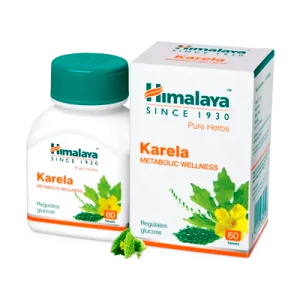
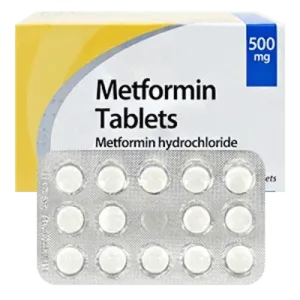
Amaryl and metformin may be prescribed together when one medicine does not provide enough glucose control. They work through different mechanisms: glimepiride increases insulin release, while metformin reduces hepatic glucose production and improves insulin sensitivity. NICE guidance from 2022 supports treatment selection according to glucose control, comorbidities, adverse effects, and individual circumstances [5]. Combination therapy can increase the need for monitoring when other glucose-lowering medicines are also present.
Low blood sugar may cause sweating, shaking, hunger, dizziness, palpitations, confusion, or unusual behaviour. A conscious person who can swallow should take a rapid source of glucose and reassess symptoms; severe symptoms require urgent medical help. WHO diabetes guidance from 2020 treats hypoglycaemia as a key medication-related safety issue requiring patient education. Repeated episodes indicate that the treatment plan needs review.
Amaryl is not a treatment for type 1 diabetes. Its action depends on pancreatic beta cells that can still release insulin, while type 1 diabetes usually requires insulin replacement. The FDA's 2024 label describes glimepiride for adults with type 2 diabetes and excludes diabetic ketoacidosis from its indication. Suspected type 1 diabetes or ketoacidosis requires urgent medical evaluation.
Weight gain can occur because increased insulin availability promotes glucose uptake and storage. The change varies between patients and may be influenced by appetite, diabetes duration, meal composition, physical activity, and combination treatment. ADA guidance from 2025 considers body-weight effects when selecting glucose-lowering therapy. Unexplained rapid weight change should be discussed during diabetes follow-up.
Your order will be securely packed and shipped within 24 hours. This is exactly what your package will look like (images of an actual item sent). It has the size and look of a regular private letter (24x11x0.7 cm) and its contents cannot be seen.
My morning readings improved after the first few weeks. I had mild hunger between meals at the beginning, so I became more careful about carrying a quick glucose source.
The tablets fitted my routine, but I had two episodes of sweating after walking before dinner. Recording the timing helped my doctor adjust the plan.
My glucose readings became more stable, and I did not notice stomach problems. Weight increased slightly, which was frustrating, so meal portions and activity became part of the follow-up.
I took a dose before leaving home and postponed breakfast. I became shaky and light-headed at work. After that, I kept breakfast consistent and discussed the episode during review.