Verified
The first two weeks on 3 mg were fine, barely noticed anything. Moving to 7 mg hit harder — nausea most mornings for about ten days. My HbA1c dropped from 8.1 to 7.3 by month three, so I stuck with it.
27 Sep 2026

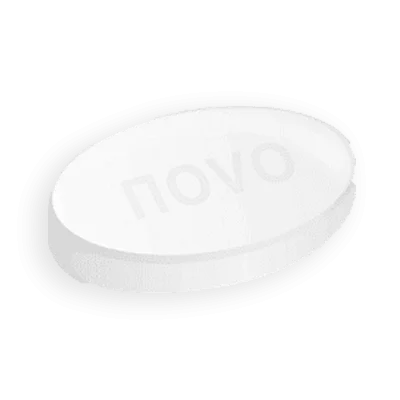
Rybelsus is a prescription oral medicine for adults with type 2 diabetes. It contains semaglutide, a GLP-1 receptor agonist that helps regulate blood glucose through glucose-dependent insulin release and glucagon suppression.
Rybelsus is an oral prescription medication containing semaglutide, approved for the management of type 2 diabetes mellitus in adults. It belongs to the GLP-1 receptor agonist drug class, a group of medicines that mimic a natural gut hormone involved in blood sugar regulation. The product is manufactured by Novo Nordisk A/S, the same company behind the injectable semaglutide brand used for diabetes care.
Rybelsus is an oral prescription medication containing semaglutide, approved for the management of type 2 diabetes mellitus in adults.
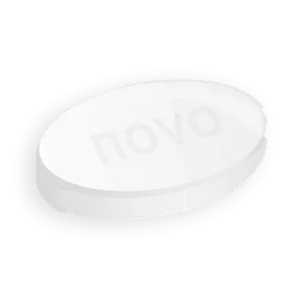
What sets Rybelsus apart from most GLP-1 therapies is the delivery route. Semaglutide is a peptide, and peptides normally break down in the stomach before reaching the bloodstream. Novo Nordisk solved this with an absorption enhancer called SNAC, co-formulated into the tablet, which temporarily raises local pH and protects the semaglutide molecule long enough for a fraction of it to cross the stomach lining [1].
Rybelsus is prescribed in fixed oral strengths. Each strength serves a different stage in treatment.
| Strength | Role in treatment | Typical duration before next step |
|---|---|---|
| Dose stated on the pack — follow the leaflet | Starting dose, mainly for gut tolerance | Follow the leaflet |
| Dose stated on the pack — follow the leaflet | First maintenance dose | Follow the leaflet |
| Dose stated on the pack — follow the leaflet | Maximum strength for added glycemic control | Ongoing |
Dosing starts low and increases gradually. This isn't an arbitrary ritual — the initial dose does very little for blood sugar on its own. Its job is to let the digestive system adapt before the body is asked to absorb a therapeutic dose.
A patient who jumps straight to the maximum dose without titration faces a much higher chance of severe nausea and vomiting in the first two weeks. The step-up approach exists specifically to avoid that.
Semaglutide is a glucagon-like peptide-1 (GLP-1) receptor agonist. It binds to GLP-1 receptors found on pancreatic beta cells, the stomach, and parts of the brain involved in appetite regulation.
The clinical effect comes from three coordinated actions:
This third effect explains the early gastrointestinal side effects most patients notice, and it ties directly into the appetite-reducing effect reported in people taking the medication. A slower stomach means fullness lasts longer.
Rybelsus is an oral prescription medication containing semaglutide, approved for the management of type 2 diabetes mellitus in adults.
Rybelsus works alongside diet and exercise. It does not replace lifestyle changes. It is typically prescribed for adults whose blood sugar remains above target on metformin alone, or for those who prefer a daily tablet over a weekly injection.
Rybelsus and Ozempic share the exact same active ingredient — semaglutide. What separates them is the route of administration and how the drug reaches circulation.
| Feature | Rybelsus | Ozempic |
|---|---|---|
| Route | Oral tablet | Subcutaneous injection |
| Frequency | Once daily | Once weekly |
| Primary indication | Type 2 diabetes | Type 2 diabetes |
Oral absorption through the Rybelsus tablet is far less efficient than injection — only a small percentage of the dose actually enters the bloodstream, which is why the tablet doses (3–14 mg) look so much larger than the injectable doses (0.25–2 mg). The SNAC-based absorption technology compensates for this, but it does mean strict administration rules (empty stomach, minimal water, 30-minute fasting window) matter more with the tablet than with the injection.
Patients who struggle with injection anxiety, needle aversion, or simply prefer a pill as part of a daily routine tend to lean toward Rybelsus. Patients who find a once-weekly injection more convenient than a daily fasting ritual often prefer Ozempic instead. Neither is clinically superior across the board — the right choice depends on lifestyle, GI tolerance, and how consistently someone can follow the oral dosing window.
This medication is not for you if:
Gastrointestinal side effects are the most common reason patients discontinue Rybelsus. Nausea affects a meaningful share of patients during dose escalation, and diarrhea, constipation, vomiting, and reduced appetite follow close behind in frequency.
Most of these symptoms are dose-dependent and transient. They tend to peak in the first few weeks after each dose increase and then settle as the body adjusts. A smaller group of patients find the nausea intolerable even at the starting dose, and for them, the medication simply isn't a fit.
Rarer but more serious risks include:
There's also a boxed warning tied to thyroid C-cell tumors observed in rodent studies with GLP-1 receptor agonists. Human relevance hasn't been established, but it's the reason the drug carries specific contraindications around personal or family thyroid cancer history, detailed below [2].
A few patterns show up repeatedly in people new to Rybelsus:
Clinicians managing type 2 diabetes with Rybelsus generally set expectations around two timelines: a short one for tolerability and a longer one for glycemic results. In clinical practice, physicians often see the real HbA1c benefit emerge only after 8 to 12 weeks of consistent use at the 7 mg or 14 mg dose — patients expecting dramatic change after two weeks are usually disappointed, not because the drug failed, but because the timeline was misunderstood.
Prescribing patterns across the UAE and similar markets show a tendency to keep patients on 7 mg longer than the minimum 30 days when GI tolerance is borderline, rather than pushing straight to 14 mg on schedule. Flexibility in titration speed, within the approved range, is a normal part of clinical judgment rather than a deviation from the label.
Physicians also tend to flag the fasting administration rule as the single most common reason for a patient reporting poor response. A tablet taken with coffee or breakfast simply won't perform the same as one taken correctly.
Measurable changes in fasting blood glucose can appear within the first few weeks, but the full HbA1c benefit typically takes 8 to 12 weeks of consistent dosing to show up clearly in lab results. Clinical trial data from the PIONEER program (2020) tracked HbA1c improvements through 26 and 52 weeks of treatment. Patience during the titration phase matters more than speed.
Rybelsus holds regulatory approval specifically for type 2 diabetes mellitus in adults, not for weight management alone. The FDA label dated 2020 and the EMA Summary of Product Characteristics both restrict the approved indication to diabetes treatment. Using it outside that indication falls outside its approved use and outside a prescriber's documented rationale.
If a dose is missed, the next tablet should simply be taken the following morning at the regular time — there's no need to double up. Because semaglutide has a long half-life of about one week, a single missed dose rarely causes a significant disruption in blood sugar control. The FDA prescribing information from 2020 gives the same missed-dose approach. Consistent daily timing matters more than reacting to one missed morning.
Yes, significantly. Food, beverages other than plain water, and other oral medications taken within 30 minutes of the tablet reduce how much semaglutide the body actually absorbs. The FDA Prescribing Information from 2020 states that food and other oral medicines can reduce semaglutide absorption [3]. The EMA SmPC dated 2020 also describes the tablet's fasting administration requirements. This is why the fasting window is written into the dosing instructions rather than treated as a minor suggestion.
Not necessarily — mild to moderate nausea during the first weeks of a new dose level is an expected part of how GLP-1 receptor agonists affect gastric emptying. It usually fades within one to two weeks as the body adjusts. The FDA prescribing information from 2020 identifies nausea and vomiting among common adverse reactions. Severe or persistent vomiting requires a different response and should prompt a conversation with the prescribing doctor about whether to slow the titration schedule.
Metformin and Rybelsus work through entirely different mechanisms — metformin primarily reduces liver glucose production and improves insulin sensitivity, while Rybelsus acts through GLP-1 receptor stimulation. Many patients use both together, since combining mechanisms often produces better glycemic control than either drug alone. The decision to combine or switch is based on individual HbA1c targets and tolerability. The American Diabetes Association's Standards of Care 2024 describe medication selection according to glycemic targets and tolerability.
Used alone, Rybelsus carries a low risk of hypoglycemia because its insulin-stimulating effect is glucose-dependent — it mainly acts when blood sugar is already elevated. The risk rises meaningfully when Rybelsus is combined with insulin or sulfonylureas, a point emphasized in MOHAP's prescribing guidance for combination diabetes therapy . Patients on combination regimens should monitor blood glucose more closely during the first weeks of adding Rybelsus. The FDA prescribing information from 2020 also warns about this combination.
Your order will be securely packed and shipped within 24 hours. This is exactly what your package will look like (images of an actual item sent). It has the size and look of a regular private letter (24x11x0.7 cm) and its contents cannot be seen.
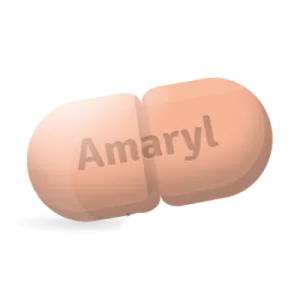
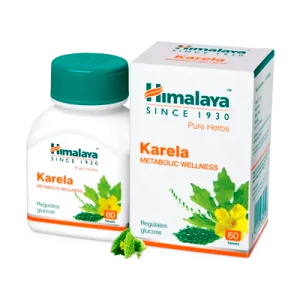
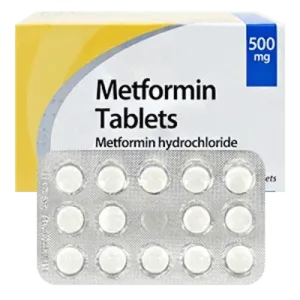
The first two weeks on 3 mg were fine, barely noticed anything. Moving to 7 mg hit harder — nausea most mornings for about ten days. My HbA1c dropped from 8.1 to 7.3 by month three, so I stuck with it.
Took me a while to get the empty-stomach timing right with my work schedule. Once I did, things improved. Lost about 5 kg without really trying, which was a nice side effect, but my main goal was the sugar numbers and those came down well.
Still on the starting dose because my doctor wants to go slow due to my stomach history. Some mild constipation, nothing dramatic. Too early to judge the blood sugar effect yet.
Honestly the daily pill routine suits me better than I expected. The diarrhea in month one was rough, almost quit, but it passed. A year in, my numbers are the best they've been since diagnosis.
Mixed feelings. It works for my sugar levels, clearly. But the appetite suppression got to a point where I was barely eating some days, and I had to actively remind myself to have proper meals. Had to talk to my doctor about that.