Verified
I took the tablets for a chest infection. Nausea appeared after the first dose but settled when I drank more water and ate normally. My cough improved gradually rather than overnight.
17 Oct 2026

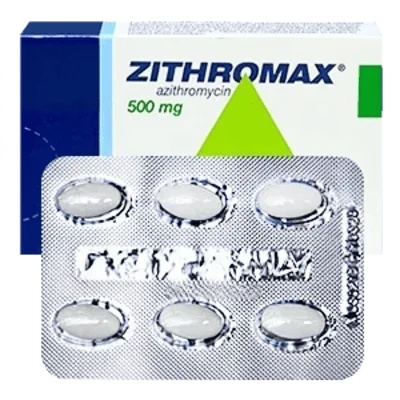
Zithromax is a prescription tablet containing azithromycin, a macrolide antibiotic. It is intended for selected bacterial infections when a clinician considers treatment appropriate. Azithromycin helps control infection by blocking bacterial protein production.
Zithromax is a prescription macrolide antibiotic containing azithromycin in tablet form. The dose is stated on the pack — follow the leaflet. It is used for selected bacterial infections, including respiratory infections and some infections caused by Chlamydia trachomatis. Azithromycin stops susceptible bacteria from making essential proteins, but it does not treat colds, influenza, or other viral illnesses.
Zithromax tablets contain azithromycin, a macrolide antibiotic. The dose is stated on the pack — follow the leaflet. The active substance is supplied as azithromycin, commonly formulated as azithromycin dihydrate in pharmaceutical products. The dose is stated on the pack — follow the leaflet.
The FDA prescribing information identifies azithromycin as an antibacterial drug for susceptible organisms and defined infections [1].
Azithromycin has activity against several Gram-positive and Gram-negative organisms, as well as atypical bacteria such as Mycoplasma pneumoniae and Chlamydophila pneumoniae. Activity against a specific organism is not guaranteed because resistance varies by location and infection type.
For sexually transmitted infections, treatment depends on the organism, site of infection, pregnancy status, local guidance, and current resistance patterns. Chlamydia trachomatis is a distinct clinical indication from respiratory infection, so the dosing plan must match the diagnosed condition.
Zithromax is the product name, while azithromycin is the active pharmaceutical ingredient. Generic azithromycin products contain the same active antibacterial substance, although inactive ingredients, tablet appearance, and packaging can differ.
For a patient, the clinically relevant points are the active ingredient, strength, dosage form, infection being treated, and prescribed schedule. Substituting one product for another should follow the prescriber’s or dispensing pharmacist’s instructions because tablet strengths and formulations may differ.
The Zithromax product described here is a tablet. The dose is stated on the pack — follow the leaflet. The exact regimen depends on the infection, age, body weight, kidney and liver function, pregnancy status, and local treatment guidance.
The dose is stated on the pack — follow the leaflet. The dosing plan must not be applied automatically to every condition.
Food instructions can vary by formulation. The FDA label distinguishes immediate-release azithromycin tablets from other oral presentations, so the formulation and prescribed directions determine whether food affects administration [3].
The oral suspension presentations are separate liquid formulations. They are not interchangeable with a tablet by volume. Reconstituted suspension requires accurate measurement and thorough shaking, but those instructions do not apply to the tablet product.
Macrolide antibiotics attach to the bacterial 50S ribosomal subunit. This blocks bacterial protein production and limits further growth. The immune system can then clear the infection more effectively.
Azithromycin enters tissues and remains present for longer than many other antibiotics. This pharmacokinetic property can support once-daily schedules and shorter courses for selected infections.
Zithromax may be prescribed for selected:
The medicine has no antibacterial action against viruses. Taking it for a cold or influenza will not shorten the illness and may expose the patient to unnecessary adverse effects.
The main therapeutic advantage is targeted antibacterial activity with convenient oral administration. The limitation is equally important: azithromycin is not suitable for every bacterial infection, and resistance can make treatment unsuccessful. WHO and the U.S. Centers for Disease Control and Prevention (CDC) advise using antibiotics only when a bacterial infection is likely or confirmed and selecting treatment according to clinical guidance [2].
Azithromycin differs from penicillin antibiotics by chemical class. It also differs from doxycycline and fluoroquinolones in its bacterial target, interaction profile, and safety considerations.
| Treatment category | Main bacterial target or class | Practical limitation |
|---|---|---|
| Zithromax containing azithromycin | Macrolide; inhibits bacterial protein synthesis | Resistance and heart-rhythm risks can limit use |
| Penicillin-type antibiotic | Usually inhibits bacterial cell-wall formation | Allergy and organism resistance may prevent use |
| Doxycycline | Tetracycline; inhibits bacterial protein synthesis | Photosensitivity, pregnancy restrictions, and administration issues |
Azithromycin may be selected when its activity matches the suspected organism, when a macrolide is clinically appropriate, or when the treatment plan benefits from once-daily oral dosing. A penicillin-type antibiotic may be preferred for infections where it offers better first-line coverage. Doxycycline may be chosen for different pathogens or conditions.
The choice should be based on the diagnosed infection rather than on the tablet’s convenience alone. The patient’s allergy history can change the preferred option. Kidney and liver function may also affect the assessment. Local resistance data can alter first-line treatment. A clinician should review the complete medication list before prescribing. European Medicines Agency antimicrobial safety information stresses that antibiotic selection should reflect the infection, resistance risk, and patient-specific factors [4].
Zithromax is not suitable for you if you have had:
Extra assessment is needed with:
Potentially relevant medicines include other QT-prolonging drugs, certain antiarrhythmics, some antipsychotics, tricyclic antidepressants, and selected anti-infective medicines. Digoxin, warfarin, colchicine, cyclosporine, and medicines affecting liver enzymes may also require medication review.
Avoid Zithromax if you have previously had a serious allergic reaction to azithromycin, erythromycin, another macrolide, or a ketolide antibiotic. It may also be unsuitable if a previous azithromycin course caused cholestatic jaundice or liver dysfunction.
Tell the prescriber before treatment if you have heart-rhythm problems, fainting, low potassium or magnesium, liver or kidney disease, heart failure, myasthenia gravis, or previous antibiotic-associated colitis. Also mention pregnancy, breastfeeding, and every prescription or non-prescription medicine being used.
Cross-sensitivity can occur within the macrolide group. A previous reaction involving breathing difficulty, facial swelling, severe rash, or circulatory collapse is more clinically significant than mild stomach upset.
Common adverse effects include:
Mild digestive symptoms may improve during or shortly after treatment. Taking the medicine exactly as prescribed helps reduce avoidable exposure, while excessive alcohol may worsen nausea, dizziness, or dehydration.
Severe or persistent diarrhoea needs medical assessment because antibiotic-associated colitis can occur during treatment or weeks afterward. Watery or bloody stools, severe abdominal pain, fever, or dehydration require prompt attention.
Serious reactions can include:
Azithromycin can prolong the QT interval, an electrical measurement in the heart. This may increase the risk of a rare rhythm called torsades de pointes, especially in people with existing rhythm disorders or several risk factors. The risk information is included in FDA safety labelling for azithromycin [5].
One practical detail is easy to miss: diarrhoea after an antibiotic is not always a harmless medication effect. The timing, severity, presence of blood, and duration determine whether testing or treatment is needed.
Frequent problems include:
A common practical error is confusing the three-day 500 mg schedule with other azithromycin regimens. The correct schedule is determined by diagnosis, not by the number of tablets available.
In clinical practice, doctors often see azithromycin requested for viral coughs because the symptoms feel severe. Antibiotics do not remove viral inflammation, and an unnecessary course can cause diarrhoea, allergic reactions, and selection of resistant bacteria.
Physicians also pay close attention to cardiac history. A patient taking an antiarrhythmic medicine, with a known prolonged QT interval, or with repeated fainting episodes may need another antibiotic or additional assessment.
The short course can make adherence easier, but a shorter schedule is not automatically a stronger treatment. Treatment length reflects tissue distribution, bacterial susceptibility, and the diagnosed infection. Changing the number of tablets without medical instruction can leave the infection undertreated or increase adverse effects.
Zithromax treats selected bacterial infections, not viral colds. The FDA prescribing information reviewed in 2025 states that antibacterial treatment should be reserved for infections caused by susceptible bacteria. A cold with nasal congestion, cough, or sore throat does not automatically require azithromycin.
Azithromycin begins acting against susceptible bacteria after absorption, but symptom improvement varies by infection and severity. Clinical improvement may take several days even when the antibiotic is appropriate. EMA information available before 2026 describes treatment response as dependent on the infection, organism, and patient factors rather than on a guaranteed time point.
Azithromycin may be used for selected community-acquired pneumonia when the suspected bacteria are susceptible and the regimen is clinically appropriate. WHO treatment principles published in 2023 emphasise diagnosis, severity assessment, and local resistance patterns. Severe breathing difficulty, confusion, blue lips, or persistent low oxygen require urgent medical care rather than self-treatment.
Penicillin allergy does not automatically predict allergy to azithromycin because the medicines belong to different antibiotic classes. The FDA safety information from 2025 still lists previous hypersensitivity to azithromycin, erythromycin, macrolides, or ketolides as a contraindication. Anyone with a previous severe antibiotic reaction needs an individual treatment decision.
Azithromycin can prolong the QT interval and may increase the risk of a serious rhythm disturbance in susceptible patients. EMA safety information from 2013 identified greater concern in people with prolonged QT, low electrolyte levels, bradycardia, or medicines that affect cardiac repolarisation. A history of fainting, irregular heartbeat, or antiarrhythmic treatment should be disclosed before treatment.
Azithromycin may be prescribed during pregnancy when the expected benefit justifies treatment for a diagnosed infection. The FDA label available in 2025 advises that pregnancy decisions should consider the indication and clinical circumstances. Do not alter or stop an antibiotic prescribed during pregnancy without a specific medical instruction.
Persistent or severe diarrhoea after azithromycin can indicate antibiotic-associated colitis, including Clostridioides difficile infection. NICE antimicrobial guidance from 2024 advises clinical assessment when diarrhoea is severe, prolonged, bloody, or accompanied by fever or abdominal pain. Avoid self-treating severe symptoms with anti-diarrhoeal medicines until the cause has been assessed.
Your order will be securely packed and shipped within 24 hours. This is exactly what your package will look like (images of an actual item sent). It has the size and look of a regular private letter (24x11x0.7 cm) and its contents cannot be seen.




I took the tablets for a chest infection. Nausea appeared after the first dose but settled when I drank more water and ate normally. My cough improved gradually rather than overnight.
The course was easy to remember because I took one tablet at the same time each day. I had loose stools on day two, which stopped after treatment ended.
I expected the fever to disappear after one tablet. That did not happen, and the doctor explained that the antibiotic needed time while the infection was monitored.
I developed strong palpitations after starting treatment. I stopped taking further doses and was assessed urgently. The doctor changed the antibiotic after reviewing my heart history.
The tablets were simple to swallow, but I felt dizzy after the second dose. The symptom was mild and short-lived, although I would mention it before using azithromycin again.