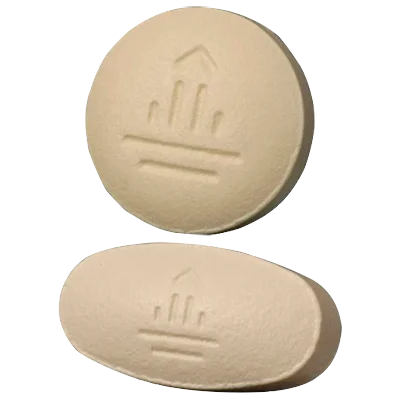
Description
Empagliflozin is an oral antidiabetic medicine in the SGLT2 inhibitor class, prescribed for adults with type 2 diabetes and selected cardiovascular or kidney conditions. It lowers glucose by increasing urinary glucose excretion and can provide heart and kidney protection in appropriate patients.
Composition
Empagliflozin is an oral antidiabetic medicine in the SGLT2 inhibitor class. It is prescribed for adults with type 2 diabetes and selected heart failure or chronic kidney disease conditions. The medicine lowers blood glucose by increasing the excretion of glucose through the urine and may provide cardiovascular and renal benefits in appropriate patients. Exact product details are stated in the approved local information.
Dosage and usage
Empagliflozin tablets are taken by mouth once daily when prescribed for standard adult treatment. The precise strength and dose depend on the approved product information, kidney function, treatment indication, and the clinician’s plan.
Practical administration points include:
- Take the tablet at the same time each day.
- Swallow it with water.
- It may generally be taken with or without food.
- Maintain regular fluid intake unless a clinician has prescribed fluid restriction.
- Do not take two doses together after a missed dose.
- Ask for specific instructions before surgery, prolonged fasting, or severe illness.
- Continue prescribed diabetes monitoring, including blood-glucose checks when advised.
Empagliflozin can increase urine volume. Taking it late at night may disturb sleep because of urination, so morning administration is often more convenient when compatible with the prescribed regimen.
Do not stop insulin abruptly if insulin is also prescribed. Sudden insulin reduction while taking an SGLT2 inhibitor can increase ketoacidosis risk, including during periods when glucose readings do not appear severely elevated.
Keep a record of recurring genital irritation, urinary discomfort, dizziness, or sudden weight change. These details help a clinician distinguish an isolated symptom from a pattern related to treatment or fluid balance.
How it works
The kidneys filter glucose from the blood and normally return most of it to the circulation through SGLT2 transporters in the proximal tubules. Empagliflozin blocks this transporter, reducing glucose reabsorption and increasing the amount of glucose passed in urine. The result is lower circulating glucose without directly stimulating pancreatic insulin release. [1]
This mechanism explains two practical features. The medicine can work even when insulin production is reduced, and it may cause more frequent urination, especially during the first weeks or when fluid intake is high.
Indications
Empagliflozin is used to improve glycaemic control in adults with type 2 diabetes mellitus alongside dietary measures and physical activity. It is also used in specific patients with heart failure or chronic kidney disease, where SGLT2 inhibition may reduce the risk of hospitalisation and disease progression. The exact indication depends on the approved local product information and the patient’s clinical profile.
The European Medicines Agency recognises empagliflozin-based treatment for type 2 diabetes and has evaluated its cardiovascular and renal benefits in defined patient groups. MOHAP regulates medicines and prescribing practice in the United Arab Emirates. [2]
Empagliflozin does not treat type 1 diabetes. Its use in type 1 diabetes may increase the risk of diabetic ketoacidosis, including cases where blood glucose is not extremely high. It is also unsuitable for treating diabetic ketoacidosis itself.
Doctors often review kidney function before starting treatment and during follow-up. Reduced kidney function can alter the glucose-lowering response and may change whether treatment is appropriate.
Tell the prescribing clinician about planned surgery, prolonged fasting, vomiting, diarrhoea, or a severe infection. Temporary interruption may be needed during these situations to reduce dehydration and ketoacidosis risk.
Comparison
Empagliflozin differs from metformin, sulfonylureas, insulin, and incretin-based treatments because its primary action takes place in the kidney rather than directly in the pancreas or liver. This difference affects both benefits and adverse effects.
A DPP-4 inhibitor and metformin combination may suit a person who needs additional glucose control with a low risk of hypoglycaemia and no need for a diuretic effect. Empagliflozin may be favoured when heart failure, chronic kidney disease, or cardiovascular risk makes its additional organ benefits clinically relevant.
Insulin remains essential for type 1 diabetes and may be needed in advanced type 2 diabetes when pancreatic insulin production is insufficient. Empagliflozin cannot replace insulin in those circumstances.
The choice is not based on blood glucose alone. The American Diabetes Association and international diabetes guidance place increasing emphasis on cardiovascular disease, heart failure, kidney disease, weight, hypoglycaemia risk, tolerability, and patient preference. [3]
Contraindications
Empagliflozin is not suitable for everyone. The prescribing clinician considers kidney function, diabetes type, hydration status, previous ketoacidosis, and concurrent medicines before treatment.
- Type 1 diabetes unless a specialist has given a specific, closely monitored plan.
- Active diabetic ketoacidosis.
- A previous serious reaction to empagliflozin or an excipient in the prescribed tablet.
- Severe dehydration or inability to maintain fluid intake.
- Severe kidney impairment that makes treatment unsuitable.
- Prolonged fasting or major surgery without an agreed medication plan.
Important interactions and cautions include:
- Insulin and sulfonylureas may increase hypoglycaemia risk.
- Diuretics may increase dehydration, dizziness, and low blood pressure.
- Lithium requires careful monitoring because changes in kidney handling and fluid balance may affect lithium concentrations.
- Alcohol excess, ketogenic dieting, prolonged fasting, infection, and abrupt insulin reduction may increase ketoacidosis risk.
- Pregnancy and breastfeeding require an individual assessment because treatment may not be suitable.
- Recurrent genital infections may require a review of treatment tolerability.
[4] Empagliflozin addresses one part of that strategy; blood-pressure control, lipid management, nutrition, physical activity, and routine monitoring remain separate clinical priorities.
When this is not for you
This medicine may not be suitable for you if you have type 1 diabetes, active diabetic ketoacidosis, severe dehydration, or severely reduced kidney function. Tell your clinician if you have had a serious reaction to empagliflozin, cannot keep fluids down, or are preparing for major surgery or prolonged fasting. You should also discuss insulin, sulfonylureas, diuretics, lithium, pregnancy, breastfeeding, recurrent genital infections, alcohol excess, and ketogenic dieting before treatment.
Side effects
Many adults tolerate empagliflozin without major difficulty, but its renal mechanism creates predictable effects. Increased urination, thirst, dehydration, genital fungal infection, and urinary tract infection are among the main concerns described in regulatory information.
Common or clinically relevant effects include:
- Increased urination or urinary volume.
- Thirst and dry mouth.
- Dizziness from fluid depletion.
- Genital itching, irritation, or fungal infection.
- Urinary tract symptoms.
- Constipation or gastrointestinal discomfort.
- Reduced blood pressure, especially with diuretics or in older adults.
Hypoglycaemia is less common when empagliflozin is used alone because the medicine does not directly force insulin release. The risk rises when it is combined with insulin or medicines that stimulate insulin secretion.
Urgent medical assessment is required for nausea, vomiting, abdominal pain, unusual tiredness, rapid breathing, confusion, or a sweet-smelling breath. These may indicate diabetic ketoacidosis. Seek immediate care for severe genital pain, swelling, fever, or rapidly worsening tissue inflammation.
One easily missed detail is that ketoacidosis can occur with only moderately elevated glucose. A normal-looking glucose reading does not rule it out when compatible symptoms are present.
Another practical issue involves low blood pressure. People taking loop or thiazide diuretics may experience more fluid loss after starting an SGLT2 inhibitor, especially during hot weather or reduced food intake.
Common mistakes
Several avoidable errors reduce the safety and usefulness of empagliflozin treatment:
- Stopping insulin because glucose readings improve.
- Continuing the medicine through repeated vomiting or severe diarrhoea without seeking instructions.
- Ignoring genital itching or urinary burning.
- Following a strict ketogenic diet without discussing ketoacidosis risk.
- Taking extra tablets after a missed dose.
- Assuming normal blood glucose excludes ketoacidosis.
- Failing to mention diuretics, lithium, or frequent fasting.
- Treating excessive thirst as an expected effect rather than a possible sign of dehydration.
Before a planned operation, ask for a written stop-and-restart plan. The timing depends on the procedure, kidney function, food intake, and local clinical instructions, so improvising on the day is unsafe.
What doctors say
In clinical practice, doctors usually set expectations around gradual improvement rather than an immediate change in symptoms. Empagliflozin lowers glucose through the kidneys, while cardiovascular and renal benefits are assessed over longer follow-up periods.
A physician will commonly review:
- Kidney function before treatment and at intervals.
- Blood pressure and symptoms of fluid depletion.
- Genital or urinary infections.
- Concurrent insulin, sulfonylurea, and diuretic therapy.
- Sick-day and surgery instructions.
- Glycated haemoglobin and other diabetes markers.
The medicine can be a strong option when type 2 diabetes coexists with heart failure or chronic kidney disease. Its limitations are equally clear: it is not a substitute for insulin in insulin-deficient states, and its diuretic-like effects can become troublesome in people who are frail, dehydrated, or taking several blood-pressure medicines.