

Verified
After starting the tablet, I noticed more urination during the first week. Taking it in the morning made the change easier to manage, and I did not need to wake up as often.
10 Oct 2026

Forxiga is a dapagliflozin medicine for adults with type 2 diabetes, heart failure, or selected chronic kidney disease. Its SGLT2-inhibitor action helps the kidneys remove more glucose in urine and may reduce fluid-related strain on the heart and kidneys.
Forxiga is a prescription tablet containing dapagliflozin, an SGLT2 inhibitor used in adults with type 2 diabetes, heart failure, and selected chronic kidney disease. It lowers glucose by increasing urinary glucose excretion and can also reduce fluid-related strain on the heart and kidneys.
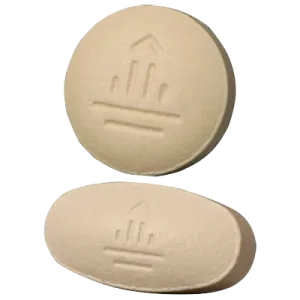
Forxiga contains dapagliflozin, an SGLT2 inhibitor, in a prescription tablet. The active ingredient supports increased urinary glucose excretion and may also influence fluid handling by the kidneys. Exact tablet details are stated on the pack and in the leaflet.
Forxiga tablets are swallowed whole with water. They may be taken with or without food.
For adult indications, the dose is stated on the pack — follow the leaflet. The appropriate regimen depends on the condition being treated, kidney function, concurrent medicines, hydration status, and the prescriber’s treatment plan.
Practical administration points include:
A clinician may advise stopping dapagliflozin temporarily before major surgery or during an acute illness that limits eating and drinking. Vomiting, diarrhoea, fever, or prolonged fasting can increase the risk of dehydration and ketoacidosis.
Forxiga can increase urination, especially during the first days of treatment. Taking it late in the evening may disturb sleep for some patients, so morning administration is often more practical when it suits the prescribed regimen.
Forxiga contains dapagliflozin, an SGLT2 inhibitor that reduces glucose reabsorption in the kidneys. This increases urinary glucose excretion and may reduce fluid-related strain on the heart and kidneys.
Forxiga contains dapagliflozin, a sodium-glucose cotransporter 2 inhibitor. The medicine is taken by mouth as a tablet and is used alongside dietary measures and other clinical treatments when appropriate. AstraZeneca developed Forxiga as a dapagliflozin-based therapy for several cardiometabolic conditions.
The main therapeutic uses include:
Forxiga is not an insulin replacement. It does not directly stimulate the pancreas to release insulin. Its effects depend partly on kidney function, because dapagliflozin works through glucose handling in the renal tubules.
Adults with type 2 diabetes may receive Forxiga when improved glucose control is needed, either alone in selected circumstances or alongside other diabetes medicines. It may be used with metformin, insulin, sulfonylureas, or other glucose-lowering treatments when a prescriber considers the combination suitable.
Heart failure treatment focuses on reducing hospitalisation risk and supporting cardiovascular outcomes. The benefit can occur even when a patient does not have diabetes, because SGLT2 inhibitors influence renal sodium handling, fluid balance, and cardiac loading conditions.
For chronic kidney disease, dapagliflozin may be considered when the patient meets clinical criteria based on kidney function, albuminuria, diabetes status, and other medical factors. The European Medicines Agency describes these indications in the official Forxiga product information [1].
Forxiga does not treat type 1 diabetes. Use in type 1 diabetes can raise the risk of diabetic ketoacidosis, including cases where blood glucose is not extremely high.
Treatment choice depends on the clinical goal. Forxiga is an SGLT2 inhibitor, while other glucose-lowering approaches act through insulin sensitivity, insulin secretion, intestinal glucose absorption, or incretin pathways.
| Approach | Main action | Common clinical consideration |
|---|---|---|
| Dapagliflozin, an SGLT2 inhibitor | Increases urinary glucose and sodium excretion | Genital infections, dehydration, and ketoacidosis precautions |
| Metformin, a biguanide | Reduces hepatic glucose production and improves insulin sensitivity | Gastrointestinal effects and kidney-function restrictions |
| GLP-1 receptor agonist therapy | Enhances glucose-dependent insulin release and reduces appetite | Nausea, injectable administration for many formulations, and dose escalation |
Forxiga may be favoured when heart failure or chronic kidney disease is part of the treatment picture. Metformin remains a common foundation for type 2 diabetes when kidney function and tolerability permit. GLP-1 receptor agonist therapy may be selected when weight reduction or stronger post-meal glucose control is a priority.
These treatments can be combined, but combinations require planned monitoring. Insulin and sulfonylureas may need adjustment because adding dapagliflozin can change the risk of hypoglycaemia.
Kidney function should be assessed before treatment and periodically afterward. The glucose-lowering effect becomes weaker as kidney function declines, while fluid-related risks may remain clinically relevant.
Medicines that require careful review include loop diuretics, thiazide diuretics, insulin, sulfonylureas, lithium, and drugs that affect kidney function or blood pressure. Alcohol excess, prolonged fasting, ketogenic diets, and heavy exercise during illness can increase ketoacidosis risk.
The most characteristic adverse effects of Forxiga involve the urinary and genital systems. Increased glucose in urine can contribute to vaginal yeast infection, genital fungal infection, and irritation. Urinary tract infection can also occur.
Possible side effects include:
Older adults, people using diuretics, and patients with low blood pressure may be more vulnerable to volume depletion. Dizziness when standing can signal that fluid loss is affecting blood pressure.
Genital symptoms deserve prompt attention. Itching, soreness, unusual discharge, or burning may indicate a fungal infection that requires treatment. Maintaining ordinary hygiene helps, but excessive washing or harsh antiseptics can worsen irritation.
Rare but serious reactions include diabetic ketoacidosis, severe allergic reactions, necrotising infection of the perineum, and acute kidney injury. Ketoacidosis may present with nausea, vomiting, abdominal pain, rapid breathing, unusual fatigue, confusion, or a sweet-smelling breath. Urgent medical assessment is needed when these symptoms occur.
A practical detail often missed is that ketoacidosis can occur with only moderately elevated glucose. A normal or mildly raised glucose reading does not exclude the condition in someone taking an SGLT2 inhibitor.
Several practical mistakes can reduce the benefit of Forxiga or increase complications:
Another frequent error is drinking very large amounts of water to counteract increased urination. Excessive fluid intake can also be harmful, especially in heart failure or kidney disease. Hydration should be sensible and tailored to the patient’s treatment plan.
In clinical practice, doctors often explain that Forxiga is chosen for more than its glucose-lowering effect. The decision may also reflect heart failure symptoms, kidney protection goals, blood-pressure patterns, and the patient’s existing treatment.
A physician will usually check kidney function, hydration status, blood pressure, and the risk of genital infection before treatment. The prescribing plan may change during acute illness, fasting, or surgery.
Doctors also warn patients not to judge treatment solely by home glucose readings. Forxiga can provide cardiovascular and renal benefits that are not fully represented by a single glucose measurement. At the same time, it is not a substitute for follow-up tests.
One clinical limitation is clear: patients with recurrent dehydration, frequent fasting, or unstable kidney function may need a different strategy. The right choice depends on the balance between expected benefit and individual risk.
Forxiga can help adults with type 2 diabetes reduce blood glucose by increasing urinary glucose excretion. The EMA's 2024 European product information includes dapagliflozin for glycaemic treatment and additional cardiovascular and renal indications in adults. The medicine is usually part of a wider plan involving diet, monitoring, and other prescribed treatments.
Forxiga may be used in suitable adults with heart failure even when diabetes is absent. The 2024 EMA product information and clinical guidance describe SGLT2 inhibitor therapy as relevant to selected heart failure populations. The expected benefit depends on heart-failure type, kidney function, blood pressure, and other medicines.
The urinary glucose effect begins soon after dapagliflozin reaches the circulation, while changes in long-term glucose measures develop over weeks. The FDA's 2023 prescribing information explains the medicine’s renal mechanism and clinical dosing framework. Heart-failure or kidney-related benefits are assessed over longer follow-up rather than by one day of glucose readings.
Forxiga alone has a relatively low hypoglycaemia risk because it increases urinary glucose excretion rather than directly increasing insulin release. The risk becomes higher when it is combined with insulin or a sulfonylurea. NICE's 2022 diabetes guidance supports reviewing the wider regimen when medicines are combined, especially after glucose levels improve.
Forxiga can increase the likelihood of genital fungal infections and may be associated with urinary tract infections. The WHO's 2023 diabetes resources describe infection recognition and chronic disease follow-up as part of ongoing diabetes care. Burning urination, fever, flank pain, genital swelling, or worsening symptoms require timely medical assessment.
Temporary interruption may be required before major surgery or prolonged fasting because SGLT2 inhibitors can increase the risk of ketoacidosis during restricted food intake. The FDA's 2023 safety information highlights this perioperative concern for dapagliflozin. The restart time depends on eating, drinking, kidney function, and recovery from the procedure.
Your order will be securely packed and shipped within 24 hours. This is exactly what your package will look like (images of an actual item sent). It has the size and look of a regular private letter (24x11x0.7 cm) and its contents cannot be seen.
After starting the tablet, I noticed more urination during the first week. Taking it in the morning made the change easier to manage, and I did not need to wake up as often.
My glucose readings improved after several weeks, and my doctor continued the medicine because of my heart failure treatment plan. I still needed regular kidney blood tests.
I developed genital itching during the first month. Treatment helped, but I was frustrated that I had not recognised the symptom sooner.
The tablet was easy to take with breakfast. During a stomach illness, my doctor told me to pause it temporarily and restart only after eating and drinking normally.