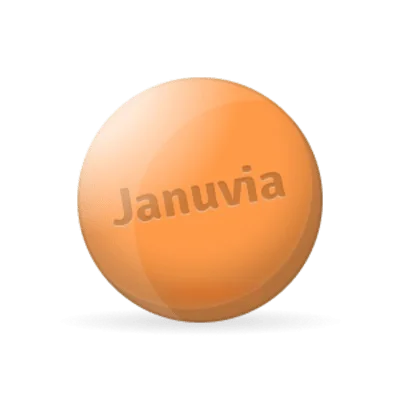
I used Januvia as part of my daily diabetes routine for several months. My morning readings became more consistent, and I felt satisfied that the tablet fitted easily around work and meals. I did not notice any disruptive effects.
Januvia
Sitagliptin, the active ingredient of Januvia, is an oral DPP-4 inhibitor for adults with type 2 diabetes. It supports blood sugar and HbA1c control alongside diet and physical activity. Januvia is taken as a tablet, with the regimen selected according to glucose results, kidney function, and other medicines.
Description
Januvia contains sitagliptin, a prescription oral antidiabetic medicine in the DPP-4 inhibitor class. It is intended for type 2 diabetes mellitus, where the body does not regulate blood glucose adequately through insulin production and insulin response.
Composition
Januvia contains sitagliptin, a prescription oral antidiabetic medicine in the DPP-4 inhibitor class. It is intended for type 2 diabetes mellitus, where the body does not regulate blood glucose adequately through insulin production and insulin response.
Active Ingredient and Drug Class
Sitagliptin blocks the enzyme dipeptidyl peptidase-4, usually shortened to DPP-4. This preserves the activity of two gut hormones, GLP-1 and GIP, for longer after meals. The result is increased insulin release when blood glucose is elevated and reduced glucagon signalling when less glucose needs to be released by the liver [1].
Januvia is taken by mouth as a tablet. DPP-4 inhibitors are not interchangeable with other diabetes medicines because each class has different effects, cautions, interactions, and dose adjustments.
Approved Treatment Role
Januvia is indicated for adults with type 2 diabetes mellitus. It may be prescribed alone or alongside other glucose-lowering treatment when diet and exercise do not provide sufficient blood sugar control. It is not used to treat type 1 diabetes or diabetic ketoacidosis.
Treatment selection depends on HbA1c, daily glucose readings, kidney function, cardiovascular and pancreatic history, and the other medicines being used.
Dosage and usage
Januvia is generally taken once daily, with the exact strength and regimen confirmed by a healthcare professional before treatment begins. Kidney function can alter sitagliptin clearance, so moderate or severe renal impairment may require a lower prescribed dose [3].
- Take the tablet at the prescribed time each day.
- It can generally be taken with or without food when prescribed in this way.
- Follow the exact strength selected for your kidney function and diabetes plan.
- If a dose is missed, take it when remembered unless the next dose is close.
- Never take two doses together to compensate for a missed tablet.
- Do not change the daily regimen because one glucose reading is higher or lower than usual.
Kidney Function and Dose Adjustment
Kidney disease can reduce the removal of sitagliptin from the body. A prescription that is suitable with normal renal function may require adjustment when kidney function declines.
This is relevant to older adults, people with chronic kidney disease, and anyone whose kidney results have changed since the last diabetes review. Do not use a previous prescription as a guide after a change in renal function.
How it works
Sitagliptin inhibits DPP-4, an enzyme that breaks down the incretin hormones GLP-1 and GIP. When these hormones remain active for longer, the pancreas releases more insulin in response to elevated glucose, while glucagon release is reduced.
That glucose-dependent action helps explain why Januvia generally has a lower hypoglycemia risk when used alone than medicines that stimulate insulin release regardless of the current glucose level. The risk changes when Januvia is combined with insulin or a sulfonylurea.
Incretin Hormone Activity
GLP-1 and GIP act as internal signals linking food intake with insulin production. Sitagliptin does not replace injectable GLP-1 medicines. It slows the breakdown of the body’s own incretin hormones.
This mechanism helps regulate glucose after meals and between meals. It does not remove the need for carbohydrate awareness, regular activity, or treatment monitoring.
Both can help a clinician judge whether the treatment plan is meeting its intended target [2].
Indications
Januvia may be used as monotherapy or combined with another glucose-lowering medicine. The choice depends on the person’s glucose pattern, kidney function, treatment tolerance, and other health conditions.
Monotherapy and Lifestyle Measures
When Januvia is used alone, the aim is to improve glucose regulation without adding a medicine that commonly causes weight gain. Its glucose-dependent mechanism is one reason hypoglycemia is less frequent with monotherapy than with insulin secretagogues.
Regular meals, sensible carbohydrate portions, and planned physical activity remain part of type 2 diabetes care. Skipping meals can still be problematic, especially when Januvia is used with another medicine that can lower glucose independently of food intake.
Januvia may not provide enough glucose reduction for every person. A response that is satisfactory for one patient may be insufficient for another, so treatment decisions rely on measured trends rather than symptoms alone.
Patient Assessment Before Treatment
A clinician normally reviews the diabetes diagnosis, HbA1c, kidney function, current medicines, previous reactions, and history of pancreatitis or severe allergies. Older adults and people with chronic kidney disease may need closer review because sitagliptin is cleared largely through the kidneys.
The medicine is intended for type 2 diabetes mellitus. It is not an appropriate treatment for diabetic ketoacidosis, which requires urgent medical management.
Comparison
Januvia is an oral DPP-4 inhibitor that supports glucose-dependent insulin regulation, unlike insulin secretagogues, which stimulate insulin release more directly and may cause hypoglycemia more often when used alone.
Contraindications
Januvia is not suitable for everyone.
A history of pancreatitis requires careful clinical consideration. It does not mean every person will develop pancreatitis, but persistent severe abdominal pain should not be ignored.
Medicines that can increase concern include insulin and sulfonylureas because they raise hypoglycemia risk when combined with Januvia. Other medicines may affect kidney function or alter the treatment plan. Alcohol can also complicate glucose control by changing eating patterns and increasing the risk of delayed hypoglycemia in some treatment combinations.
When this is not for you
This medication is not for you if:
- You have a known serious allergy to sitagliptin or an ingredient in the tablet.
- You need treatment for type 1 diabetes or diabetic ketoacidosis.
- You have previously experienced a serious hypersensitivity reaction linked to sitagliptin.
- You have severe or unexplained abdominal pain that requires urgent assessment.
- Your kidney function has changed and the prescribed regimen has not been reassessed.
- You are already taking another sitagliptin-containing medicine.
Side effects
Januvia is often tolerated without major problems, but adverse effects can occur. Reported reactions include upper-respiratory symptoms, headache, nausea, abdominal discomfort, and diarrhoea. A symptom is not automatically caused by Januvia, especially when several medicines were started or changed at the same time.
Common Adverse Effects
Mild symptoms may settle, but persistent or worsening problems should be recorded with their timing and discussed during a treatment review. A simple note showing when the tablet was taken, when symptoms appeared, and what food or medicines were involved can make assessment easier.
Hypoglycemia Risk
The risk of hypoglycemia is generally low when Januvia is used alone. It is not zero, and it rises when sitagliptin is combined with insulin or a sulfonylurea.
Sweating, tremor, hunger, rapid heartbeat, weakness, confusion, and unusual behaviour can indicate low blood glucose. Use the action plan provided for the diabetes regimen. Severe confusion, loss of consciousness, or inability to swallow requires emergency help.
Serious Warnings and Urgent Symptoms
Seek urgent medical assessment for severe, persistent abdominal pain that may spread to the back, with or without vomiting. This can be associated with pancreatitis, a rare but serious reaction reported with sitagliptin.
Rapid swelling of the face, lips, tongue, or throat, breathing difficulty, widespread blistering, peeling skin, or severe mucosal sores require immediate care. Severe joint pain that begins after treatment and does not settle should also be reported promptly. The FDA prescribing information identifies pancreatitis, serious hypersensitivity reactions, severe skin reactions, and disabling arthralgia among important safety concerns [4].

Common mistakes
The most frequent problems are practical rather than pharmacological:
- Taking two tablets after forgetting one.
- Continuing an old regimen after kidney function changes.
- Stopping treatment when a home glucose result improves.
- Assuming low hypoglycemia risk means low risk with insulin or a sulfonylurea.
- Ignoring repeated sweating, shaking, or confusion.
- Missing HbA1c testing because daily readings appear acceptable.
- Treating severe abdominal pain as ordinary indigestion.
- Changing diet or exercise sharply without considering glucose-lowering treatment.
- Failing to mention non-prescription medicines or supplements during a review.
One detail patients often miss: the strength of Januvia matters when kidney function changes. The correct dose is not simply the dose that was used previously.
What doctors say
In clinical practice, doctors usually judge Januvia by its effect on HbA1c and daily glucose patterns rather than by how the patient feels after one tablet. Type 2 diabetes can remain symptom-free while glucose exposure is high, so the absence of symptoms does not prove that treatment is unnecessary.
A physician will also look at the treatment context. Januvia can be useful when a once-daily oral option with a generally low hypoglycemia risk is appropriate, yet it may not lower glucose enough for every patient. Combination therapy may be needed, and adding insulin or a sulfonylurea changes the low-glucose risk.
Renal review is a practical issue that can be missed. A prescription selected when kidney function was stable may need reassessment after dehydration, acute illness, or a later decline in renal function. The WHO diabetes guidance published in 2023 and the American Diabetes Association Standards of Care support structured glucose monitoring and individualised management rather than relying on one medicine in isolation.
Frequently asked questions
Is Januvia suitable for older adults?
Older adults can use Januvia when the prescribed regimen matches their kidney function and wider diabetes plan. The EMA product information available in 2024 emphasises renal assessment because sitagliptin clearance can decline with reduced kidney function. Age alone does not determine suitability, but older adults may have several medicines and a higher chance of chronic kidney disease. New confusion, falls, poor appetite, or suspected low glucose should prompt a treatment review.
Can alcohol be used while taking Januvia?
Alcohol can make blood glucose less predictable and may increase concern when Januvia is combined with insulin or a sulfonylurea. WHO diabetes information from 2023 supports limiting factors that interfere with glucose management and regular eating patterns. Avoid drinking on an empty stomach, and follow the glucose plan provided for your combination of medicines. Recurrent low readings, vomiting, or confusion after alcohol requires prompt medical assessment.
What happens if Januvia is stopped, and does it need tapering?
Januvia is not usually tapered in the way some medicines require gradual reduction, but stopping it can allow blood glucose and HbA1c to rise again. NICE guidance for type 2 diabetes, updated in 2024, supports planned treatment changes with glucose monitoring rather than unplanned discontinuation. Do not stop it simply because a reading improves or because symptoms are absent. A replacement or dose change may be needed to maintain control.
Can Januvia affect driving, concentration, or machinery work?
Januvia alone usually has little direct effect on alertness, but hypoglycemia can impair concentration, reaction time, and safe machinery operation. The EMA’s 2024 product information advises caution when Januvia is used with medicines that increase low-glucose risk. Check for sweating, shaking, dizziness, blurred vision, or confusion before driving or operating machinery. Do not drive while experiencing suspected hypoglycemia or symptoms that impair attention.
Do you offer anonymous delivery?
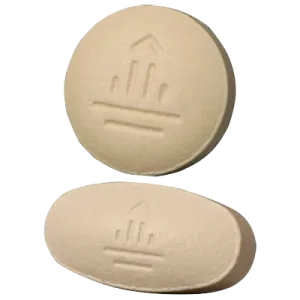
Your order will be securely packed and shipped within 24 hours. This is exactly what your package will look like (images of an actual item sent). It has the size and look of a regular private letter (24x11x0.7 cm) and its contents cannot be seen.
Comparison
Januvia: Reviews and Experiences
After taking Januvia regularly for about eight weeks, my readings after meals were less erratic than before. The once-daily tablet was easy to remember, even on days when I had appointments outside the house. It became a straightforward part of my routine.
Januvia helped me keep better control alongside changes to my meals and walking schedule. I noticed the improvement gradually rather than overnight, but the readings were more stable after several weeks. I was pleased with the result.
Januvia helped some, but my readings were still higher than expected during the first month. I also had occasional stomach discomfort, so I stopped making changes on my own and discussed the pattern during a review. The result was useful, but it was not the complete answer for me.
Sources
- U.S. Food and Drug Administration (2023). JANUVIA (sitagliptin) tablets, for oral use — Prescribing Information.
- European Medicines Agency (2024). Januvia — Product Information.
- European Medicines Agency (2024). Januvia — Summary of Product Characteristics.
- U.S. Food and Drug Administration (2023). JANUVIA — Warnings and Precautions in the Prescribing Information.