
Verified
After several weeks, my glucose readings became steadier, and I did not have the stomach upset I had experienced with another tablet. I gained weight and needed a review because my ankles started swelling.
23 Oct 2026

Actos is a prescription tablet containing pioglitazone, a thiazolidinedione antidiabetic medicine. It is intended for adults with type 2 diabetes. By improving insulin sensitivity, it helps lower blood glucose and A1C.
Actos is an oral prescription medicine containing pioglitazone for adults with type 2 diabetes. It improves the body’s response to insulin, helping lower blood glucose and A1C. Fluid retention and heart-failure risk require careful patient selection and monitoring.
Actos contains pioglitazone, an oral antidiabetic agent in the thiazolidinedione class, also called TZDs. It is used for type 2 diabetes when improving insulin sensitivity is part of the treatment plan. Pioglitazone may be prescribed alone or alongside other glucose-lowering treatments when a single approach does not provide adequate control.
Pioglitazone is the generic active ingredient associated with Actos. The tablet acts on insulin-sensitive tissues rather than supplying insulin directly. Its effect develops gradually because it changes gene activity involved in glucose and fat metabolism. The FDA prescribing information describes pioglitazone as a PPAR-gamma agonist used to improve glycaemic control in adults with type 2 diabetes [1].
Actos does not treat type 1 diabetes or diabetic ketoacidosis. It also does not replace insulin during an acute metabolic emergency.
Actos tablets are taken by mouth according to the prescribed regimen. The dose is selected from the person’s glucose readings, A1C, liver status, other diabetes medicines, and risk of fluid retention.
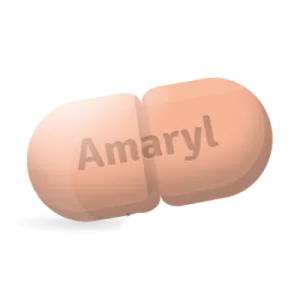
The tablet should be swallowed rather than altered unless the prescriber has given different instructions. Combining Actos with insulin, a sulfonylurea such as glipizide or Amaryl, or another glucose-lowering medicine can change the risk of hypoglycaemia and fluid retention.
A prescription clinician may review liver tests before treatment and during therapy when symptoms or clinical circumstances make testing appropriate. People with heart disease may need closer follow-up after initiation or dose adjustment.
Pioglitazone activates peroxisome proliferator-activated receptor gamma, usually shortened to PPAR-gamma. This receptor influences how fat cells, muscle cells, and liver tissue respond to insulin. The result is improved insulin sensitivity in peripheral tissues and reduced insulin resistance.
Muscle cells can take up glucose more readily when insulin signalling improves. The liver may release less glucose into the bloodstream. Pioglitazone does not force the pancreas to release insulin in the same way as a sulfonylurea, so hypoglycaemia risk is lower when it is used alone, although the risk rises when it is combined with insulin or insulin-releasing medicines.
The glucose-lowering effect is gradual. A1C changes may take several weeks to become clear because A1C reflects average glucose exposure over roughly two to three months. The American Diabetes Association places insulin-sensitising treatment within a wider framework that also considers cardiovascular disease, kidney disease, weight, hypoglycaemia risk, and patient preferences [2].
The mechanism creates a trade-off. Better insulin sensitivity can help glucose control, but PPAR-gamma activation can also promote sodium retention, weight gain, and fluid accumulation. Those effects explain why Actos is unsuitable for some people with heart failure.
It is used for type 2 diabetes when improving insulin sensitivity is part of the treatment plan. Pioglitazone may be prescribed alone or alongside other glucose-lowering treatments when a single approach does not provide adequate control.
Actos is one option within type 2 diabetes treatment. The preferred regimen depends on A1C, kidney function, cardiovascular disease, heart-failure status, weight goals, hypoglycaemia risk, and tolerability.
| Treatment approach | Main pharmacological role | Monitoring focus |
|---|---|---|
| Actos | Improves insulin sensitivity through PPAR-gamma activation | Weight, oedema, heart failure, liver symptoms, fractures |
| Metformin | Reduces hepatic glucose production and improves insulin sensitivity | Gastrointestinal tolerance, kidney function, vitamin B12 over time |
| SGLT2 inhibitor such as Jardiance | Increases urinary glucose excretion | Kidney function, hydration, genital infections, ketoacidosis risk |
| DPP-4 inhibitor such as Januvia | Enhances glucose-dependent incretin activity | Kidney-based dosing, joint symptoms, pancreatitis symptoms |
| Basal insulin such as Lantus | Replaces or supplements insulin activity | Hypoglycaemia, injection technique, glucose patterns |
Sulfonylureas, including Amaryl and glipizide, can lower glucose efficiently but may cause hypoglycaemia and weight gain. GLP-1 receptor agonists such as Ozempic act through incretin pathways and may support weight reduction, though gastrointestinal effects and treatment suitability vary. Insulin may be needed when endogenous insulin production is insufficient or glucose levels are markedly elevated.
Avandia is another thiazolidinedione, so it shares the insulin-sensitising concept of the TZD class. Actos is not interchangeable with Avandia or with any other diabetes medicine. Each agent has its own cardiovascular, kidney, weight, and hypoglycaemia considerations.
A combination involving Actos can be useful for selected patients, yet adding medicines also adds monitoring requirements. The American Diabetes Association recommends treatment choices that reflect comorbidities rather than focusing on A1C alone.
Insulin and sulfonylureas can increase hypoglycaemia when used with Actos. The clinician may need to reduce the dose of the accompanying medicine rather than increasing Actos. Strong CYP2C8 inhibitors, such as gemfibrozil, can increase pioglitazone exposure; rifampicin can reduce exposure by increasing drug metabolism.
Actos may not be right for you if you have heart failure, active bladder cancer, unexplained blood in the urine, serious liver problems, a high risk of fractures, or significant swelling. You should also seek medical advice before using it if you are pregnant or breastfeeding, or if you take insulin or a sulfonylurea. New breathlessness, rapid weight gain, swelling, urinary bleeding, vision changes, or a fracture should be discussed promptly with a clinician.
Clinical studies and prescribing information describe several commonly reported reactions. These may include upper respiratory tract infection, headache, muscle pain, sore throat, and mild weight gain. Some people have no noticeable adverse effects, while others find fluid retention or increased appetite more troublesome than the glucose benefit.
Common reactions can include:
Headache or muscle discomfort may settle as the body adjusts, but persistent or severe symptoms deserve review. A respiratory infection should not automatically be blamed on Actos; fever, cough, and breathing difficulty may need assessment for other causes.
Hypoglycaemia is more likely when Actos is combined with insulin, glipizide, Amaryl, or another medicine that increases insulin availability. Symptoms can include sweating, trembling, palpitations, confusion, hunger, and weakness.
Fluid retention is the central long-term tolerability issue. Oedema may appear in the ankles or lower legs and can progress to heart-failure symptoms. Weight gain may reflect increased fat stores, retained fluid, or both, so the pattern and speed of change matter.
Pioglitazone is associated with an increased risk of bone fractures, with a stronger signal reported in women in clinical studies. Fractures have involved the distal limbs, such as the wrist, hand, foot, or ankle. People with osteoporosis or previous fragility fractures need an individual assessment before treatment.
Liver injury is uncommon, but symptoms such as dark urine, yellowing of the skin, persistent nausea, unusual abdominal discomfort, or marked fatigue should prompt testing. Clinicians may measure liver enzymes when clinically indicated. Existing liver disease can affect whether pioglitazone is suitable.
Diabetic macular oedema has been reported during treatment with thiazolidinediones. Blurred central vision, distorted lines, new difficulty reading, or changes in colour perception require an eye assessment. This is separate from the ordinary fluctuations in vision that can occur when blood glucose changes quickly.
Pioglitazone may also affect ovulation in some people with insulin resistance and irregular ovulation. Pregnancy should be discussed before treatment, especially when pregnancy is possible or planned.
Several avoidable errors can make Actos appear ineffective or increase harm:
One subtle mistake is judging success only by fasting glucose. Pioglitazone may influence daytime and post-meal insulin sensitivity, while A1C gives a broader picture of treatment response.
In clinical practice, physicians tend to judge Actos by trends rather than immediate sensations. A patient may feel no different while A1C gradually improves, because insulin resistance often produces few direct symptoms. Follow-up also considers weight and fluid status. Clinicians review symptoms alongside glucose results. Treatment goals can change as other health conditions develop.
Doctors also look beyond glucose. Weight trajectory, ankle swelling, breathlessness, liver symptoms, urinary symptoms, vision changes, and fracture history can change the risk-benefit assessment. A treatment that lowers A1C but causes progressive oedema may need to be stopped or replaced.
A practical prescribing conversation usually covers three points:
The strongest candidates are generally those who need improved insulin sensitivity and do not have significant fluid-retention or heart-failure risk. The poorest candidates are people with active heart failure, active bladder cancer, or severe unexplained oedema. NOT for you if you have any of these conditions without specialist assessment.
Actos is used to improve glycaemic control in adults with type 2 diabetes. Pioglitazone increases insulin sensitivity rather than acting as replacement insulin. The FDA prescribing information available in 2023 describes its role as an adjunct to diet and exercise, either alone or with other glucose-lowering treatment.
The glucose-lowering effect develops gradually rather than within a few hours. A1C assessment usually needs several weeks to show a meaningful treatment trend because A1C reflects longer-term glucose exposure. Guidance from the American Diabetes Association in 2025 supports reviewing treatment according to glucose response, adverse effects, and relevant comorbidities.
Actos can cause or worsen congestive heart failure through fluid retention. The 2023 FDA boxed warning requires clinicians to avoid initiation in symptomatic heart failure and contraindicates use in established NYHA class III or IV heart failure. New breathlessness, rapid weight gain, or swelling should receive prompt assessment.
Pioglitazone has been studied for a possible association with bladder cancer, and the concern remains part of prescribing decisions. The European Medicines Agency (EMA) safety information from 2018 has advised caution in people with active bladder cancer or a previous history requiring individual review. Blood in the urine, painful urination, or persistent urinary urgency should be medically assessed.
Actos may be combined with metformin or insulin when a clinician considers the combination appropriate. Insulin and sulfonylureas can increase hypoglycaemia risk, while insulin combined with Actos can also intensify fluid retention concerns. The American Diabetes Association treatment standards published in 2025 emphasise adjustment according to cardiovascular risk, kidney function, weight, and glucose response.
Weight gain is a recognised effect of pioglitazone and may result from fat storage, fluid retention, or both. Rapid gain with ankle swelling or breathlessness is more concerning than a gradual change without other symptoms. The FDA label from 2023 links pioglitazone with fluid retention and recommends monitoring for heart-failure symptoms.
A missed dose should not be doubled. If the next scheduled dose is close, the missed tablet is usually skipped and the regular schedule resumed. The NHS diabetes information framework used in 2024 supports avoiding self-directed dose changes when a diabetes medicine is missed, because the correct response can depend on the accompanying regimen and glucose readings.
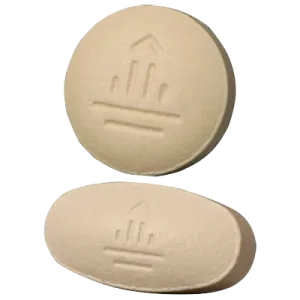
Your order will be securely packed and shipped within 24 hours. This is exactly what your package will look like (images of an actual item sent). It has the size and look of a regular private letter (24x11x0.7 cm) and its contents cannot be seen.



After several weeks, my glucose readings became steadier, and I did not have the stomach upset I had experienced with another tablet. I gained weight and needed a review because my ankles started swelling.
Actos was added to my existing diabetes treatment. My A1C improved over the following months, but I had to learn the warning signs of low glucose because my other medicine was adjusted.
I noticed no immediate change during the first week. By the next review, my readings were better, although increased appetite made weight control harder.
The tablets were easy to take, but new breathlessness appeared during treatment. The medicine was reviewed promptly, and fluid retention became the main concern.